

Height
23 – 28 cm
Adult Weight
3.5 – 7 kg
Life Span
12 – 15 years
Origin
United States
Personality and Temperament
Exotic Shorthairs are affectionate, calm, and gentle cats, often described as “lap cats” due to their love for being close to their human companions. They tend to be quite social, getting along well with other pets and children, and they’re not overly demanding of attention, making them great companions for families or individuals.
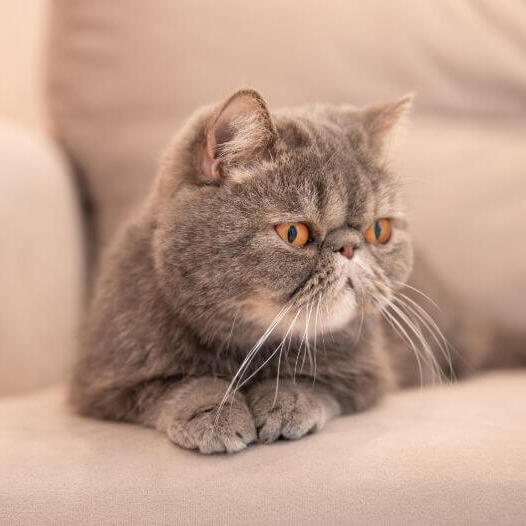
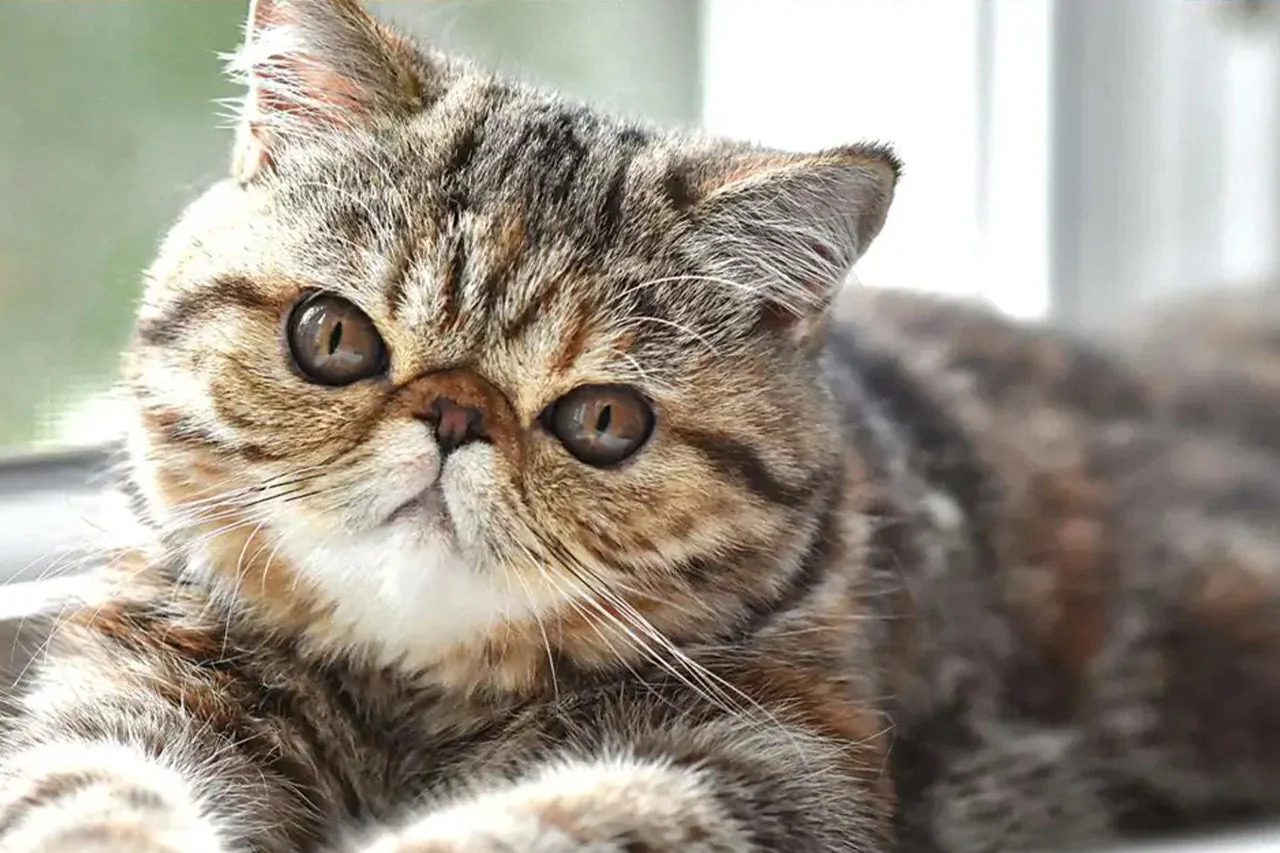
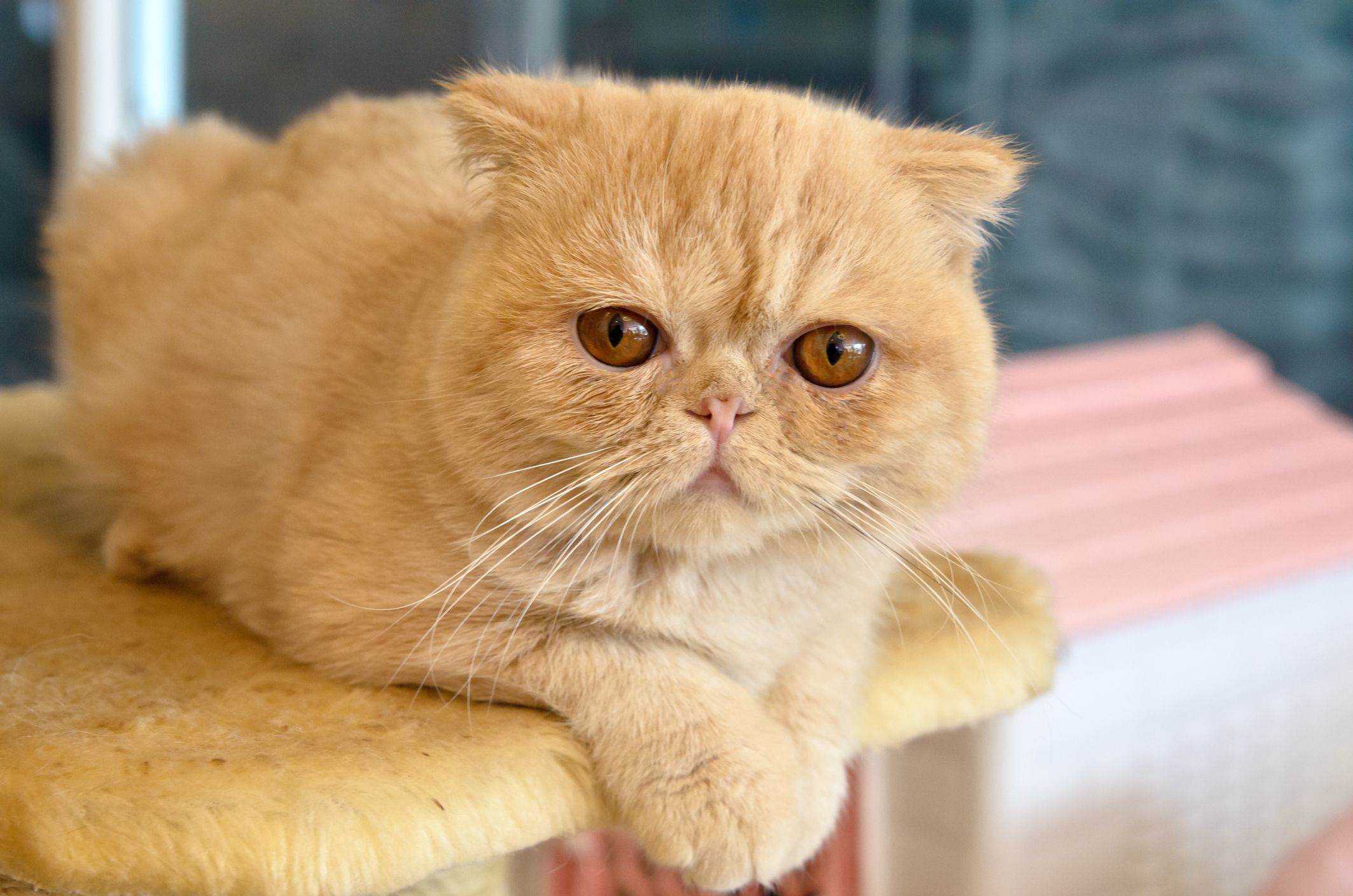
Their short, plush coat is one of their most distinctive features, as well as their round, flat face and large, expressive eyes. Despite their sometimes serious appearance, Exotic Shorthairs are sweet and playful, enjoying interactive play sessions with their owners.
They are very adaptable cats, comfortable in both quiet homes and active households, making them ideal for a wide range of living situations.
Care
Nutrition
Exotic Shorthairs require a balanced diet rich in high-quality protein to maintain their muscular build and thick coat. A combination of wet and dry food is ideal for their health. Be mindful of their weight, as their calm nature may lead to inactivity and potential weight gain. Regular portion control and healthy snacks will help keep them in top shape.
Grooming
One of the main advantages of owning an Exotic Shorthair over a Persian is the shorter, more manageable coat. Still, their plush fur needs regular maintenance to stay healthy and soft. Brushing once or twice a week will help remove loose hairs and prevent matting. Additionally, regular nail trimming, teeth cleaning, and ear checks should be part of their grooming routine.
Exercise
While Exotic Shorthairs are generally laid-back and enjoy lounging, they do need regular playtime to stay fit and healthy. Interactive toys, cat trees, and occasional play sessions will keep them mentally and physically engaged. They enjoy spending time with their human companions and are happy to play and socialize, but they’re not as hyperactive as some other breeds.
Health
Exotic Shorthairs are generally healthy cats, but they can be prone to certain conditions, primarily due to their Persian ancestry. These include:
Brachycephalic Syndrome (breathing problems due to their flat faces)
Polycystic Kidney Disease (PKD)
Dental issues (due to their flat face)
Obesity, if not kept active and fed a balanced diet
Regular vet visits, maintaining a healthy weight, and keeping up with grooming are important to ensure the health and longevity of your Exotic Shorthair.
History
The Exotic Shorthair was first bred in the United States during the mid-20th century, created as a result of crossbreeding between Persian cats and American Shorthairs. Persian cats were bred for their round faces and luxurious coats, while American Shorthairs contributed the shorter, easier-to-care-for fur.
The breed became recognized by cat fanciers in the 1960s, and its popularity grew quickly thanks to its appealing, Persian-like appearance combined with its lower grooming needs. Today, Exotic Shorthairs are known for their striking looks and sweet temperament.