

Height
20 x 25 cm
Adult Weight
2-4 kg
Life Span
14-17+ years
Origin
Abyssinia (Ethiopia)
Personality and Temperament
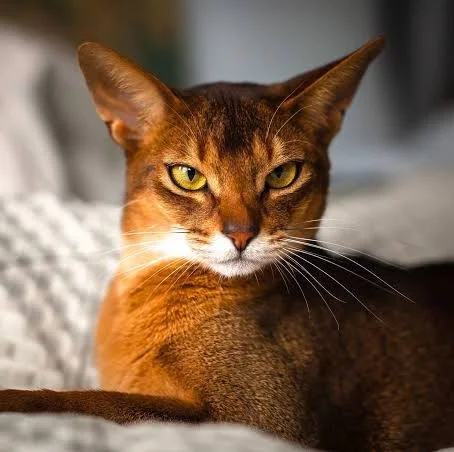
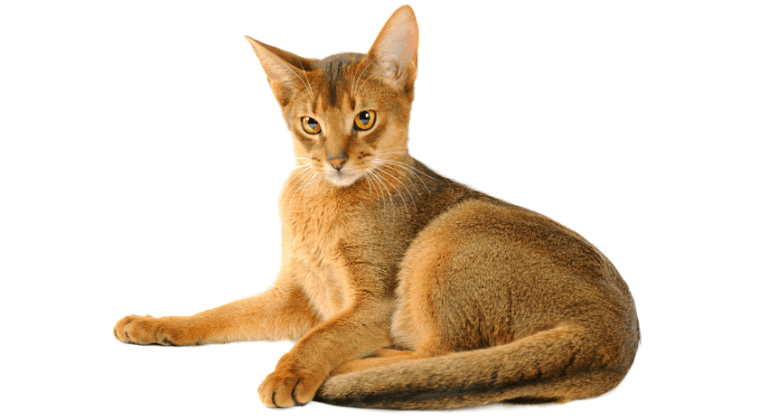
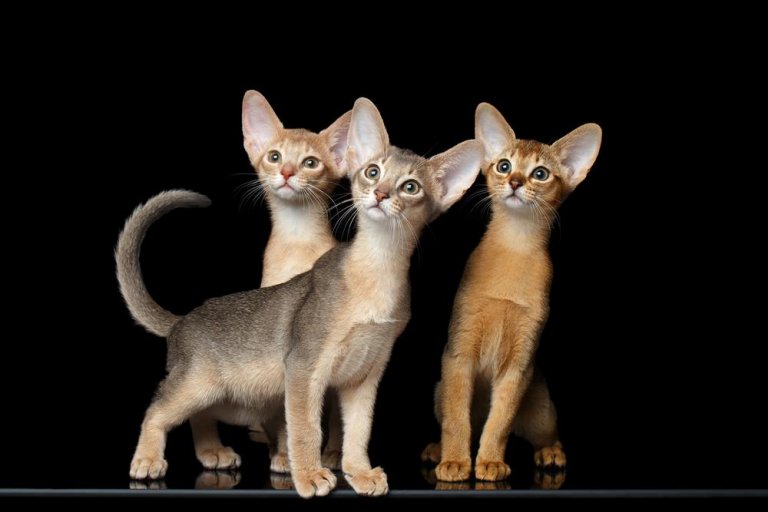
With its sleek, graceful build, the Abyssinian cat closely mirrors the elegant figures seen in ancient Egyptian artwork. Its distinct ticked coat, available in various striking hues, along with large, captivating eyes, gives the breed an air of intrigue and mystique.
Known for being lively and outgoing, Abyssinians love to be the center of attention and tend to form strong connections with their family. However, beneath their energetic exterior lies a more reserved side, as they are often quick to retreat and hide when unfamiliar faces appear.
Care
Nutration:
Like all cats, Abyssinians thrive on a nutritious diet rich in protein, amino acids, vitamins, and minerals. While all cats benefit from food that’s high in moisture, Abyssinians have a greater need for hydration than most. Offering them high-quality wet food is an excellent way to ensure they get the extra moisture they require for optimal health.
Grooming:
The Abyssinian cat has a short coat, so grooming is relatively low-maintenance. A soft brush or grooming glove once or twice a week is usually enough to remove loose fur and keep your Abyssinian looking and feeling great. Most Abyssinians aren’t particularly fond of being held or restrained, so it’s a good idea to introduce nail trimming early on using gentle, positive techniques. You can ask your vet for advice or have them—or a professional groomer—take care of your cat’s nails if needed.
Exercise:
Abyssinian cats are naturally energetic and, fortunately, not typically prone to obesity. Provide them with a tall cat tree—ideally one that reaches the ceiling—and plenty of interactive toys to keep them engaged. These agile, playful cats will keep you entertained with their athletic antics while staying in great shape. And if you’ve ever dreamed of playing fetch with a cat, an Abyssinian just might make that dream come true.
Health:
Abyssinian cats are generally healthy, but they can be sensitive to stress and anxiety, especially in new or unfamiliar situations. In addition, there are a few hereditary health concerns that can affect Abyssinians. These include pyruvate kinase deficiency (a form of anemia), progressive retinal atrophy (a degenerative eye condition), patellar luxation, and renal amyloidosis (a kidney disease). On the bright side, Abyssinians tend to have long lifespans, often living 14 to 17 years or more, with some reaching into their 20s.
History
Abyssinians are among the oldest known cat breeds. Recent genetic studies suggest that they originated in Southeast Asia, likely along the coast of the Indian Ocean. This breed retains many traits reminiscent of Felis lybica, the wildcat ancestor that contributed to the DNA of all domestic cats today.
The modern Abyssinian differs slightly from its ancient counterpart. Much of today’s Abyssinian lines were developed by crossing with Russian Blues, Burmese, and Siamese cats.
Abyssinian cats were officially recognized by the Governing Council of the Cat Fancy in England in 1929, and the first litter of Abyssinians in the U.S. was born in 1935. The breed is now recognized by both the Cat Fanciers’ Association and The International Cat Association.