

Height
20 – 25 cm
Adult Weight
3.6 – 6.8 kg
Life Span
12 – 16 years
Origin
United States
Personality and Temperament
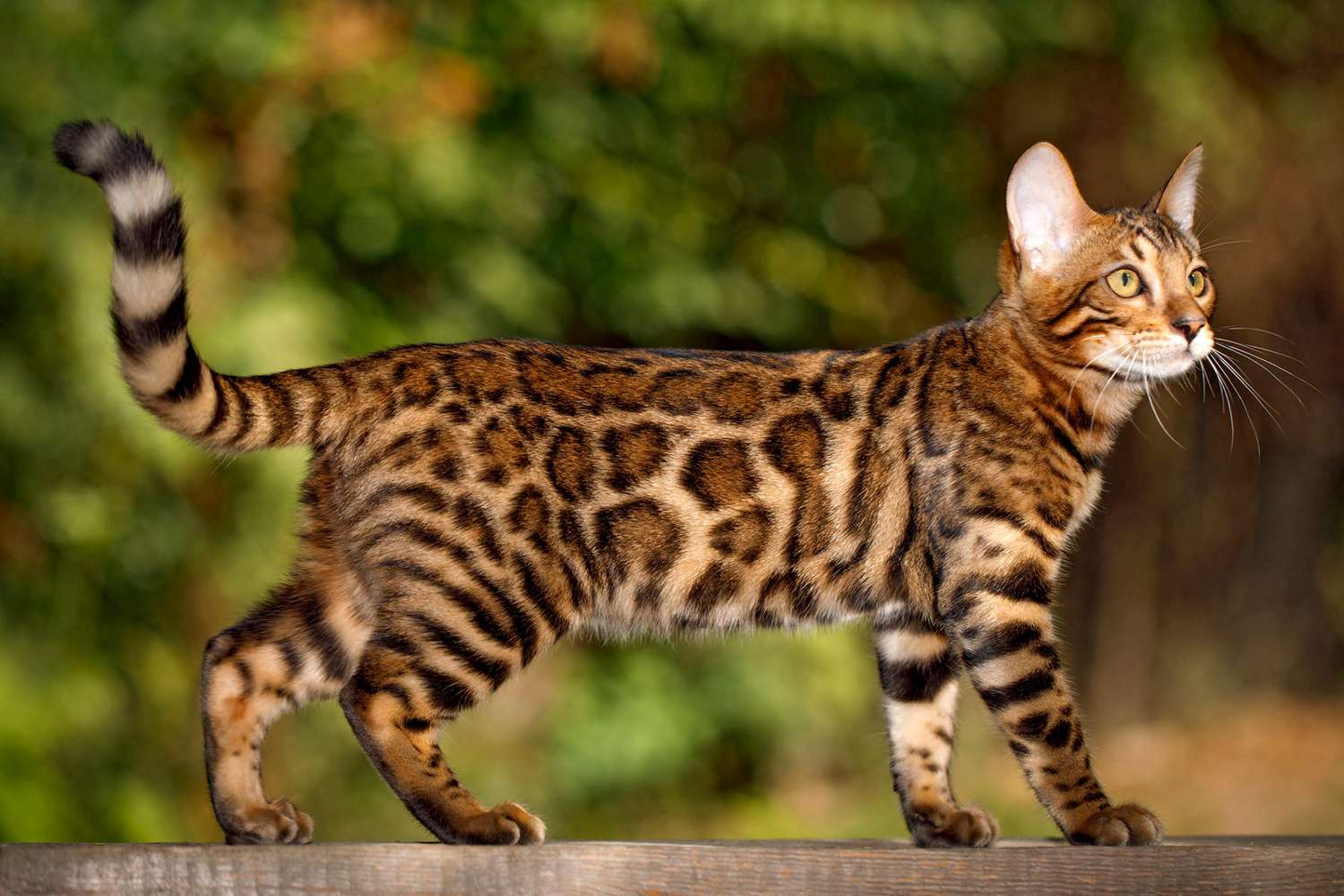
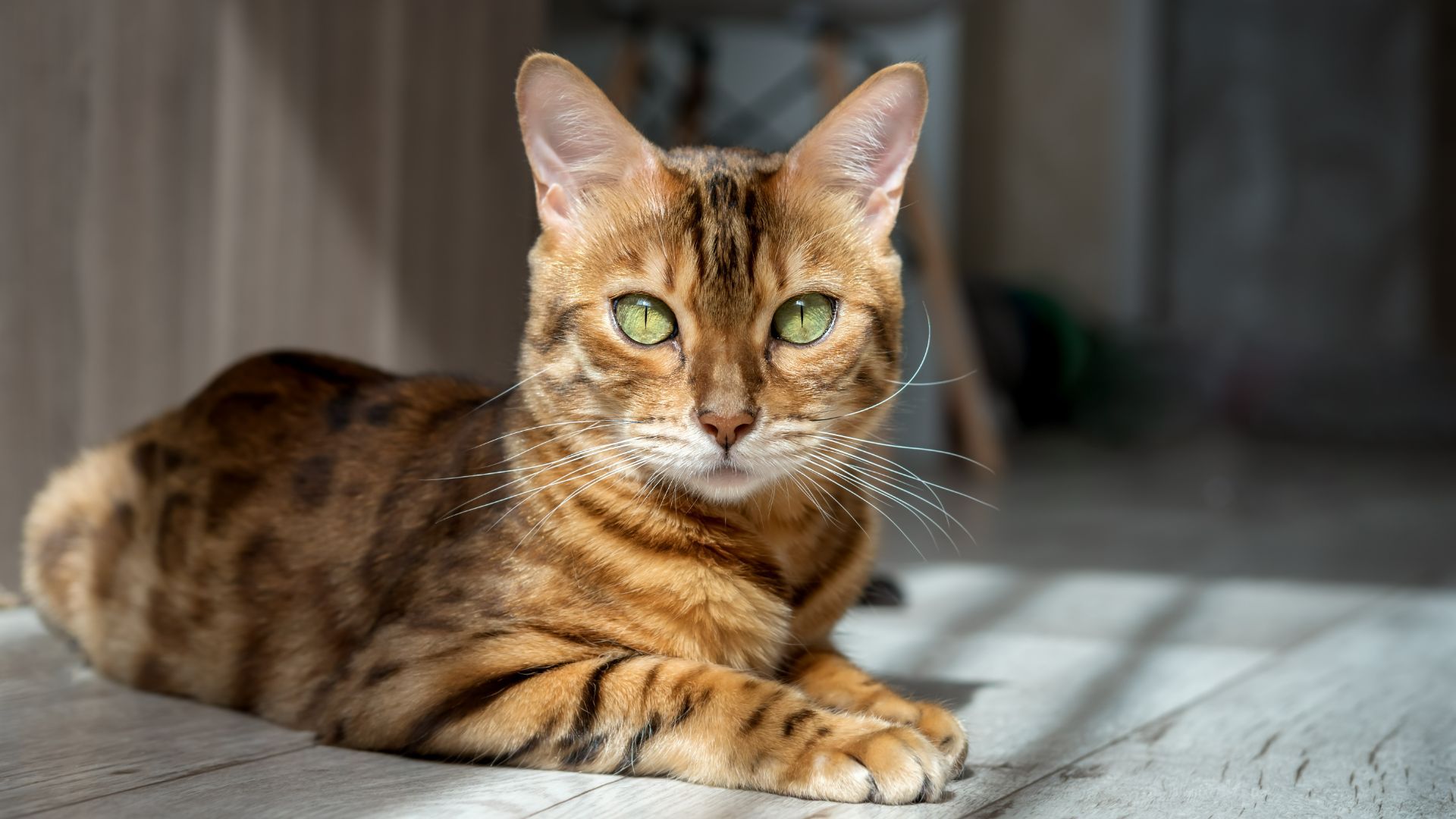
With its striking, exotic appearance, the Bengal cat was originally developed by crossing the Asian leopard cat with domestic breeds. Over time, breeds like the Egyptian Mau, Ocicat, Abyssinian, Burmese, American Shorthair, and domestic shorthair were used to help shape the Bengal’s look and personality. Today’s Bengals are bred from purebred Bengal parents, combining wild beauty with a loving, domestic temperament.
Bengals are known for their playful energy and strong bond with their human families. Unlike some other wildcat hybrids, they’re generally affectionate and social, enjoying both interaction and companionship. While they may enjoy a cuddle from time to time, don’t expect a lap cat — Bengals are full of energy and always on the move.
Their love of climbing and exploration reflects their jungle ancestry. Bengals are naturally curious and thrive in environments where they can stay active, mentally stimulated, and involved in daily life. High spaces, interactive toys, and plenty of playtime are all essential to keeping a Bengal cat happy and healthy.
Care
Nutrition
Bengal cats, especially those from the first few generations, require a meat-based diet that closely resembles what their wild ancestors would eat. Most commercial dry foods (kibble) are too high in carbohydrates and are not ideal for this breed. Instead, opt for high-quality canned, fresh, or raw food with a high meat content to support their active bodies and overall health.
Grooming
Although Bengal cats are excellent at grooming themselves, they enjoy the attention that comes with regular brushing. Their short, soft coats are easy to maintain, but weekly brushing helps reduce shedding and strengthen your bond. It’s also important to introduce nail trimming and daily tooth brushing from a young age to ensure your Bengal stays healthy and comfortable with grooming routines.
Exercise
Bengals are extremely energetic cats that need significantly more exercise than the average feline. They’re known for zooming through the house, climbing furniture, and rarely sitting still—especially during their kitten and young adult years. Daily interactive play is a must to meet their physical and mental stimulation needs and to protect your home from unwanted scratching or jumping.
Provide a variety of toys like feather wands, laser pointers, and battery-operated gadgets to keep your Bengal entertained. Scratching posts, tall cat trees, and even exercise wheels (similar to those used for hamsters) can help satisfy their natural urge to climb, run, and explore. Many Bengal owners also train their cats to walk on a harness and leash, allowing them to enjoy safe outdoor adventures.
Health
While generally healthy, Bengal cats can be prone to some inherited conditions.
• Progressive Retinal Atrophy (PRA): A genetic eye disorder that can lead to blindness, sometimes developing as early as 12 weeks old.
• Cataracts: May occur later in life and can affect vision.
• Flat-Chested Kitten Syndrome: A developmental condition occasionally seen in kittens, typically managed by responsible breeders with proper care.
• Patellar Luxation: A knee joint issue that can affect movement and cause discomfort, especially in older cats.
• Hypertrophic Cardiomyopathy (HCM): A form of heart disease that causes the heart to enlarge. While breeders can screen for heart murmurs, HCM is hereditary and cannot be completely eliminated from any bloodline.
Regular veterinary checkups, genetic testing (where possible), and responsible breeding practices can help reduce health risks.
History
The Bengal cat breed began in the United States during the 1960s when breeder Jean Mill crossed an Asian leopard cat (Prionailurus bengalensis) with a domestic cat. The goal was to create a breed that had the exotic look of a wild cat but the temperament of a loving household pet.
To stabilize the breed and enhance its domestic qualities, other breeds like the Egyptian Mau, Abyssinian, Ocicat, Burmese, and American Shorthair were introduced in the early generations. Over time, breeders succeeded in producing Bengals that consistently carried the wild appearance—spotted or marbled coats—with a friendly, energetic, and trainable personality.
By the 1980s and 1990s, the Bengal was officially recognized by various cat associations and quickly gained popularity around the world. Today’s Bengal cats are the result of breeding two purebred Bengals, not wild hybrids, making them fully domesticated and suitable for life as family companions.