


Height
90 – 120 cm
Adult Weight
100 – 320 kg
Life Span
10 – 15 years
Origin
Asia, Africa and America
Personality and Temperament
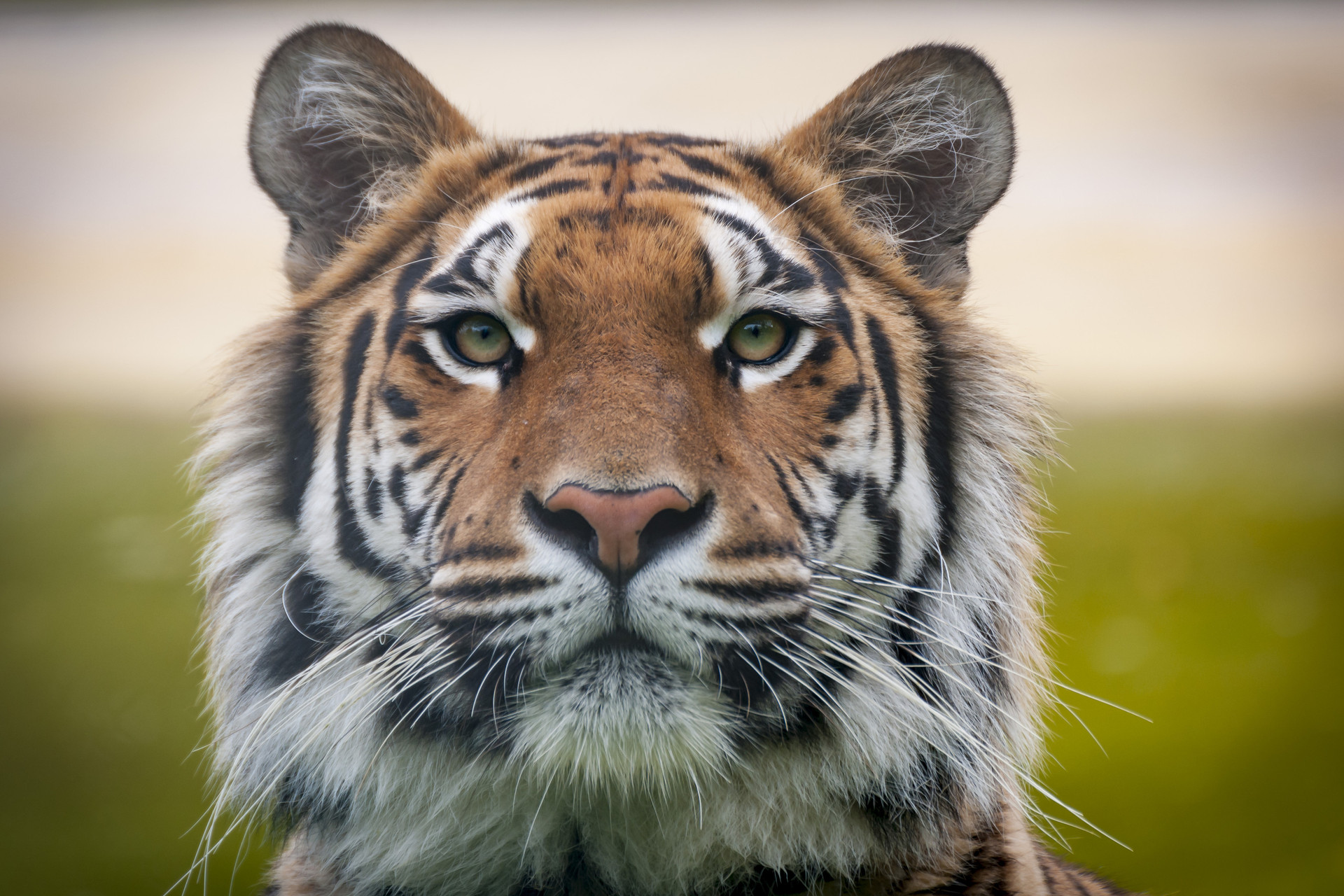
These magnificent animals are truly breathtaking to witness. They share several key features: powerful, muscular builds with heavy bones, large paws equipped with razor-sharp claws, and strong teeth designed for gripping and killing prey during the hunt. Among the big cats—tigers, lions, jaguars, and leopards—are the “roaring cats,” capable of producing deep, resonant roars. Like their smaller feline relatives, big wild cats face serious threats including habitat destruction, illegal hunting, and the fur trade. Human encroachment continues to impact their ability to survive, hunt, and reproduce in the wild.

Care
Nutrition
Tigers are obligate carnivores, meaning they rely entirely on animal flesh to survive. In the wild, they hunt large prey such as deer, wild boar, buffalo, and sometimes even young elephants. They can consume up to 40 kg (88 lbs) of meat in one meal, though they typically eat less.
In captivity, their diet includes raw meat like beef, chicken, rabbit, and specially formulated supplements to ensure proper nutrition. Feeding schedules must mimic natural patterns to keep them healthy and mentally stimulated.
Grooming
Tigers are fastidious groomers, much like domestic cats. They use their rough tongues to clean their coats, remove parasites, and cool off in hot climates. Unlike house cats, however, tigers also rely heavily on water — they love to swim and often bathe in rivers or ponds to keep their body temperature regulated and skin healthy.
In managed care, grooming includes access to clean water, proper enclosures, and veterinary oversight to maintain coat condition and prevent skin issues.
Exercise
Tigers are natural athletes and require large territories in the wild to roam, hunt, and explore. A tiger’s daily activities include stalking prey, climbing, swimming, patrolling territory, and marking boundaries.
In captivity, they need large, enriched enclosures to express their natural behaviors. Logs for scratching, climbing structures, pools for swimming, and toys that encourage stalking or chasing movements are essential. Without sufficient physical and mental stimulation, tigers can develop behavioral issues due to boredom and frustration.
Health
In the wild, tigers are generally robust animals but still face threats like parasites, injuries, and disease. In captivity or conservation programs, they are prone to several health concerns:
Obesity (due to lack of exercise)
Dental disease
Joint and muscle issues
Zoonotic infections
Genetic disorders (particularly in inbred populations, such as white tigers)
Routine health checks, proper diet, and appropriate habitat design are critical in ensuring a healthy life for tigers under human care. Conservation efforts also focus on genetic diversity to prevent hereditary health problems.
History
Tigers (Panthera tigris) are the largest members of the cat family and have roamed parts of Asia for over two million years. Fossil evidence traces their origin back to prehistoric China, with the modern tiger species evolving in Asia and spreading across a wide range—from the Siberian taiga to the tropical forests of Southeast Asia.
Historically, tigers were found across much of Asia and the Middle East, but habitat loss, poaching, and human conflict have drastically reduced their range. Today, wild tigers are found in only a handful of countries, including India, Russia, and parts of Southeast Asia. They are classified as endangered, with several subspecies already extinct.