

Height
28-36 cm (at Shoulder)
Adult Weight
3.6-8.2 kg
Life Span
12-16 years
Origin
United Kingdom
Personality and Temperament
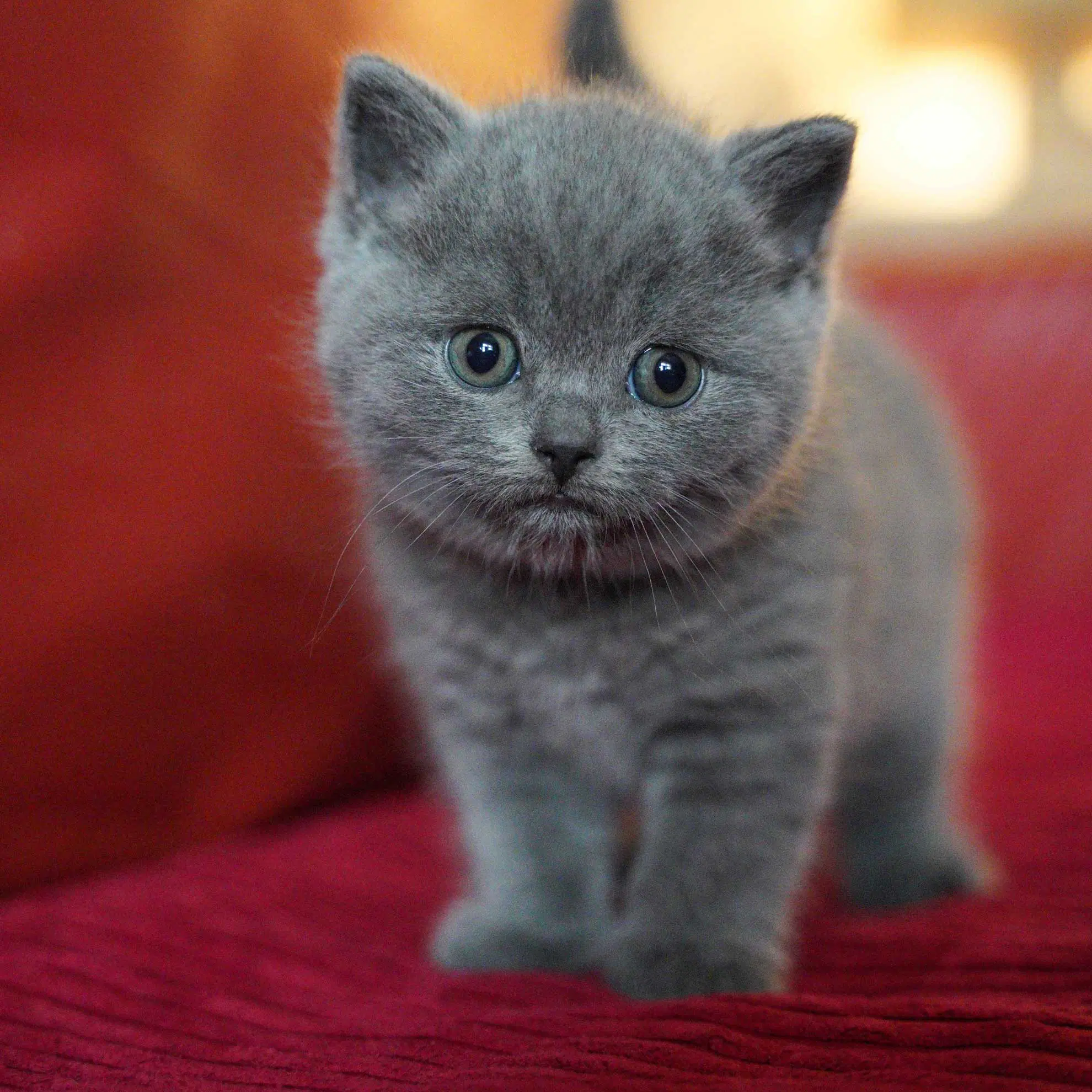
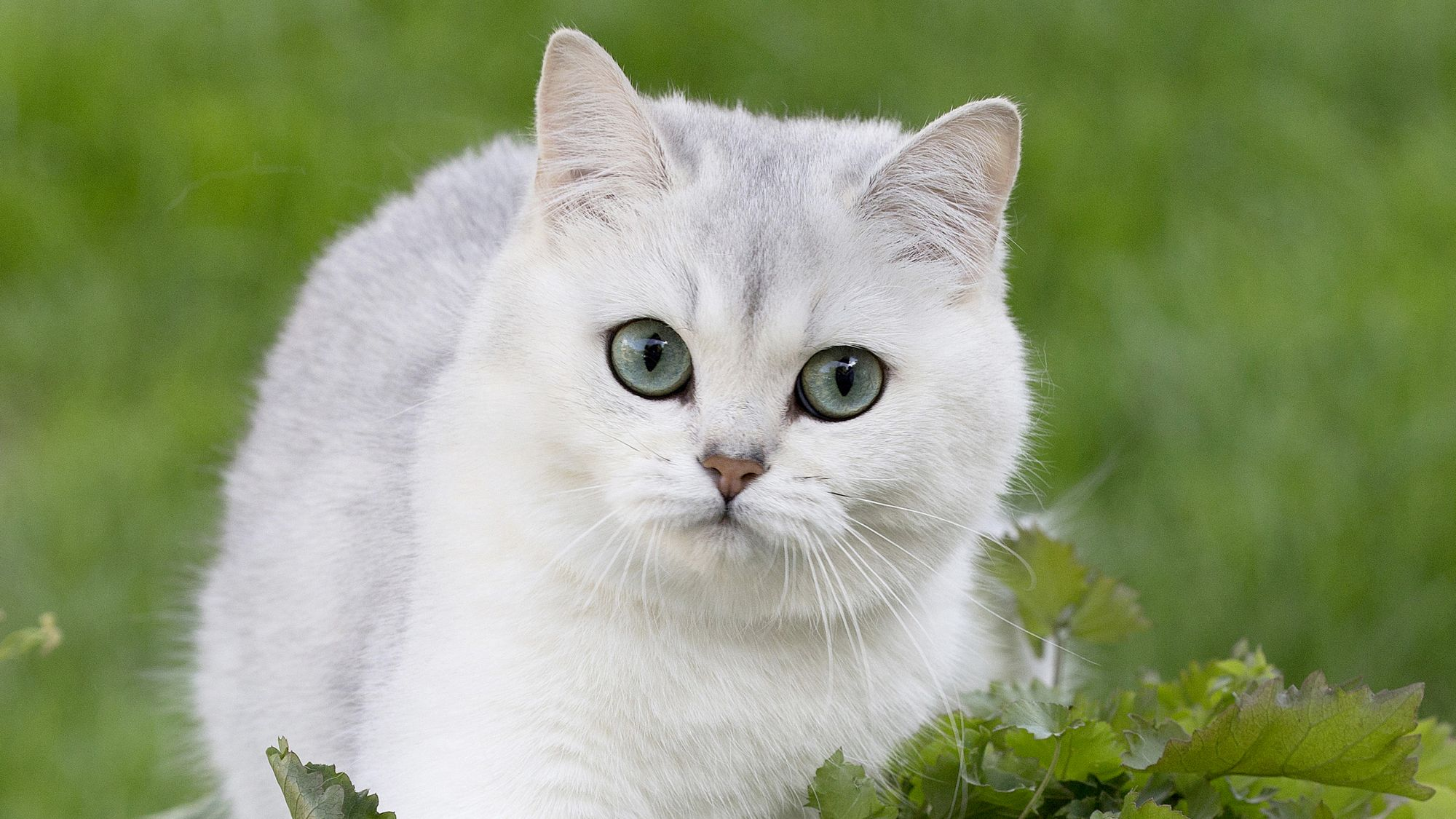
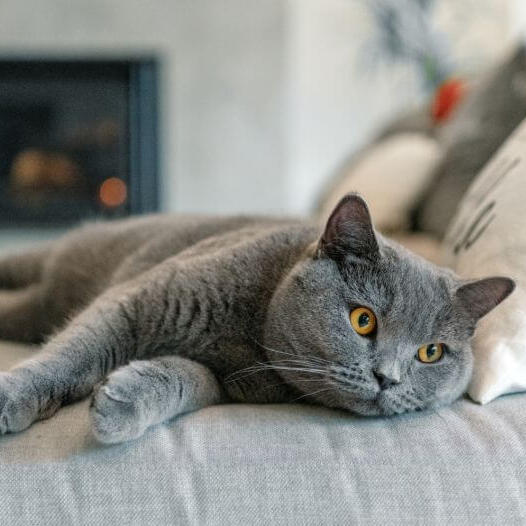
Originally recognized as the British Blue, the British Shorthair breed now boasts a wide variety of colors. Yet, it consistently retains its characteristic rounded features and a personality that is both charming and somewhat aloof.
Essentially, these cats are the pedigreed descendants of common British domestic shorthair cats. Through selective breeding over time, they have developed a distinct appearance and highly predictable temperament.
British Shorthairs are deeply affectionate towards their families and prefer to remain close by, but they are generally not fond of being cuddled or held. They find comfort in lounging right next to you rather than settling on your lap. They are known for being quiet, non-demanding, and not excessively vocal. While they make wonderful companions for most homes, their aversion to being restrained or carried means they do not tolerate disrespect.
This reserved nature does not equate to an anti-social personality; rather, it suggests the British Shorthair may not be the best fit for families with very young children who have not yet learned to respect animal boundaries.
Care
Nutrition
The British Shorthair does not have specialized dietary requirements; however, this breed is notably prone to weight gain as it matures. Therefore, a focus on weight management is key. It is crucial to offer a premium-quality diet that is high in protein and keeps carbohydrate content relatively low to support muscle mass and manage energy intake.
Grooming
Caring for the British Shorthair’s coat is straightforward due to its density and short length. They require only minimal maintenance, typically just one or two brushings per week. Regular brushing helps remove loose hair, prevents matting (though rare in this breed), and reduces shedding around the house.
Exercise
Young British Shorthair cats often exhibit a natural playful enthusiasm. However, as these cats age, their activity levels tend to decrease. To prevent obesity and keep them mentally stimulated, you may need to actively encourage daily play. Engaging toys such as battery-operated mice, laser pointers, and feathered wand toys are excellent tools to keep them moving.
Health
Generally considered a robust breed, the British Shorthair enjoys excellent overall health. Nonetheless, two specific genetic conditions are known to occur within the breed. Reputable breeders can fortunately screen potential parents for both, significantly minimizing the risk in their offspring.
Prospective owners should ensure that the breeder has performed genetic testing on the parents for:
Hemophilia B (a clotting disorder).
Hypertrophic Cardiomyopathy (HCM) (a form of heart disease).
While no breeder can completely guarantee freedom from future heart issues, rigorous screening of the breeding stock greatly reduces the likelihood of these disorders appearing in the kittens.
History
The history of the British Shorthair is ancient and captivating. It is widely believed that this breed traces its roots back to the first century A.D. when Roman invaders brought their working domestic cats to Britain. These early cats were essential for maintaining Roman military camps, keeping them free of rodents and other pests.
These Roman cats interbred with local European wildcats. Over centuries, the resulting offspring evolved a distinctive physique: large, solid, and possessing the dense, short coats needed to withstand the British climate. Contemporary British Shorthairs proudly retain the robust look of these ancestors.
The artist and cat enthusiast Harrison Weir is credited with standardizing the breed in the 19th century. Weir, along with other breeders, began deliberately selecting for the striking blue-gray variation, which led to the popular British Blue. The newly defined British Shorthair was prominently featured at the world’s first formal cat show, held at the Crystal Palace in London in 1871.
Despite this early recognition, the breed faced near extinction not once, but twice: first during the First World War and again after the Second World War. To preserve their beloved native cat, breeders introduced Persians into the bloodline, leading to the creation of the British Longhair. Shorthaired offspring were also crossed with Russian Blue and French Chartreux cats to enhance the desirable blue-gray coloring.
The breed gradually regained recognition, starting with the American Cat Association in 1967. By 1980, it was recognized by The International Cat Association (TICA) and the Cat Fanciers’ Association (CFA). Today, the British Shorthair is universally recognized by all cat associations and is available in virtually every imaginable color and pattern. Despite the variety, the blue color remains the most common and popular choice.