

Height
27 – 35 cm
Adult Weight
2,5 – 6 kg
Life Span
12-15 years
Origin
Egypt
Personality and Temperament
Playful and curious when at home with family, the Egyptian Mau cat can be cautious or standoffish with strangers. These stunning cats are highly intelligent, with a reputation for using their musical voices to make conversation with their favorite people.
Like most felines, these Egyptian beauties love to relax when the time comes, but for the most part, they are not couch potatoes. Fast and athletic, they truly enjoy playtime, and their ability to learn interactive games has given them a reputation for having almost doglike personalities.
If you bring an Egyptian Mau cat into your family, you will need to spend plenty of time helping to bring out the best in their personality. Be sure to focus on socialization to prevent problems at the vet and to ensure that the cat is comfortable with visitors. Take care to ensure that all interactions are as positive as possible, so the cat learns that humans are fun and friendly, and that treats are involved when good behavior is put on display.
Care
Nutrition
Egyptian Mau cats don’t have any specific dietary requirements, but like all cats, they do best on a high-protein diet. While they’re active and playful, Egyptian Maus are relatively small, so overfeeding can lead to obesity, which may cause joint pain and other health issues. To make sure your cat stays at a healthy weight, it’s a good idea to consult with your vet about the right portion sizes and feeding schedule.
Grooming
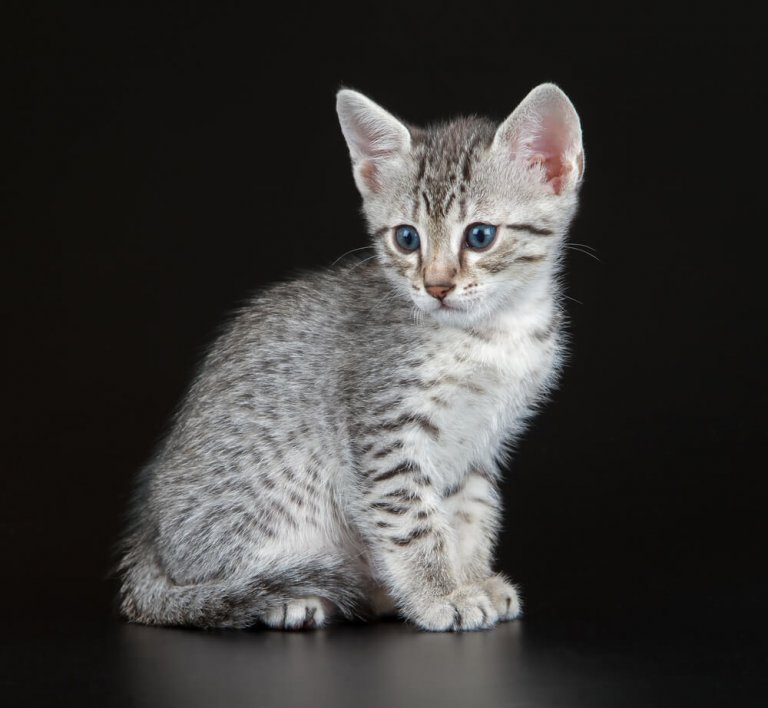
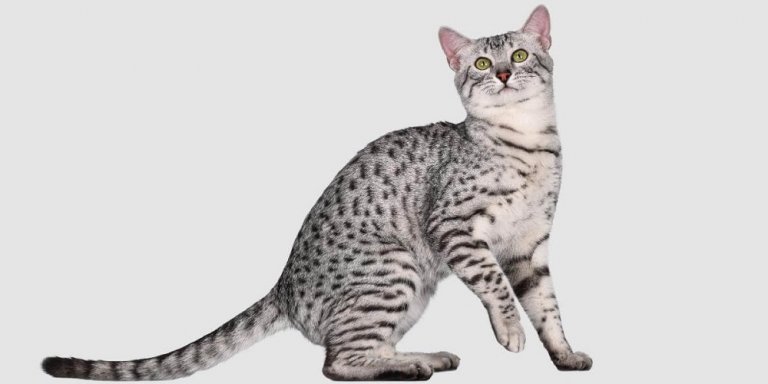
The Egyptian Mau has a short, fine coat that can really shine with a little attention. Brushing them once or twice a week not only helps keep their coat looking sleek but also reduces shedding. They’ll enjoy the bonding time as you groom them! In addition to coat care, it’s important to trim their nails every one to two weeks. Be sure to check their ears weekly for signs of redness, odor, or excessive dirt. If you notice any buildup, clean their ears with a pet-safe ear cleaner, using cotton balls or gauze to gently wipe them clean.
Exercise
Egyptian Mau cats are full of energy and love to play! They’re particularly fond of running and jumping, and in fact, they hold the land speed record for domesticated cats, reaching speeds of up to 30 miles per hour! Like other active breeds, Egyptian Maus are big fans of toys and will happily entertain themselves. They also enjoy interactive play with their humans. These cats are highly trainable and can learn tricks like walking on a leash or fetching, which are perfect ways to burn off some energy and boost socialization opportunities. To keep them happy and active, make sure they have plenty of toys, as well as access to scratching posts and a tall cat tower for climbing. Even with all that, don’t be surprised if your Egyptian Mau is spotted perched high up on bookshelves, cupboards, or even the top of the refrigerator—these cats love a good vantage point!
Health
Egyptian Mau cats are generally healthy, but like many purebred cats, they can be prone to certain genetic disorders specific to the breed.
Some of the conditions seen in Egyptian Maus include hypertrophic cardiomyopathy (HCM), a heart disease; pyruvate kinase deficiency, which can lead to anemia; leukodystrophy, a rare genetic disorder affecting the brain and spine; and urolithiasis, a condition involving bladder stones. A proper diet, along with plenty of water, can help reduce the risk of stone formation and support overall health.
To help prevent urinary and kidney issues, it’s recommended to feed your Egyptian Mau fresh or high-quality canned food, which provides better moisture content compared to dry food. This can help keep their urinary tract healthy and reduce the chances of kidney or bladder problems.
History
As their name suggests, the Egyptian Mau cat is believed to have originated in Egypt, though the exact history remains a bit of a mystery. While there are no clear records of how Egyptian street cats became the breed we recognize today, it’s possible that the modern Egyptian Mau has ancient roots dating back to Egypt.
Depictions of spotted cats on ancient Egyptian hieroglyphics show animals that resemble today’s Egyptian Maus, which suggests that this breed—or at least its close ancestors—may have been revered by the ancient Egyptians over 3,500 years ago.
The Egyptian Mau breed we know today was likely developed by breeding spotted Egyptian street cats, which are thought to have North African wildcats among their ancestry. This rich, mysterious history adds to the allure of this captivating and elegant breed.