

Height
23 – 28 cm
Adult Weight
3.5 – 7 kg
Life Span
14 -20
Origin
Sweden
Personality and Temperament
The European Shorthair is valued for its versatility, intelligence, and balanced temperament. It is friendly and affectionate without being overly demanding and enjoys spending time with its humans while still appreciating some independence.
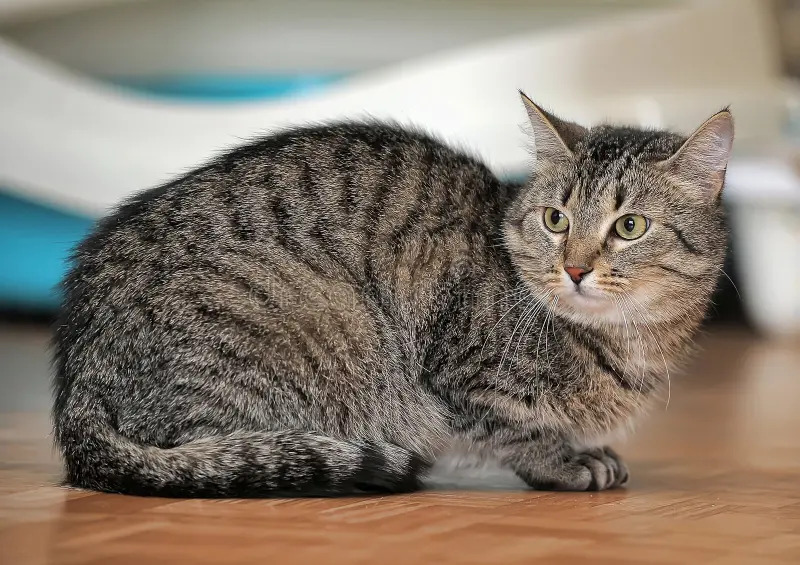
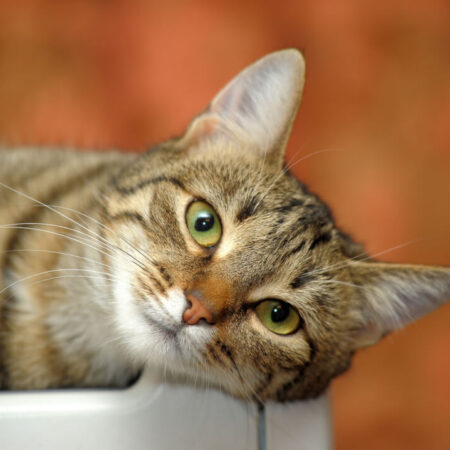
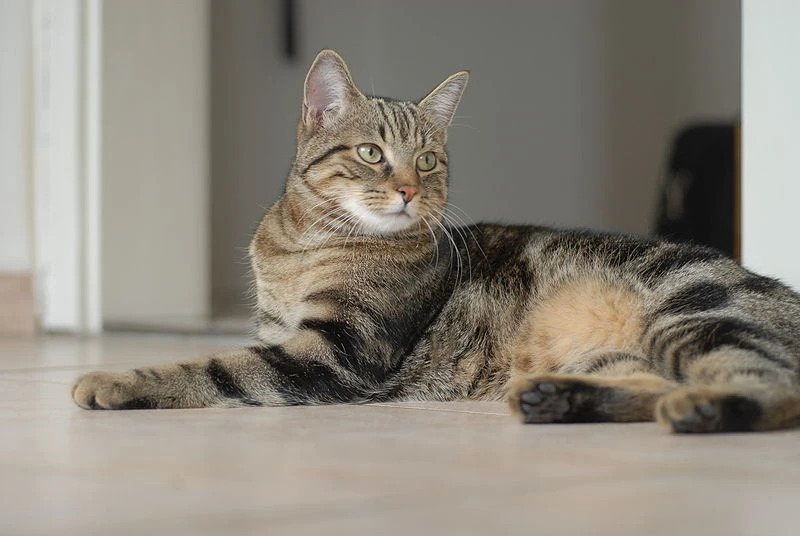
These cats are agile, alert, and natural hunters, often excelling at catching pests. Their muscular bodies, round heads, and short, dense coats give them a sturdy, classic “cat” appearance. Coat colors and patterns vary widely—everything from solid colors to tabby, tortoiseshell, and bicolor markings.
European Shorthairs adapt well to both apartment and rural life, making them excellent companions in a variety of home settings.
Care
Nutrition
European Shorthairs need a balanced, protein-rich diet to support their active and muscular bodies. Choose high-quality cat food that meets their life stage and activity level. Because these cats are often good hunters, if they go outdoors, they may supplement their diet with prey—so portion control is key to avoiding overfeeding.
Grooming
With their short, dense coats, European Shorthairs are low-maintenance. A weekly brushing is typically enough to remove loose hairs and keep their coat in good condition. Routine grooming habits like nail trimming and dental care should also be included to maintain overall health.
Exercise
These cats are naturally active and benefit from daily playtime. They love interactive toys, climbing trees, and puzzle feeders that keep them both mentally and physically stimulated. If allowed outdoors, they will often entertain themselves through exploration and hunting.
Health
European Shorthairs are known for their excellent health and hardiness, thanks to their natural evolution rather than selective breeding. They have no major breed-specific health issues but should still receive regular vet check-ups, vaccinations, and preventative care. Maintaining a healthy weight is especially important, as they can be prone to gaining weight if under-exercised.
History
The European Shorthair is considered the original domestic cat of Europe. Its roots go back thousands of years, likely descending from ancient Egyptian and Roman cats that spread across the continent through trade and travel.
In the 20th century, breeders began to distinguish the European Shorthair as a pure breed, separate from lookalike cats like the British Shorthair. While British Shorthairs were selectively bred for a rounder, more compact look, European Shorthairs retained a more natural, athletic appearance.
Recognized by various cat associations, including FIFe (Fédération Internationale Féline), the breed is especially popular in Nordic and Central European countries, where it is appreciated for both its practical skills and companionable nature.