

Height
23 – 28 cm
Adult Weight
2,7 – 4,5 kg
Life Span
15 – 18 years
Origin
Japan
Personality and Temperament
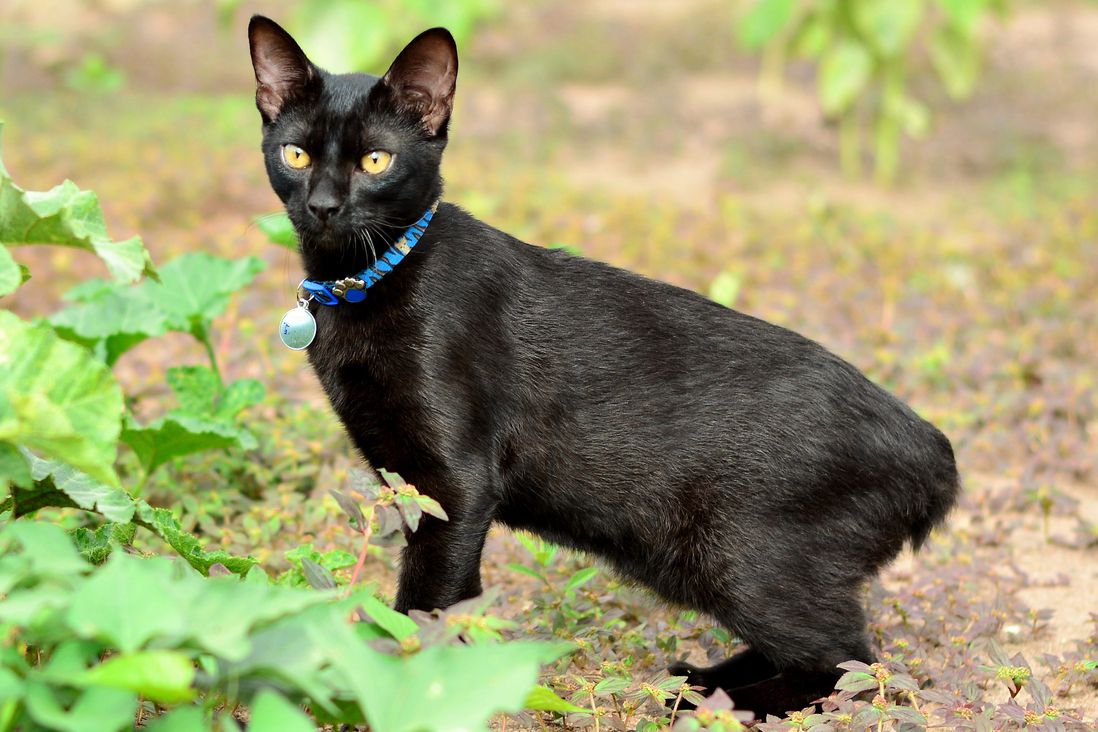
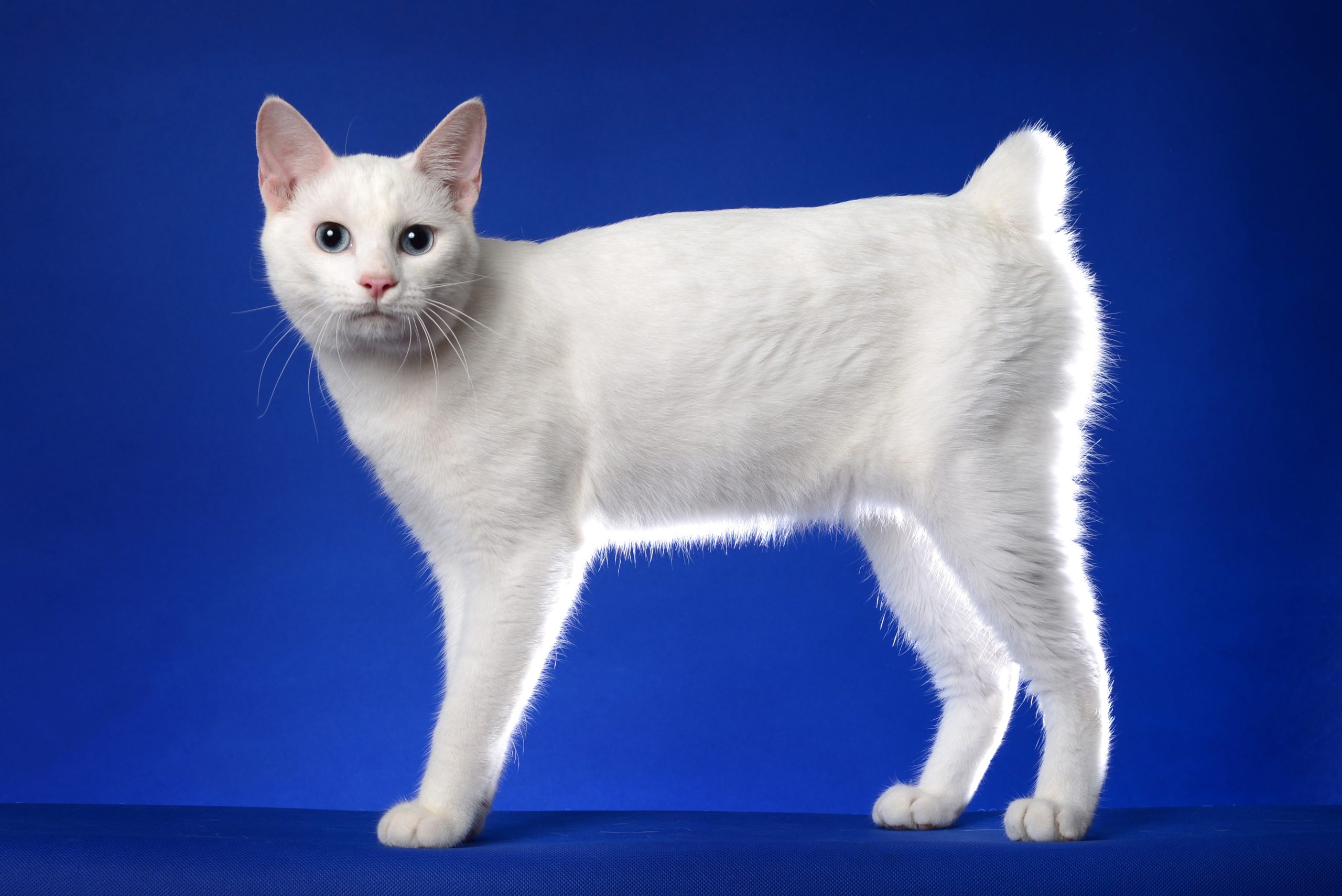
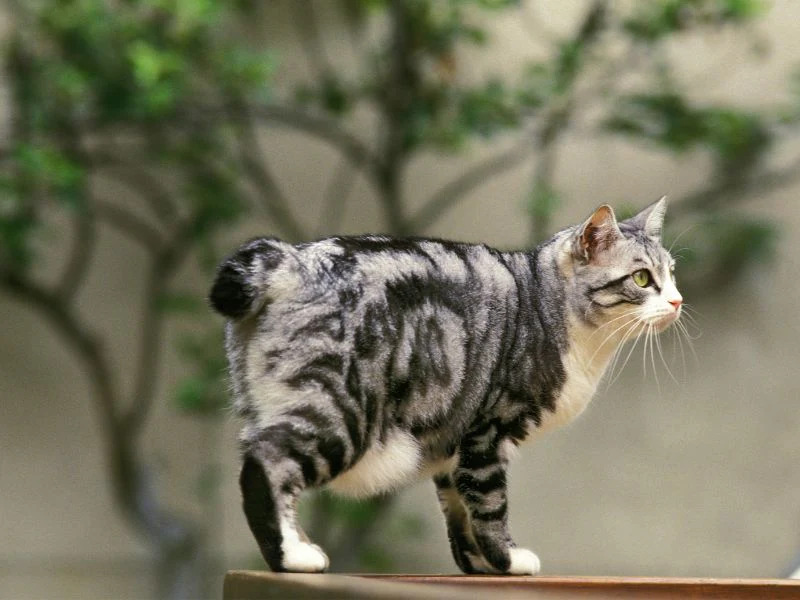
The Japanese Bobtail is a lively, playful, and affectionate cat with a cheerful personality. Their signature bobbed tail, which often curls or kinks, makes them instantly recognizable. This unique tail is not the only distinctive feature—they also have an elegant, slender frame and large, expressive eyes that convey their curious nature.
Japanese Bobtails are known for their high energy levels and love of play. They are intelligent and inquisitive, often seeking out new activities to keep them engaged. Despite their playful nature, they are also affectionate and enjoy spending time with their human companions. They tend to form strong bonds with their families and are particularly good with children and other pets.
This breed is quite vocal, often chirping or trilling to communicate, and they enjoy being involved in whatever is happening around them.
Care
Nutrition
Japanese Bobtails thrive on a well-balanced, high-quality diet rich in protein to maintain their lean, muscular build. A combination of wet and dry food tailored to their life stage (kitten, adult, senior) is ideal. Given their active nature, providing a nutritious diet will support their energy levels and overall health. It’s important to monitor their weight to avoid obesity, especially since they can be prone to overindulgence.
Grooming
The Japanese Bobtail has a short to medium-length coat that requires minimal grooming. Weekly brushing is usually enough to remove any loose fur and keep their coat healthy. They shed seasonally, so during the spring and fall, you may want to brush them a bit more often.
Regular nail trimming, dental care, and ear cleaning are also part of a good grooming routine. Due to their playful and curious nature, they might need extra care in preventing dental issues and maintaining a clean coat.
Exercise
Japanese Bobtails are an active, playful breed that loves to engage in interactive play and mental stimulation. They’re highly intelligent and enjoy puzzles, cat trees, and climbing structures. They also love playing fetch, chasing toys, and often carry around objects in their mouths like a dog.
These cats are known for their acrobatic skills, enjoying games that challenge their agility and dexterity. Providing a variety of stimulating toys and playtime each day is important for their well-being. If you have a safe outdoor space, they’ll also enjoy exploring and hunting in a secure environment.
Health
Japanese Bobtails are generally healthy cats, and because they are a natural breed, they tend to have fewer breed-specific health problems. However, as with any cat, they can be prone to common feline issues such as:
Dental Disease: Regular dental care is important to avoid dental issues, which are common in all cats.
Obesity: Due to their active nature, it’s important to ensure they don’t become overweight, as it can lead to joint and mobility issues.
Hip Dysplasia: While not common, some Japanese Bobtails may be prone to hip issues, so regular vet check-ups are important.
Routine veterinary care, vaccinations, and keeping an eye on their diet and exercise will help ensure your Japanese Bobtail lives a long, healthy life.
History
The Japanese Bobtail is one of Japan’s oldest and most iconic cat breeds, with a history stretching back over a thousand years. The breed’s distinctive bobbed tail is the result of a natural genetic mutation that has been preserved and passed down through generations.
The Japanese Bobtail has appeared in ancient Japanese art, literature, and folklore, where they are often depicted as bringers of good fortune. The breed was associated with the Japanese belief in “maneki-neko,” the “beckoning cat” often seen as a symbol of prosperity.
In the 1960s, the breed was introduced to the United States, where it gained popularity due to its charming personality and unique appearance. Today, the Japanese Bobtail is recognized as a rare and beloved breed around the world.