

Height
25 – 41 cm
Adult Weight
5.9 – 8.2 kg
Life Span
9 – 15 years
Origin
United States
Personality and Temperament
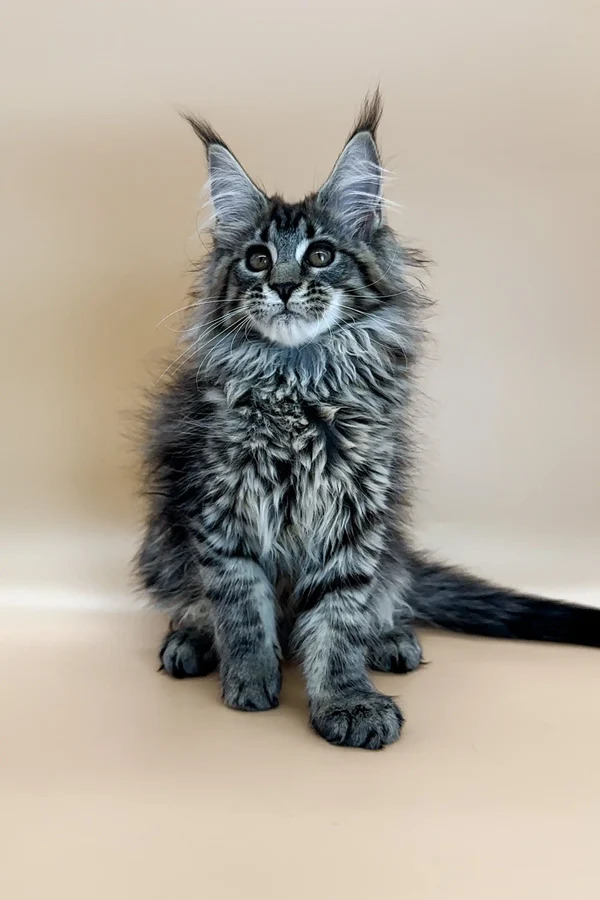
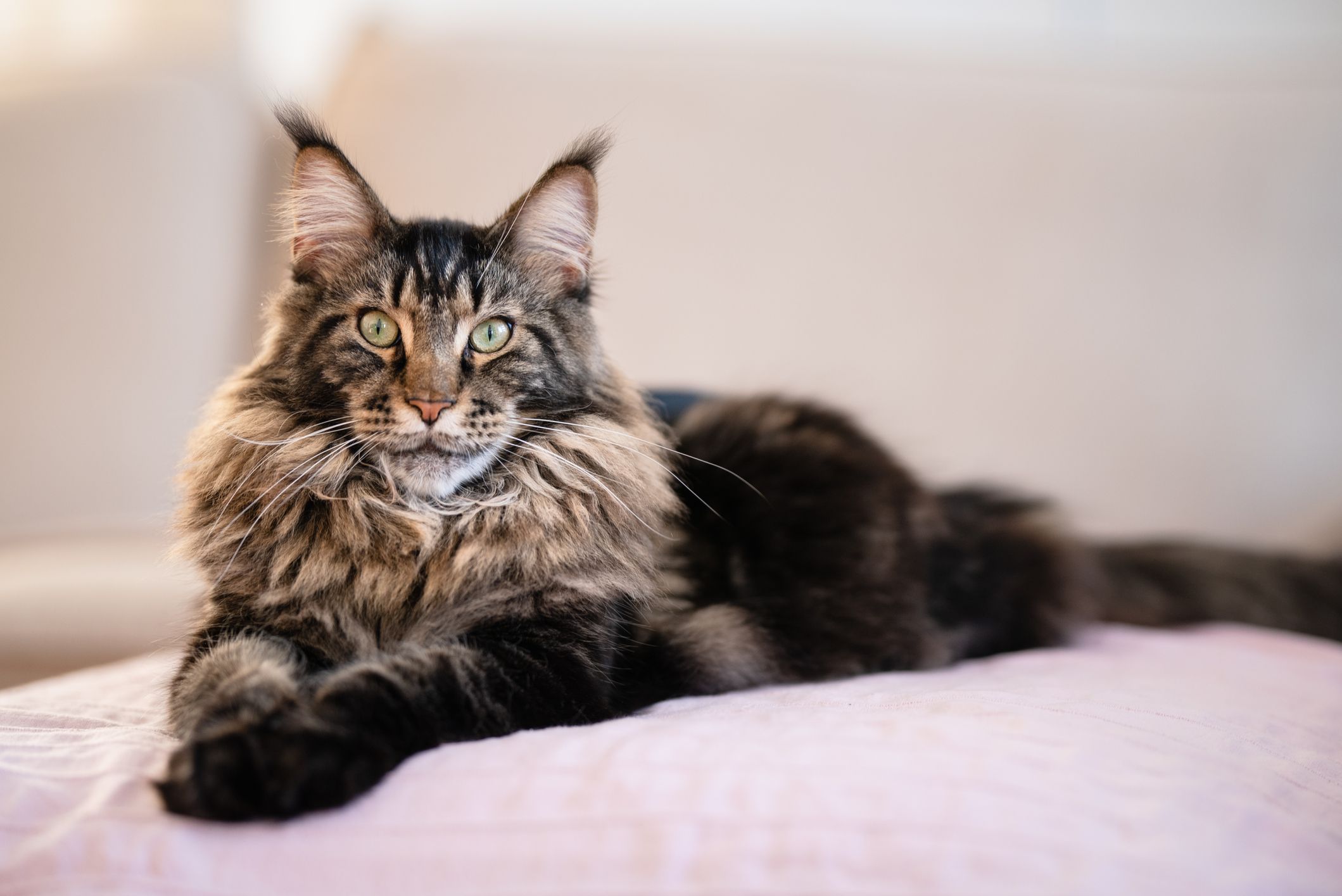
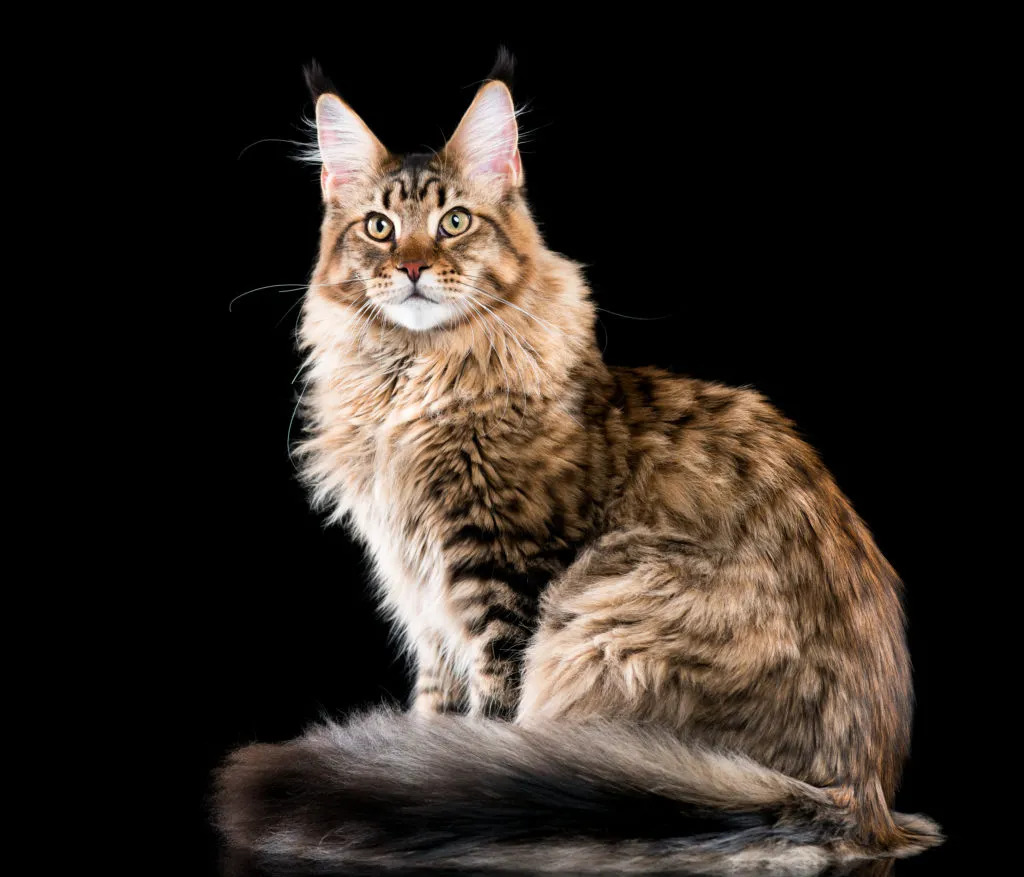
Maine Coons are known for their impressive size, long bushy tails, tufted ears, and distinctive physical features. They have a muscular, sturdy build and a thick, water-resistant coat that helps them stay warm in cold climates. Despite their large size, Maine Coons are friendly, gentle, and affectionate cats that are great with children and other pets.
Their temperament is one of their most appealing traits—they’re often referred to as “gentle giants” because they are calm, social, and easygoing. Maine Coons tend to enjoy human company but are not overly demanding, making them great companions for families, single owners, or multi-pet households.
Maine Coons are playful and curious and retain their kitten-like energy well into adulthood. They are often described as “dog-like” in their behaviors, as they enjoy fetching, following their owners around, and even learning tricks.
Care
Nutrition
Maine Coons are large, active cats that need a balanced diet high in protein to support their muscle mass and energy levels. Look for high-quality cat food that’s rich in meat and provides a good amount of healthy fats for a shiny coat.
These cats tend to have hearty appetites, so portion control is important to prevent obesity, especially as they age. A mix of wet and dry food is often ideal for providing a range of nutrients. Additionally, Maine Coons can benefit from high-fiber diets to support digestive health and maintain a healthy weight.
Grooming
Maine Coons have long, thick fur that requires regular maintenance to prevent matting and tangles. Ideally, they should be brushed two to three times a week to remove loose hairs and to keep their coat looking healthy. During shedding season (spring and fall), more frequent grooming may be necessary.
Their thick undercoat and long fur can mat if not properly maintained, so regular brushing is essential. Besides coat care, routine nail trimming, dental hygiene, and ear cleaning should be part of your grooming routine to maintain your Maine Coon’s overall health.
Exercise
Maine Coons are very active cats that require plenty of exercise to stay healthy. They enjoy interactive play, such as chasing toys, playing fetch, and climbing. Providing them with scratching posts and tall cat trees will allow them to exercise their muscles and indulge their love of climbing.
These cats are also highly intelligent, so mentally stimulating toys and puzzle feeders are great for keeping their minds sharp. Despite their size, Maine Coons are agile and graceful, and their playful nature continues well into adulthood.
Health
While Maine Coons are generally healthy cats, they can be prone to certain hereditary health issues. Some of the most common health concerns for the breed include:
Hypertrophic Cardiomyopathy (HCM): A heart condition that causes thickening of the heart muscles. It can be managed with medication and regular vet visits.
Hip Dysplasia: A joint issue where the hip joint doesn’t fit properly into the hip socket, potentially leading to arthritis or mobility problems.
Spinal Muscular Atrophy (SMA): A genetic disorder affecting muscle function. While not life-threatening, it can affect their mobility in the long term.
Polycystic Kidney Disease (PKD): A hereditary condition where cysts form in the kidneys, potentially leading to kidney failure.
Routine check-ups, including heart health screenings and regular vaccinations, can help manage these potential health issues. Maine Coons are generally robust cats, and with proper care, they can live a long, healthy life.
History
The Maine Coon’s exact origins are a matter of speculation, but the breed is strongly associated with the state of Maine, where it is said to have been bred naturally to adapt to the harsh climate. Some legends claim that the breed originated from the long-haired cats of French or Norwegian sailors, while others believe they are descended from the cats of early American settlers.
In the 19th century, the Maine Coon gained a reputation for its ability to work as a barn cat, controlling vermin and surviving in cold weather. The breed became popular in the cat fancy community and was eventually recognized in cat shows in the late 1800s. However, by the early 1900s, other breeds like Persians and Siamese became more fashionable, and the Maine Coon’s popularity waned.
The breed made a comeback in the 1950s and 1960s, thanks to dedicated breeders who worked to preserve its unique traits. Today, the Maine Coon is one of the most beloved and iconic cat breeds worldwide.