

Height
25 – 38 cm
Adult Weight
3.2 – 5.4 kg
Life Span
12 – 16 years
Origin
Persian
Personality and Temperament
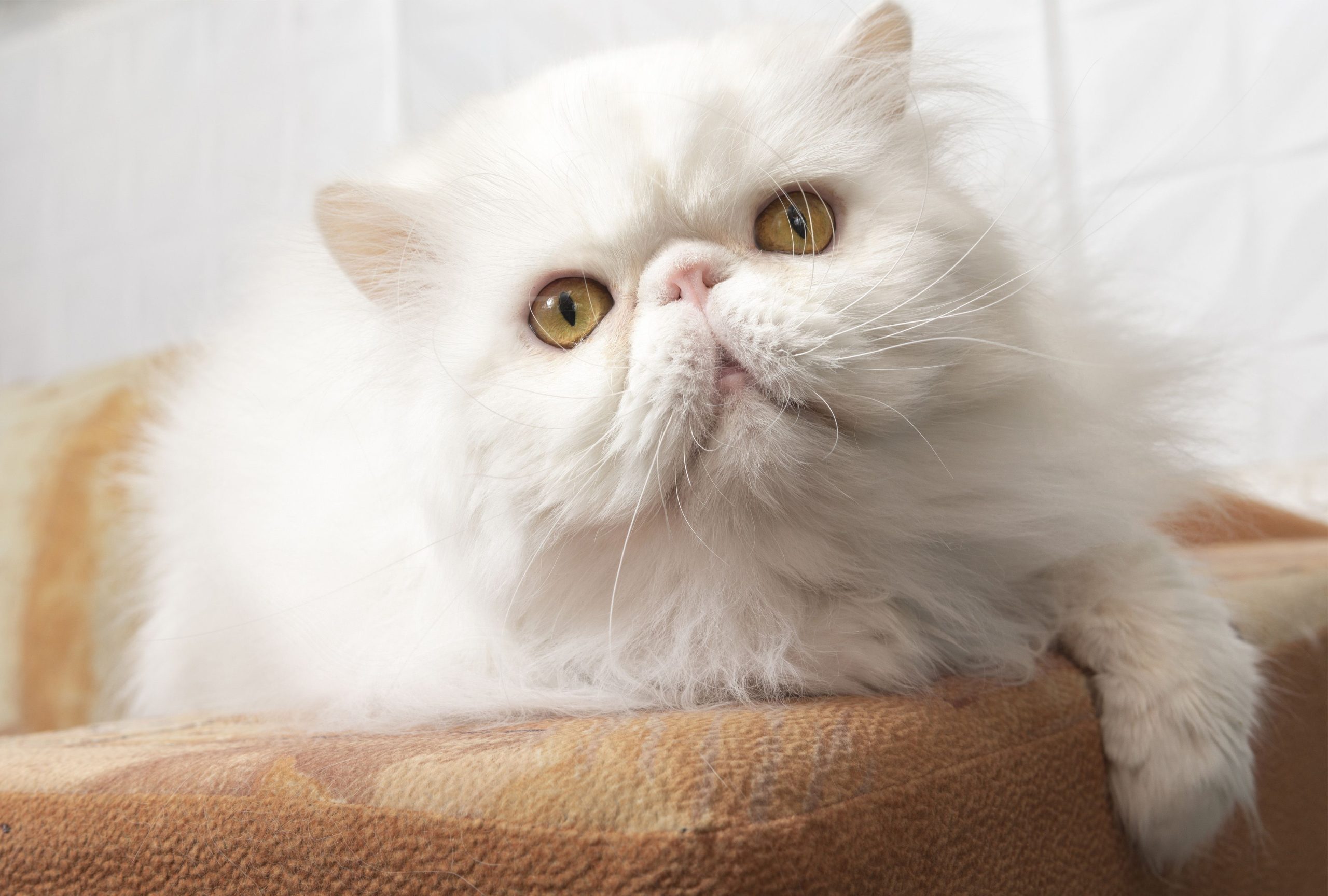
The Persian cat is renowned for its beautiful, long, silky coat and affectionate personality. They have a calm, laid-back nature and are often described as “lap cats,” enjoying being pampered and cuddled. They are gentle, quiet, and sociable cats that form close bonds with their families.
Persians are generally calm and do not seek constant attention, but they thrive in a peaceful environment where they can enjoy a relaxed lifestyle. They are not as active as some other breeds, preferring to lounge and watch the world around them. Despite their reserved nature, they enjoy human companionship and will follow their owners from room to room, often curling up in their laps or resting beside them.
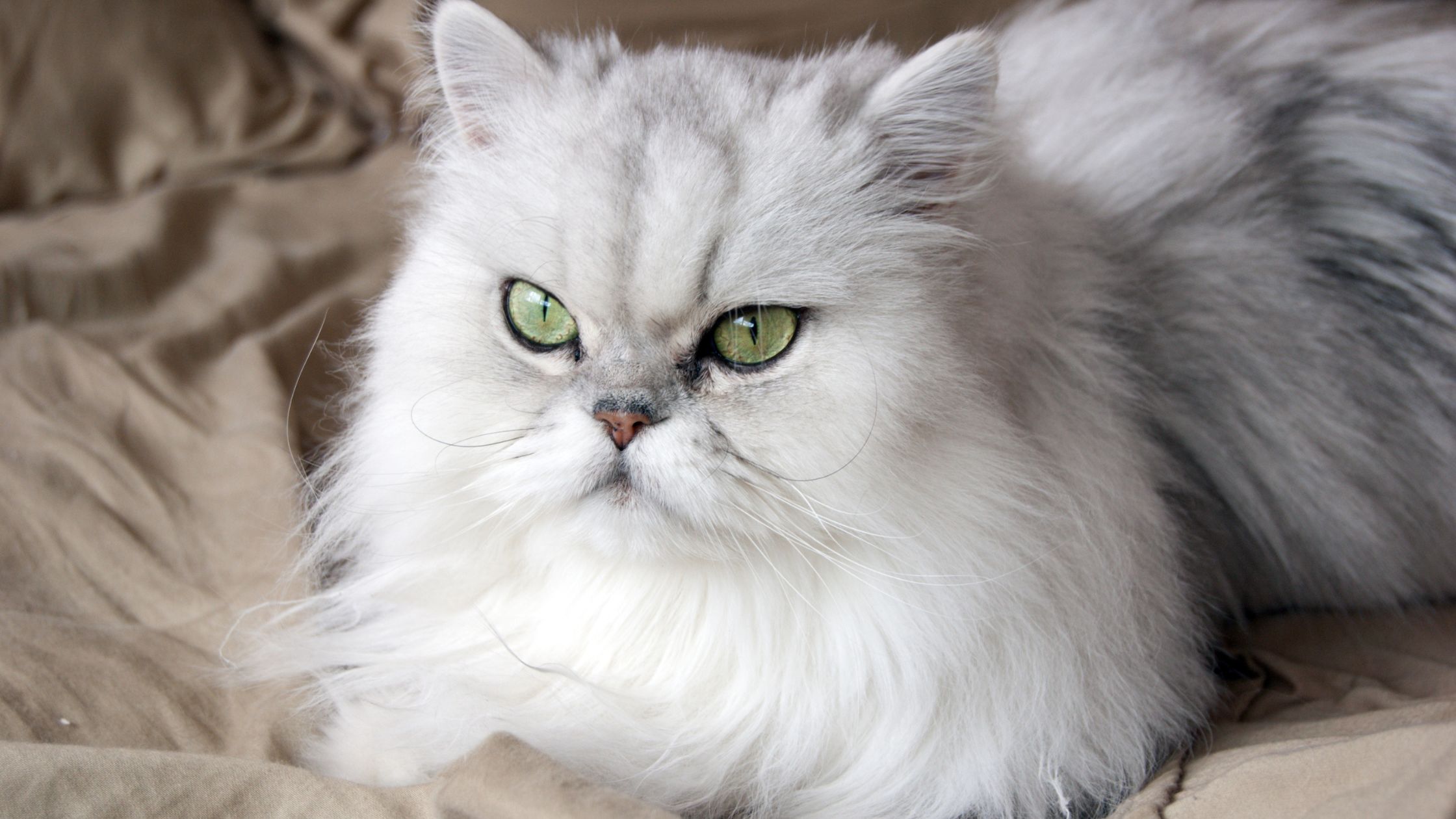
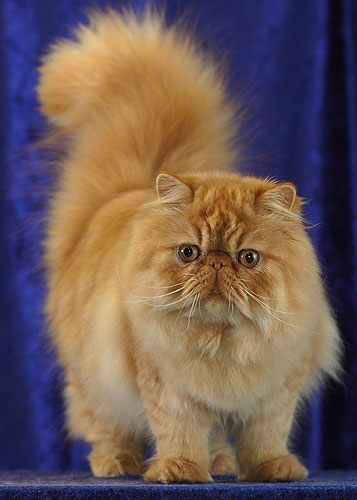
The Persian’s distinctive flat face, round eyes, and long, luxurious fur give them a striking appearance that is instantly recognizable.
Care
Nutrition
Persian cats, with their luxurious coats and larger frames, require a high-quality, balanced diet to maintain their health and appearance. A diet rich in protein, fats, and essential nutrients will help keep their coat healthy and their weight in check. Wet food is often recommended for Persians, as it provides moisture to support urinary health, a common concern in the breed.
Because Persian cats are prone to becoming overweight, portion control is important. Ensure that your Persian receives the proper amount of food based on their activity level, age, and health needs. Additionally, offering a variety of wet and dry food can help keep them engaged and prevent them from becoming picky eaters.
Grooming
One of the most important aspects of owning a Persian cat is maintaining their long, thick coat. Persian cats have luxurious fur that requires regular grooming to prevent matting, tangling, and hairballs.
Daily brushing is recommended, especially during shedding seasons, to keep their coat tangle-free and to minimize hairballs.
Bathing every month or two can also help maintain their coat’s softness and prevent it from becoming greasy.
Eye care is essential as Persians are prone to tear staining. Use a damp cloth to gently clean their eyes regularly to avoid staining.
Regular nail trimming, ear cleaning, and dental care are also important aspects of Persian grooming. Their flat faces can sometimes lead to minor breathing issues, so keeping their noses clean is also important for their overall comfort.
Exercise
Persians are generally not as active as some other breeds, preferring a calm and laid-back lifestyle. While they are not typically high-energy cats, they still need regular mental stimulation and moderate physical activity to stay healthy.
Interactive toys, such as laser pointers, feather wands, and puzzle feeders, can engage them in short play sessions. Providing them with a safe and comfortable environment to explore, along with cozy spaces to nap, will help satisfy their natural curiosity.
While Persians may not enjoy climbing or jumping as much as more agile breeds, they still appreciate some low-impact play and gentle exercise to stay fit.
Health
While Persian cats are generally healthy, they are predisposed to certain health conditions due to their distinctive physical traits. Some of the most common health concerns in the breed include:
Brachycephalic Syndrome: Persians have flat faces, which can lead to respiratory issues such as snoring, labored breathing, and difficulty in regulating temperature. It’s important to ensure they do not overheat, especially in warmer months.
Polycystic Kidney Disease (PKD): This is a hereditary condition that affects kidney function. Regular veterinary check-ups and kidney screenings can help detect this early.
Dental Issues: Persian cats are prone to dental disease, so regular brushing of their teeth and vet check-ups are necessary to prevent gingivitis and periodontal disease.
Heart Issues: Some Persian cats may develop hypertrophic cardiomyopathy (HCM), a condition that affects the heart muscle. Regular heart screenings can help identify this issue early.
Routine vet visits, maintaining a healthy weight, and proper grooming can go a long way in keeping your Persian cat healthy and happy.
History
The Persian cat is an ancient breed, believed to have originated in Persia (modern-day Iran) over a thousand years ago. The breed’s exact origins are unknown, but it is thought that Persian cats were initially bred from long-haired cats that were native to the region.
Persian cats were introduced to Europe in the 1600s, likely by traders or during the Crusades, and quickly gained popularity among the European elite. Queen Victoria of England was a major fan of Persians and is believed to have helped popularize the breed in the 19th century.
In the late 1800s, Persian cats were showcased in cat shows, where they were recognized for their beauty and refinement. The breed’s distinct features, particularly its long fur and flat face, became more pronounced over time, and the Persian became one of the most beloved and prestigious cat breeds worldwide.