

Height
23 – 28 cm
Adult Weight
3.2 – 3,5 kg
Life Span
15 – 20 years
Origin
Russia
Personality and Temperament
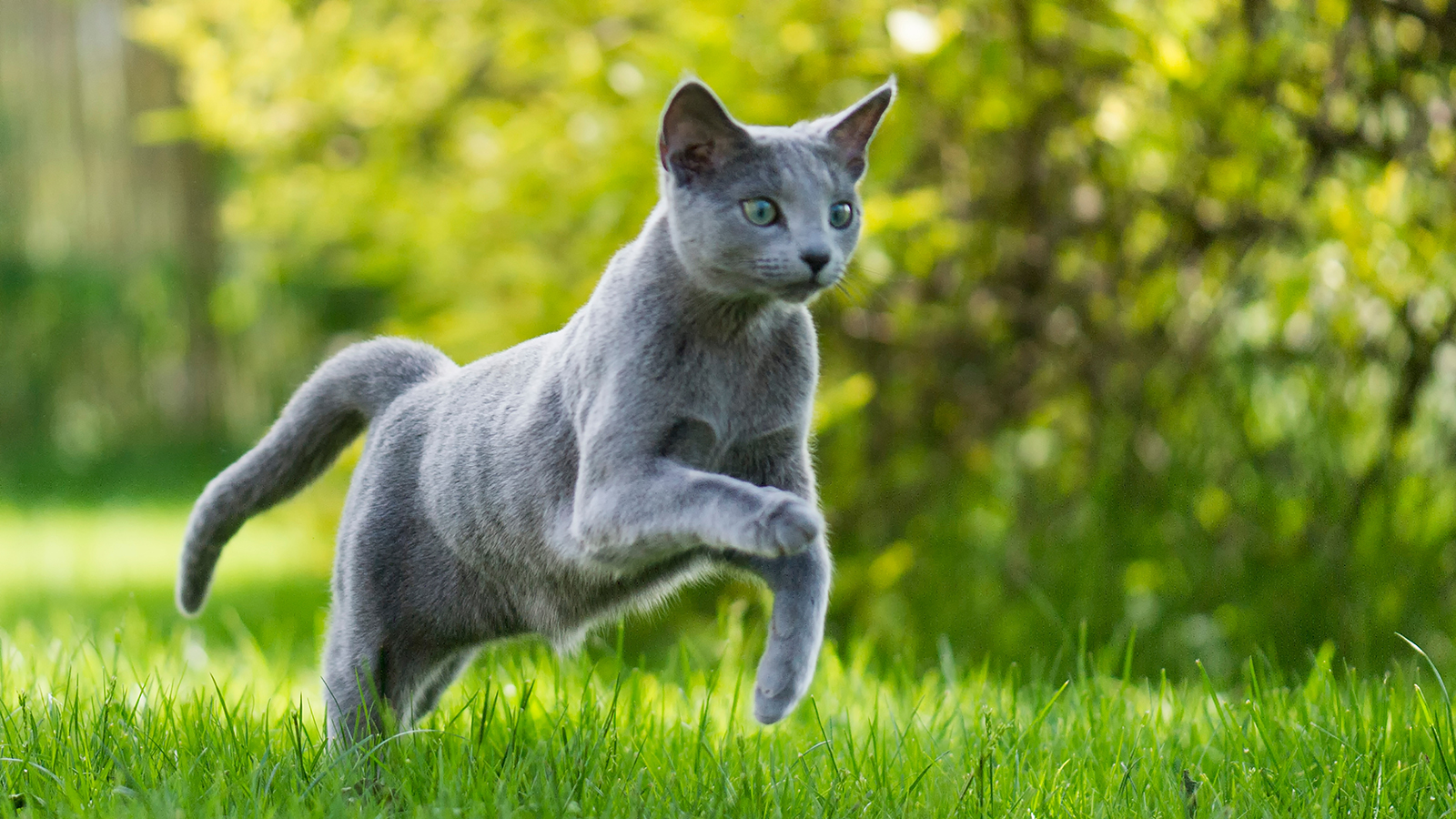
The Russian Blue is a refined and intelligent breed with a calm, reserved, and independent nature. These cats are often shy around strangers but deeply affectionate with their owners. They tend to form strong bonds with their human companions and may choose a favorite person in the household, though they are generally loving and will happily interact with family members.
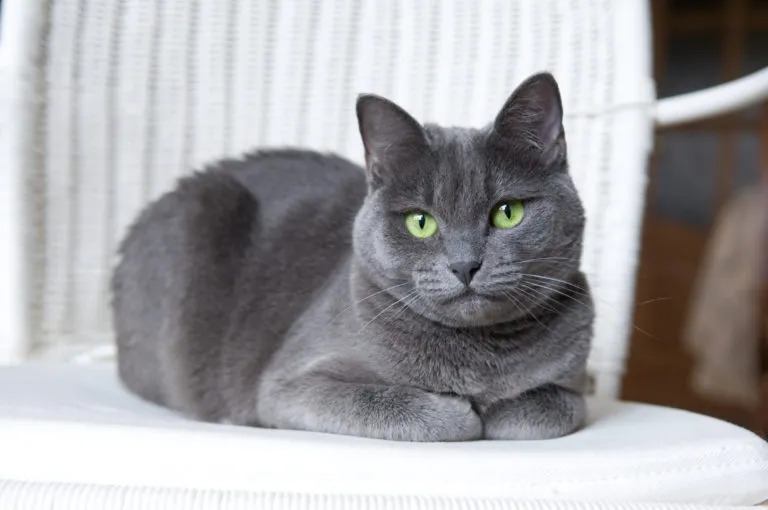
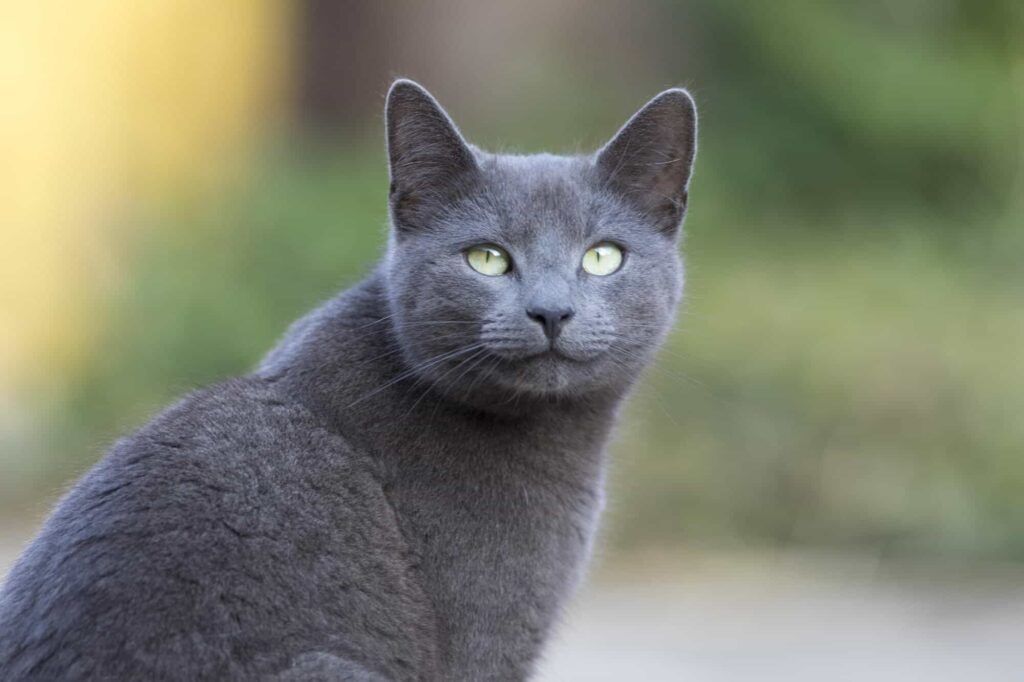
Russian Blues are known for their beautiful silvery-blue coats and vivid green eyes, which give them a regal appearance. They are gentle and quiet, typically not as vocal as some other breeds, making them ideal for people who enjoy a calm and peaceful home environment.
These cats are highly intelligent, inquisitive, and can be trained to perform tricks or use a litter box with ease. Despite their independent nature, they love human companionship and enjoy interacting with their owners in a calm, affectionate manner.
Care
Nutrition
Russian Blue cats are typically healthy and require a balanced diet rich in protein, healthy fats, and essential nutrients to maintain their sleek coats and muscular bodies. Their diet should include high-quality commercial food or a mix of wet and dry food options to support their activity levels and maintain their health.
It’s important to provide your Russian Blue with a high-protein diet to support their lean muscle mass. You should avoid overfeeding, as they can be prone to weight gain if not kept active. Wet food can also help with hydration, which is important for overall health.
Additionally, make sure they have access to fresh water at all times and monitor their weight regularly to ensure they maintain a healthy body condition.
Grooming
Russian Blue cats have a short, dense, plush coat that requires minimal grooming. Despite their thick, velvety fur, they shed minimally compared to other breeds, which makes them a good choice for those with allergies or those who prefer a low-maintenance grooming routine.
Brushing: Brushing once a week is generally enough to keep their coat looking shiny and healthy. Russian Blues shed lightly throughout the year but experience more shedding during seasonal changes, so a gentle brush will help remove any loose fur.
Nail Trimming: Like all cats, Russian Blues need regular nail trimming to prevent overgrowth. Trim their nails once every 1-2 weeks.
Dental Care: Regular tooth brushing is recommended to prevent dental disease. You can also offer dental treats or special toys designed to help with oral hygiene.
Ear and Eye Care: Russian Blues have relatively clean ears, but it’s always a good idea to check their ears regularly for wax build-up or debris. Wipe their eyes gently with a damp cloth if any discharge occurs.
Exercise
Russian Blue cats are active, though they’re not as boisterous as some other breeds. They are playful and enjoy interactive toys, such as feather wands, laser pointers, and puzzle feeders, which engage their intelligence and curiosity.
While they don’t have the same high-energy needs as breeds like Bengals, Russian Blues enjoy short play sessions that allow them to exercise their bodies and minds. They are also known to be excellent jumpers and climbers, so providing them with vertical spaces like cat trees can help satisfy their natural instincts.
As a relatively low-maintenance breed, Russian Blues will appreciate a calm environment to play in, but they still need opportunities to exercise and engage their mind with stimulating activities.
Health
Russian Blue cats are generally healthy, but like all breeds, they may be predisposed to some health conditions. Being a naturally robust breed, however, they tend to experience fewer health issues than other cats.
Polycystic Kidney Disease (PKD): While Russian Blues are generally healthy, they can sometimes be prone to kidney issues. It’s a good idea to have their kidney function checked regularly to catch any potential problems early.
Obesity: Russian Blues can be prone to weight gain if overfed or under-exercised. Keeping them on a balanced diet and ensuring regular playtime will help maintain a healthy weight.
Hypertrophic Cardiomyopathy (HCM): Like many other cat breeds, Russian Blues can be prone to HCM, a hereditary condition that affects the heart muscle. Regular veterinary check-ups can help detect this early.
Dental Issues: Russian Blues are also prone to dental problems, so regular brushing and vet visits are essential to prevent issues like gingivitis or periodontal disease.
Routine health check-ups, a healthy diet, and plenty of mental and physical stimulation are key to keeping your Russian Blue cat healthy for many years.
History
The Russian Blue’s history is shrouded in mystery, though it is widely believed that the breed originated in Russia. The first documented appearances of the breed date back to the early 19th century, when Russian Blue cats were often favored by royalty and aristocrats for their elegance and quiet disposition.
Some historians suggest that the breed’s signature blue-gray coat was once thought to be an indicator of nobility, with the cats being highly prized for their beauty. It is also speculated that Russian Blue cats were first brought to Western Europe from Russia in the 1800s, where they quickly became popular in royal courts, particularly in Scandinavia.
In the early 20th century, Russian Blue cats began to be imported to the United States, where they became a popular breed in the show circuit. Their smooth, plush coats and striking green eyes helped them stand out, and the breed has remained a favorite among cat enthusiasts ever since.