

Height
25 – 33 cm
Adult Weight
3.2 – 3,5 kg
Life Span
15 – 20 years
Origin
United States
Personality and Temperament
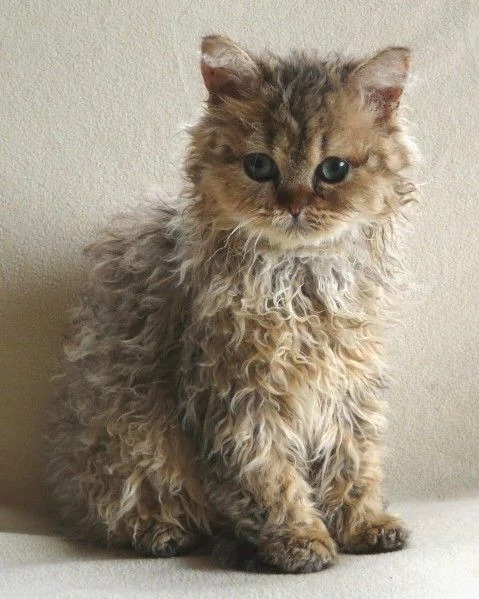
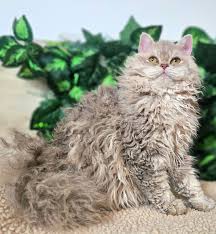
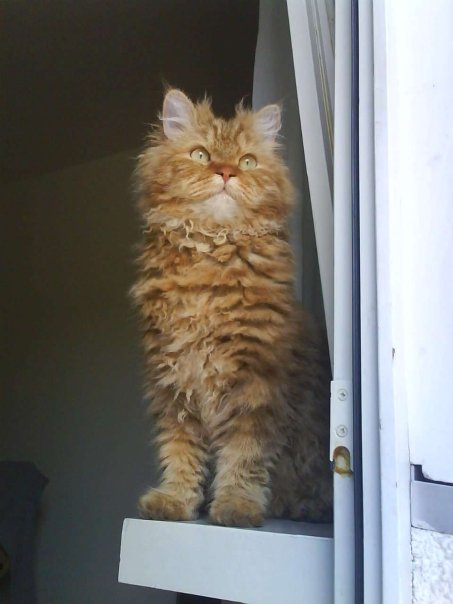
The Selkirk Rex is known for its distinctive curly coat, which gives the breed an almost plush, teddy bear-like appearance. These cats have a broad, rounded face, a strong, muscular body, and thick, curly fur that comes in both long and short varieties. Their unique coat is a result of a natural genetic mutation, and it is soft, dense, and sometimes even “wavy” in texture.
Beyond their charming looks, Selkirk Rex cats are known for their laid-back and affectionate nature. They are typically very friendly, gentle, and enjoy being around people. They are known for their playful yet calm demeanor, making them a great choice for families, including those with children or other pets.
Selkirk Rex cats are also social and enjoy human companionship, but they are not overly demanding of attention. They are often described as “easy-going,” making them adaptable to different living situations, whether in a busy household or a more peaceful environment.
Care
Nutrition
Selkirk Rex cats, like all breeds, require a balanced diet to maintain their health, energy levels, and beautiful coats. A high-quality, protein-rich diet is essential for their well-being, supporting their muscular bodies and promoting a healthy, glossy coat.
Protein and Fat: A diet rich in protein, such as high-quality meat-based food, will help maintain their muscle mass and coat condition. Healthy fats are also important for coat luster and skin health.
Wet and Dry Food: Offering a mix of wet and dry food can help with hydration and provide variety, but be mindful of portion control to prevent overeating.
Hydration: Ensure that your Selkirk Rex has access to fresh water at all times. Wet food can be beneficial for hydration, particularly for cats that don’t drink enough water on their own.
Overfeeding can lead to obesity, so it’s important to provide the appropriate amount of food based on their activity level, age, and overall health.
Grooming
The Selkirk Rex’s most distinctive feature is its curly coat, which requires regular grooming to keep it looking its best. Despite their curly fur, Selkirk Rex cats tend to shed less than other cats, making them a good option for people with allergies. However, they still need regular care to prevent matting and tangling.
Brushing: Selkirk Rex cats should be brushed at least once a week to keep their curly coat free of tangles and mats. The curly coat can be prone to matting, so regular brushing is important to prevent this.
Bathing: Some Selkirk Rex cats may enjoy occasional baths to maintain their fur’s softness and remove oils. However, most cats do not need frequent baths unless necessary.
Eye and Ear Care: Regularly clean their eyes and ears, as they can accumulate dirt or discharge, especially around the eyes.
Nail Trimming: Regular nail trimming is important to prevent overgrowth and ensure their comfort.
Dental Care: Brush your Selkirk Rex’s teeth regularly or provide dental treats to help maintain oral hygiene.
Their soft, curly coat may require more maintenance than a traditional straight-haired cat, but regular grooming will keep them comfortable and looking great.
Exercise
Selkirk Rex cats are playful and active, but they have a laid-back temperament, which means they are happy with moderate exercise. They enjoy interactive play with their human companions and will engage in short bursts of play when encouraged.
Interactive Toys: Use feather wands, laser pointers, and puzzle toys to engage their minds and provide them with some physical activity.
Climbing: While not as highly active as some breeds, Selkirk Rex cats still enjoy exploring their environment. Providing them with a cat tree or shelves to climb on will give them a safe space to exercise their natural climbing instincts.
Playtime: Short, daily play sessions are ideal to keep them active and prevent boredom. Selkirk Rex cats can also be trained to perform simple tricks, making them a fun and interactive breed to own.
They are not as high-energy as some breeds like Bengals or Abyssinians but still require mental and physical stimulation to stay happy.
Health
The Selkirk Rex is generally a healthy breed, but like all cats, they are predisposed to certain health conditions. Regular veterinary visits and preventative care are essential to keeping your Selkirk Rex in optimal health.
Hip Dysplasia: Although relatively rare, Selkirk Rex cats can sometimes be prone to hip dysplasia, which can affect their mobility. Regular check-ups can help monitor for any signs of joint issues.
Obesity: Due to their calm and easy-going nature, Selkirk Rex cats can be prone to obesity if not provided with enough exercise and a balanced diet. Keeping their weight in check is important for overall health.
Polycystic Kidney Disease (PKD): Like many other breeds, Selkirk Rex cats can sometimes develop PKD, a hereditary condition that affects the kidneys. Regular veterinary screenings can help detect this condition early.
Dental Problems: Regular dental care is necessary to prevent gingivitis and other oral health issues. Brushing their teeth or providing dental treats is recommended.
Overall, the Selkirk Rex is a hearty breed that, with proper care, can lead a long and healthy life, often living up to 12 to 16 years.
History
The Selkirk Rex breed was first discovered in 1987 in Montana, USA. The breed’s origins can be traced back to a single kitten named Miss DePesto, who was born with a naturally curly coat. Miss DePesto was bred with a Persian cat, and her curly coat trait was passed on to her offspring. Over time, breeders worked to further develop the breed, maintaining its curly coat while improving the overall health and temperament of the cats.
The Selkirk Rex was officially recognized by The International Cat Association (TICA) in 1994, and since then, it has grown in popularity among cat lovers worldwide. Its unique curly coat, combined with its friendly and affectionate personality, has made it a beloved breed.
The Selkirk Rex is sometimes compared to the Cornish Rex and the Devon Rex due to its curly coat, but it is a separate breed with distinct traits. The breed’s curly coat is the result of a different genetic mutation than those found in the Cornish and Devon Rex breeds.