

Height
23 – 30 cm
Adult Weight
3,5 – 5,5 kg
Life Span
12 – 16 years
Origin
Somalia
Personality and Temperament
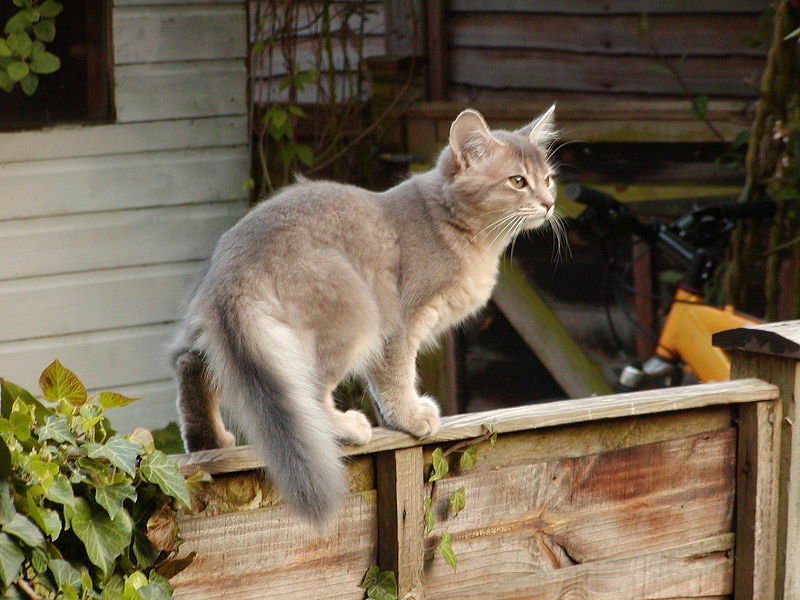
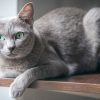
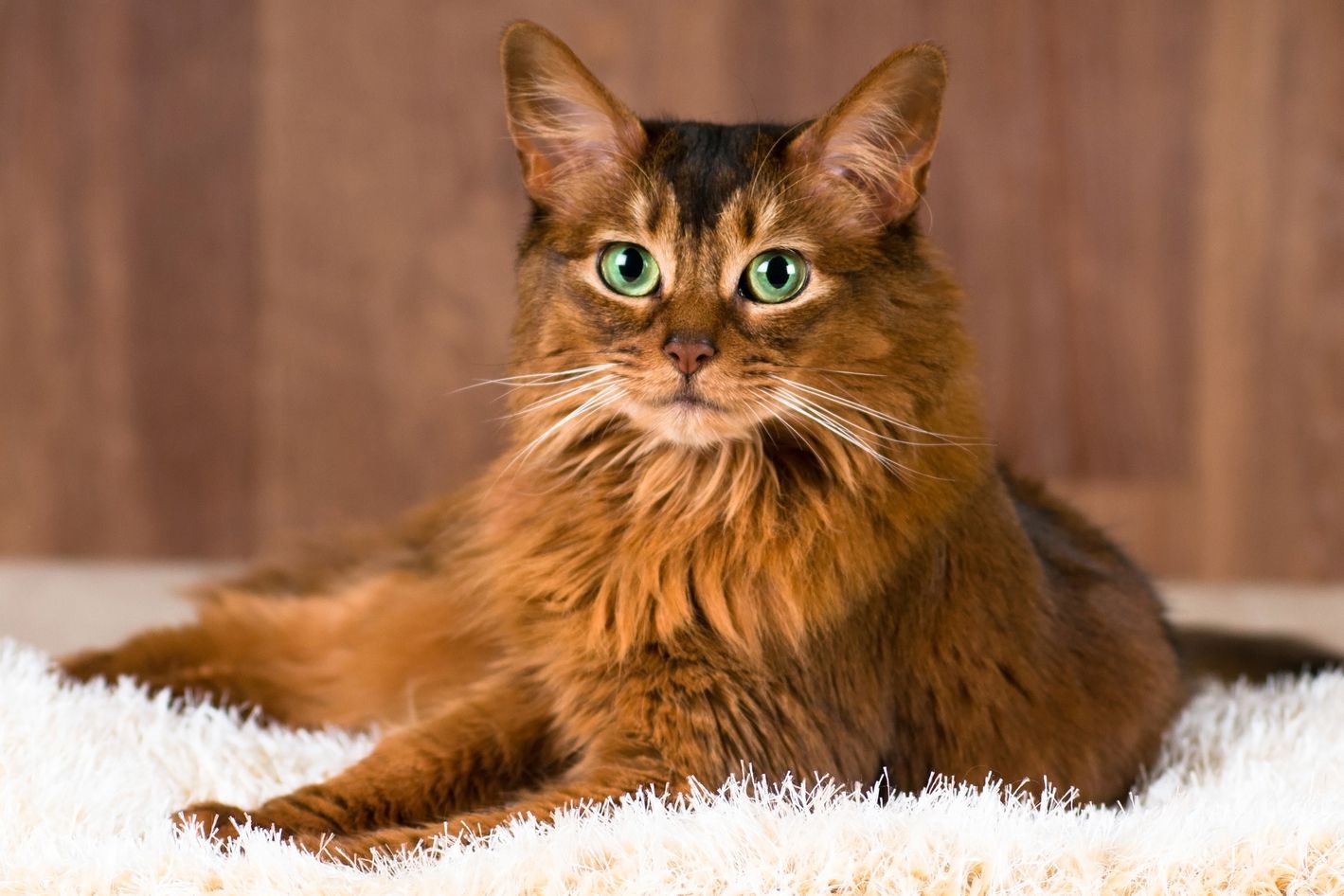
The Somali cat is often described as the “long-haired Abyssinian,” but its coat is one of its most striking features. Their “ticked” coat pattern is composed of individual hairs that are banded with different colors, giving the Somali a wild and exotic appearance. They come in several colors, with ruddy, red, blue, and fawn being the most common.
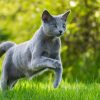
In addition to their beautiful coats, Somali cats are known for their athleticism, agility, and intelligence. They are extremely playful and enjoy interactive toys, puzzle games, and activities that allow them to show off their physical skills.
Somali cats are very affectionate and social animals. They thrive in environments where they can receive attention and engage with their family members. While they tend to be a bit more independent than some other breeds, they do not like being left alone for long periods. They are also quite vocal, though not excessively loud, and will often “chat” with their owners.
They are curious cats and love to explore their surroundings, so having plenty of vertical space, such as shelves or cat trees, is ideal for them. Somali cats are also known to be highly trainable and can learn tricks or commands with ease.
Care
Nutrition
A balanced diet is important to maintain the active lifestyle and health of a Somali cat. These cats have high energy levels and need a diet that supports their muscular build and active nature.
Protein: Somali cats require a high-protein diet to support their muscles and energy needs. Look for foods with chicken, turkey, or fish as the primary source of protein.
Healthy Fats: Omega-3 and Omega-6 fatty acids from fish oil and flaxseed are essential for maintaining their coat’s silky, soft texture.
Wet and Dry Food: Offering a mix of wet and dry food helps ensure hydration and provides variety to your Somali’s diet. Wet food can also help prevent urinary tract problems.
Hydration: Although Somali cats drink water well, always ensure they have access to fresh water at all times.
Monitor portion control and avoid overfeeding to prevent obesity, which can be an issue in some active breeds if their diet isn’t managed properly.
Grooming
Somali cats have a beautiful, medium-length coat that requires regular grooming to keep it looking its best. Their coat is soft and silky, and it tends to shed lightly, so they are relatively low-maintenance compared to some long-haired breeds.
Brushing: Regular brushing is recommended to remove loose hair and prevent tangles, especially during shedding seasons. Once a week should suffice, but more frequent brushing may be needed during spring and fall.
Bathing: Somali cats generally don’t need regular baths unless they get particularly dirty. When a bath is necessary, use a mild, cat-safe shampoo.
Ear and Eye Care: Check their ears regularly for dirt or wax buildup and wipe their eyes with a damp cloth if discharge is present.
Nail Trimming: Regular nail trims are important to keep your Somali cat’s paws in good shape.
Teeth Care: Somali cats benefit from regular teeth brushing. It’s good practice to start brushing their teeth from a young age to avoid dental issues later in life.
Their beautiful, silky coat may require more care during shedding seasons, but overall, Somali cats are relatively easy to groom.
Exercise
Somali cats are highly active and require plenty of exercise to stay happy and healthy. Their energetic and playful nature makes them an ideal choice for households that can provide plenty of stimulation.
Interactive Play: Somali cats love to play and will enjoy interactive toys such as feather wands, laser pointers, and puzzle feeders that challenge their minds.
Climbing and Exploration: Somali cats are natural climbers and enjoy exploring. Providing vertical spaces such as shelves or cat trees allows them to express this instinct.
Exercise Sessions: Somali cats enjoy regular play sessions throughout the day, and they often engage in running, jumping, and climbing activities that help keep them fit.
Outdoor Exploration: If safe and controlled, Somali cats can enjoy outdoor exploration in a secure yard or on a leash, which provides both mental and physical exercise.
Because they are so active, it’s essential to provide them with outlets for their energy to prevent boredom, which can lead to undesirable behavior.
Health
Somali cats are generally healthy and robust, but like all breeds, they are susceptible to certain conditions. Regular vet visits, a balanced diet, and plenty of exercise are essential to maintaining their health.
Hip Dysplasia: While not common, Somali cats can be prone to hip dysplasia, a hereditary condition that affects the joints and mobility. Routine vet checks can help monitor for any potential issues.
Progressive Retinal Atrophy (PRA): This is a hereditary eye condition that may lead to vision problems. PRA is more commonly found in Abyssinians but can occasionally affect Somalis as well.
Dental Issues: Somali cats are prone to dental issues like gingivitis or periodontal disease. Regular teeth brushing and annual vet dental check-ups will help keep their teeth and gums healthy.
Obesity: Given their active nature, Somali cats can gain weight if their exercise levels aren’t maintained. It’s important to monitor their diet and ensure they stay physically fit.
Overall, Somali cats are a healthy breed, but it’s essential to monitor for potential hereditary conditions and provide regular vet care.
History
The Somali cat is a descendant of the Abyssinian breed, which is one of the oldest known domestic cat breeds. Originating in East Africa, the Abyssinian breed has a long and storied history that dates back to ancient Egypt. The Somali cat, however, was developed in the 1960s in the United States and Canada through selective breeding of long-haired Abyssinians.
The Somali cat was created when Abyssinian cats with recessive longhair genes were selectively bred, resulting in a stunning long-haired version of the Abyssinian. Though the Somali shares many characteristics with the Abyssinian, including the characteristic “ticked” coat pattern, the Somali has a longer, plush coat.
The breed was officially recognized by the International Cat Association (TICA) in 1979, and it has gained popularity ever since due to its playful nature and striking beauty.