

Height
23 – 25 cm
Adult Weight
3,5 – 5,5 kg
Life Span
12 – 16 years
Origin
Canada
Personality and Temperament
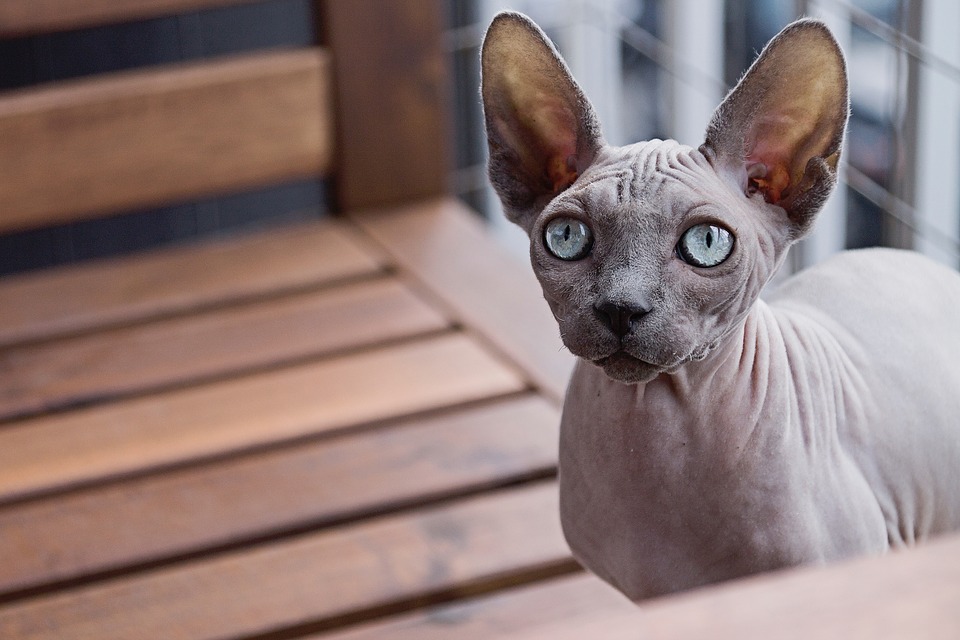
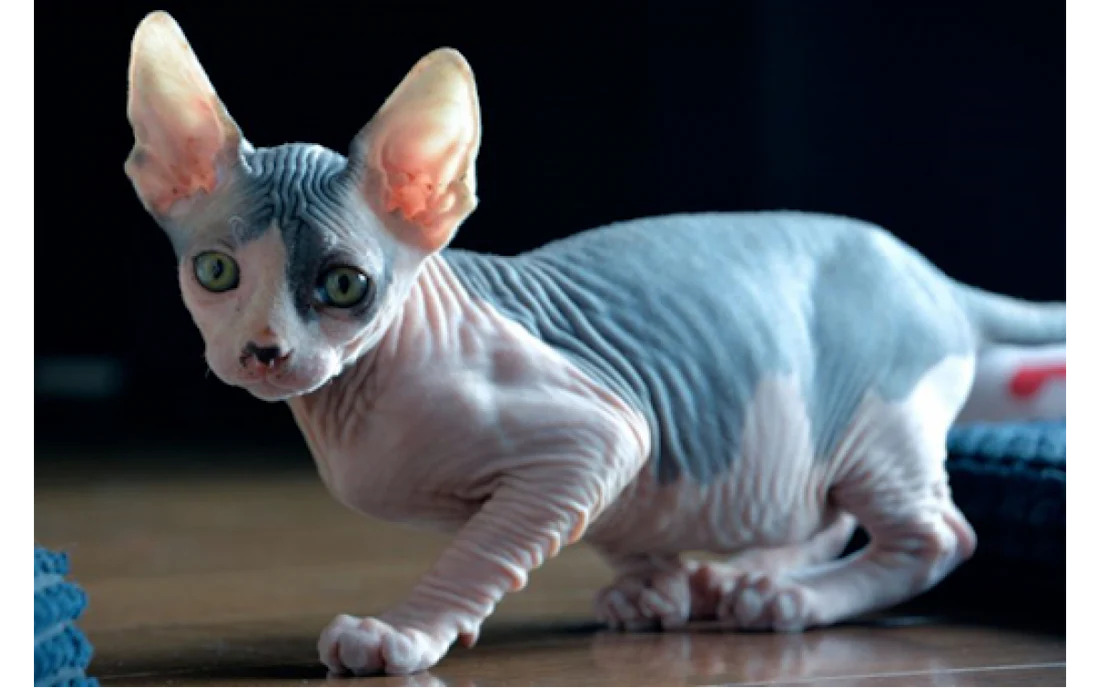
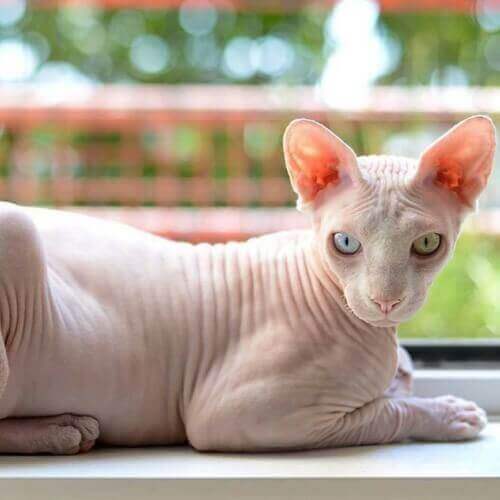
The Sphynx is perhaps best known for its distinctive lack of fur, though it actually has a fine, peach-fuzz-like texture on its skin. This gives the cat a soft and warm feel, unlike most other cats, which have fur. Their skin folds are one of their most unique features, creating the impression of a wrinkled, almost “alien-like” appearance, which only adds to their charm.
Despite their unusual look, Sphynx cats are well-known for their affectionate and friendly personalities. They are highly social and love being around their human companions. Sphynx cats are playful, energetic, and very curious, which makes them excellent pets for families or individuals who have the time and energy to engage with them.
These cats are not shy or aloof like some other breeds; they thrive on human attention and can even form strong bonds with one person. Sphynx cats are known for being dog-like in their attachment to their owners. They often follow their owners from room to room, and some even enjoy playing games like fetch!
Because they don’t have a coat to protect them from the sun, Sphynx cats must be kept indoors to avoid sunburn, and they should never be left outside in hot weather. Their lack of fur also makes them susceptible to cold, so they enjoy being in warm environments and often seek out cozy spots around the house.
Care
Nutrition
Sphynx cats have high energy levels and a fast metabolism, so they require a diet that supports their active lifestyle and unique body structure.
Protein: Sphynx cats require a high-protein diet to fuel their active bodies and maintain their muscular frame. Look for food with chicken, turkey, or fish as the main protein sources.
Healthy Fats: Fatty acids such as Omega-3 and Omega-6 are essential for maintaining their skin health and overall well-being. Fish oil is a great source of these nutrients and helps keep their skin soft and supple.
Calcium and Taurine: Because of their metabolism, Sphynx cats may require a higher intake of minerals like calcium and taurine, both of which are important for heart health, muscle function, and overall well-being.
Wet and Dry Food: A combination of wet and dry food is recommended for Sphynx cats. Wet food can help with hydration, while dry food can aid in dental health.
Hydration: Make sure your Sphynx has access to fresh water at all times, as dehydration can be an issue, especially for cats on a dry food-only diet.
Monitor portion control to avoid obesity, as Sphynx cats are known to have hearty appetites and can gain weight easily.
Grooming
Although the Sphynx cat is hairless, they still require regular grooming to keep their skin healthy and clean.
Bathing: Unlike most cats, Sphynx cats need frequent bathing because their skin produces oils that would normally be absorbed by their fur. Regular baths, about once a week, are recommended to remove oil buildup and keep their skin from becoming greasy or irritated. Use a mild, cat-safe shampoo that won’t strip their skin of natural oils.
Ear Care: Sphynx cats have large, prominent ears, and they are prone to earwax buildup. It’s important to clean their ears regularly with a cat-safe ear cleaner to prevent infections.
Nail Trimming: Regular nail trimming is essential for all cats, but especially for Sphynx cats, whose nails can grow quickly due to their active nature. Make sure to trim their nails every few weeks.
Skin Care: Sphynx cats benefit from gentle skin care. You can wipe down their skin with a soft, damp cloth between baths to remove any excess oils or dirt. Regular skin checks for any signs of irritation, rashes, or dryness are important.
Teeth Care: As with all cats, regular dental care is vital. Sphynx cats are prone to dental issues like gingivitis, so regular brushing with cat-safe toothpaste is recommended.
Exercise
The Sphynx is an incredibly active and energetic breed that needs regular exercise to stay healthy and happy.
Interactive Play: Sphynx cats love to play and engage with their human companions. They enjoy toys like feather wands, laser pointers, and interactive puzzle feeders that provide mental stimulation.
Climbing and Exploration: Like most cats, Sphynx cats love to climb. Provide them with cat trees, shelves, or scratching posts to satisfy their natural climbing instincts.
Physical Activity: Sphynx cats have boundless energy and need to burn off that energy regularly. Interactive play sessions are essential to keep them active and engaged.
Leash Training: Some Sphynx owners train their cats to walk on a leash, allowing them to explore safely outdoors. If you decide to let your Sphynx outside, always use a harness and leash to protect them from the elements.
Sphynx cats love human interaction, so engaging them in daily play is essential to keeping them fit and mentally stimulated.
Health
Sphynx cats are generally healthy, but like all breeds, they can be prone to certain health conditions. Their lack of fur doesn’t make them immune to all the typical cat health issues, and they require regular vet visits and health checks.
Heart Issues: Sphynx cats can be prone to hypertrophic cardiomyopathy (HCM), a condition that affects the heart muscle. Regular heart screenings and monitoring are essential for early detection.
Skin Conditions: Because they lack fur, Sphynx cats can be more susceptible to skin infections, rashes, and irritations. Keeping their skin clean and moisturized is essential to prevent problems.
Cold Sensitivity: Without fur to protect them, Sphynx cats are highly susceptible to the cold. They should never be left outside in cold weather and should be kept in a warm, indoor environment.
Obesity: Due to their hearty appetites and fast metabolism, Sphynx cats can be prone to obesity if overfed. Portion control and regular exercise are important to maintain a healthy weight.
With proper care, regular vet visits, and a good diet, Sphynx cats can live long, healthy lives.
History
The Sphynx cat originated in Canada in the 1960s. The breed’s creation was unintentional, as a hairless kitten named Prune was born to a domestic shorthair cat. This kitten, Prune, had a unique genetic mutation, and breeders began to selectively breed Prune’s offspring with domestic cats, eventually leading to the creation of the modern Sphynx cat.
While the Sphynx is best known for its hairlessness, it is not the only hairless breed; however, it is the most recognized. The breed’s genetic mutation is recessive, meaning both parents must carry the gene for hairlessness to produce hairless kittens.
Sphynx cats were officially recognized by The International Cat Association (TICA) in 1979, and the breed has become quite popular in recent decades due to its friendly nature and unique appearance.