

Height
20–28 cm (at shoulder)
Adult Weight
3.6–5.7 kg
Life Span
12–15 years
Origin
Isle of Man
Personality and Temperament
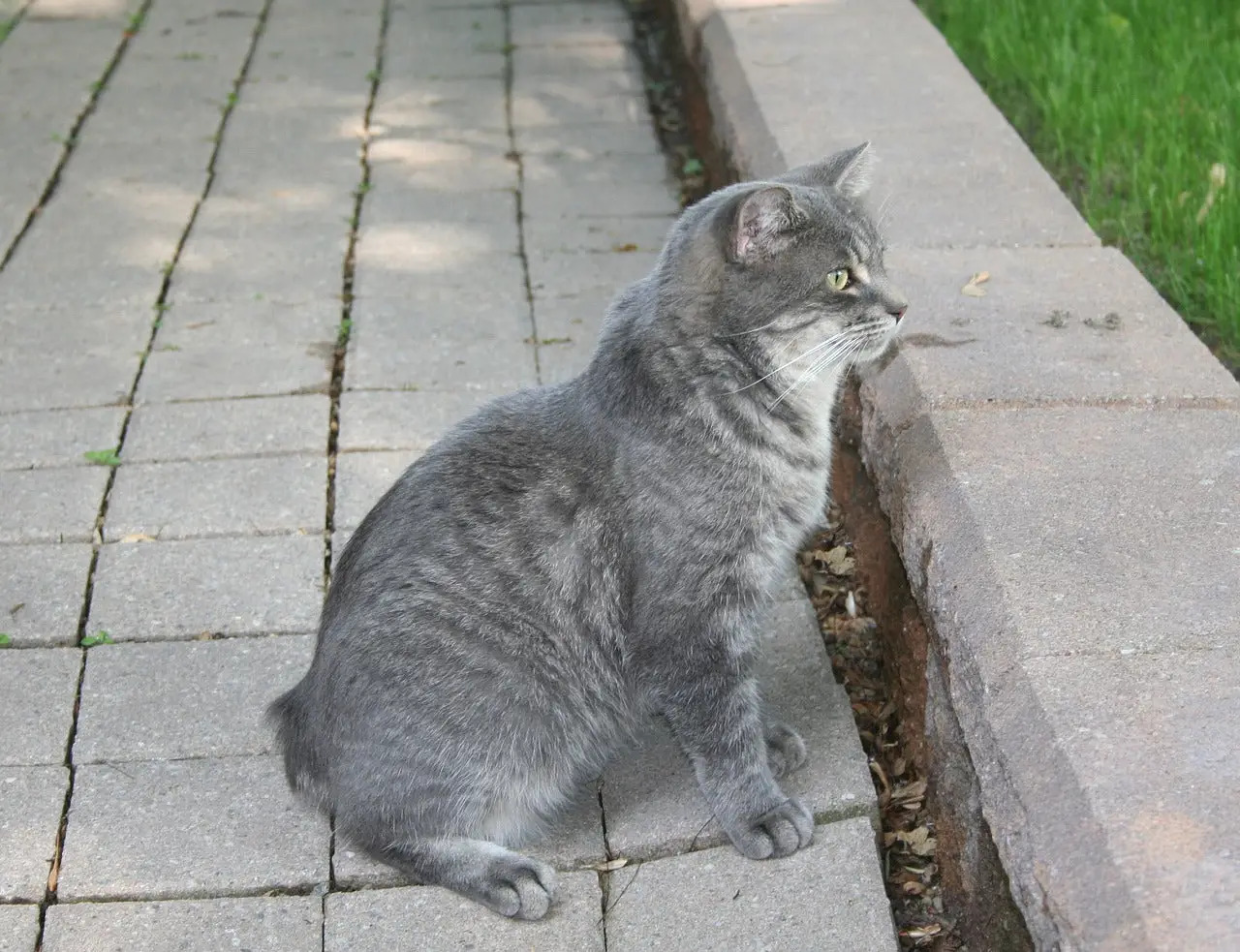
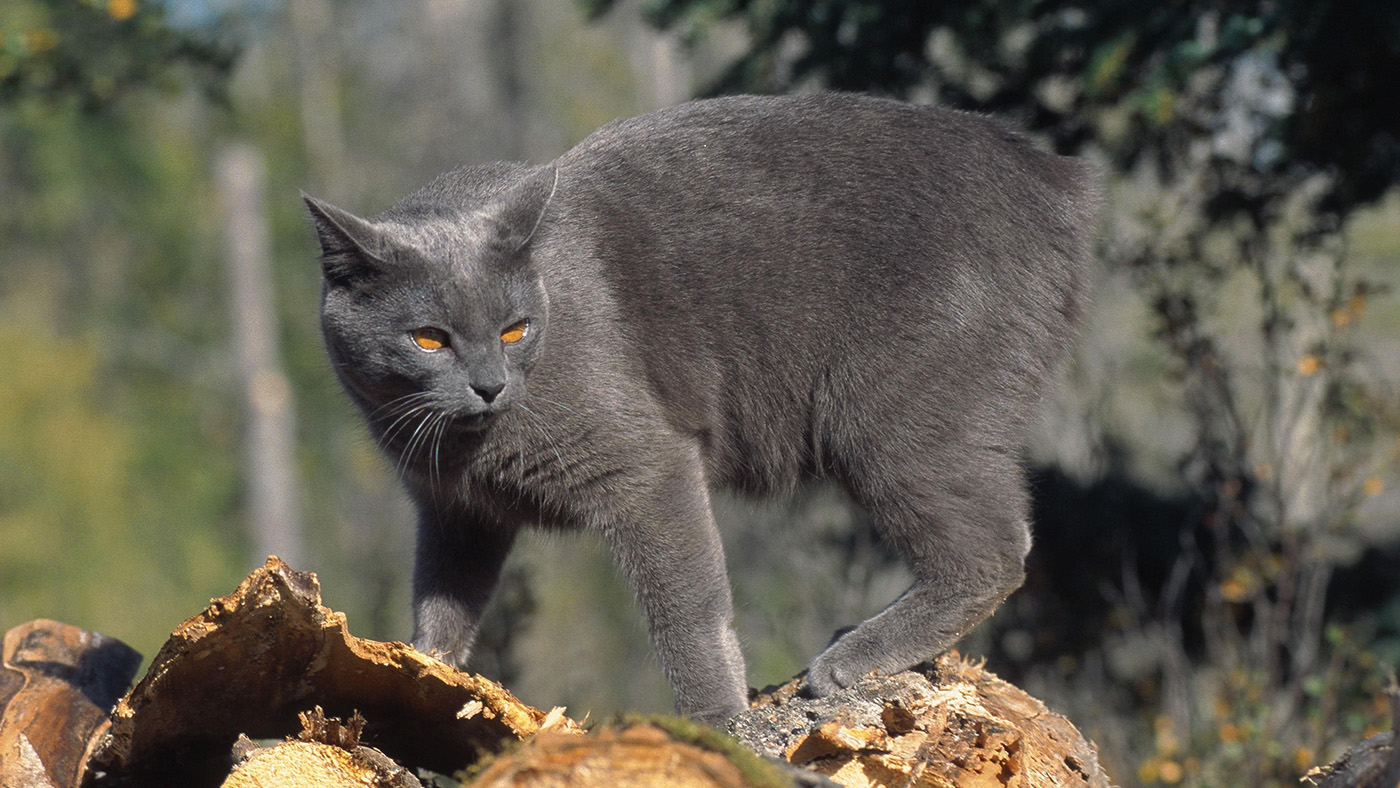
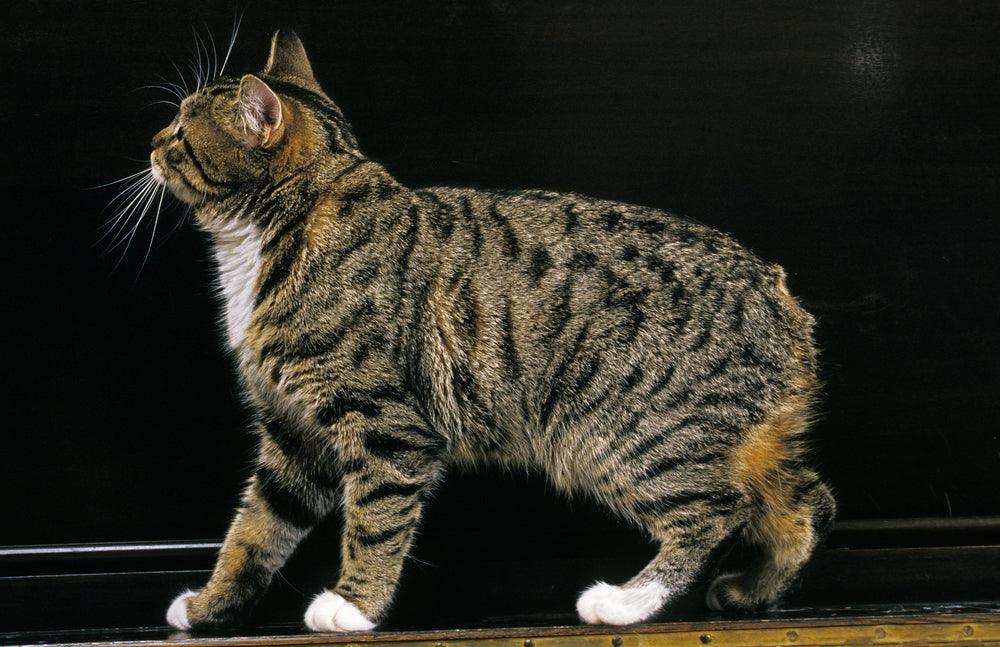
The Manx cat, originating from the Isle of Man, is most famously recognized for its lack of a tail—a genetic mutation that defines the breed. Despite its distinctive appearance, the Manx possesses a delightful temperament that makes it a beloved family pet.
These cats are a naturally occurring breed that has been selectively bred over time to solidify their tailless trait and predictable, dog-like personality. They are often described as being loyal, intelligent, and highly playful.
Manx cats thrive on interaction and often follow their favorite humans from room to room. They are known to quickly learn simple commands, enjoy games of fetch, and possess an innate fascination with water. While they are affectionate and enjoy being close to their families, they are generally not excessively clingy and are usually quiet, using soft meows or chirps to communicate. Their robust and adaptable nature makes them excellent companions for active households, though they need plenty of environmental enrichment to satisfy their curiosity.
Care
Nutrition
Manx cats do not have unique dietary restrictions; however, maintaining a healthy weight is important for this breed. Their compact, rounded body structure means that excess weight can put undue strain on their spine and hindquarters. It is essential to provide a high-quality, protein-rich diet appropriate for their life stage. Due to their tendency to sometimes carry a bit of extra weight, careful portion control and consistent monitoring of their body condition are necessary throughout their lives.
Grooming
The Manx cat comes in both short-haired (standard Manx) and long-haired (Cymric) varieties, both featuring a double coat that is dense and plush.
The standard Shorthair Manx requires moderate grooming, typically two to three brushings per week, to manage shedding and prevent the dense undercoat from matting.
The Longhair Manx (Cymric) requires more frequent grooming, often daily or every other day, to keep its longer coat smooth and tangle-free.
Regular grooming sessions are essential for coat health and also provide valuable time for the Manx to bond with its owner.
Exercise
The Manx cat is characterized by a strong, playful, and energetic streak that requires sufficient outlets for physical and mental energy. They are known for their exceptional jumping ability, often leaping to great heights. Owners must encourage daily activity through:
Interactive Play: Use laser pointers, wand toys, and toys that mimic prey to satisfy their hunting instincts.
Vertical Space: Provide sturdy, tall cat trees and ample climbing opportunities.
Agility: Due to their intelligence, many Manx cats enjoy solving puzzle feeders or even simple agility courses, which keeps them mentally sharp.
Consistent exercise is key to preventing boredom and maintaining the lean, athletic condition of their muscular hindquarters.
Health
The Manx is generally a healthy breed, though its defining feature—the lack of a tail—is linked to specific health considerations. The taillessness is caused by a dominant genetic mutation that affects the spine.
Manx Syndrome: This is the most serious concern, occurring when the gene responsible for the taillessness affects the tail and the spine beyond what is normal. Symptoms can include fused vertebrae, spina bifida, and issues with the bowels and bladder. Responsible breeders will not breed “rumpy-to-rumpy” (two completely tailless cats) to minimize this risk.
Breeder Screening: Prospective owners must ensure the breeder carefully monitors all kittens for signs of Manx Syndrome and provides health guarantees. Manx cats can be shown in five categories, from completely tailless (Rumpy) to having a short tail (Longy).
With responsible breeding, many Manx cats live long, healthy lives, but buyers must be vigilant about purchasing from breeders who prioritize spinal health.
History
The history of the Manx cat is shrouded in legend and maritime folklore, placing its origins firmly on the Isle of Man in the Irish Sea. The mutation that caused the lack of a tail is believed to have arisen spontaneously among the island’s domestic cat population centuries ago. Due to the island’s isolated nature and small gene pool, the dominant trait rapidly spread.
Local legends abound, including stories of the cat arriving on ships from the Spanish Armada and even a tale that it lost its tail because Noah slammed the ark door on it. Realistically, the mutation likely became common because it was not disadvantageous for survival on the island and was passed down naturally.
The Manx cat was recognized as a distinct breed very early in the history of cat fancy. They were featured prominently in the first cat shows and were included in the first cat registries. The Manx was one of the original show cats and was formally recognized by the Cat Fanciers’ Association (CFA) in 1908.
Despite being a naturally occurring breed, it was developed through careful breeding to emphasize its sturdy build, dense coat, and, of course, the signature tailless appearance. Today, the Manx is celebrated globally not only for its unique physical trait but also for its intelligence and loving nature.