

Height
23–30 cm (at shoulder)
Adult Weight
5.5–8.0 kg
Life Span
14–16 years
Origin
Norway
Personality and Temperament
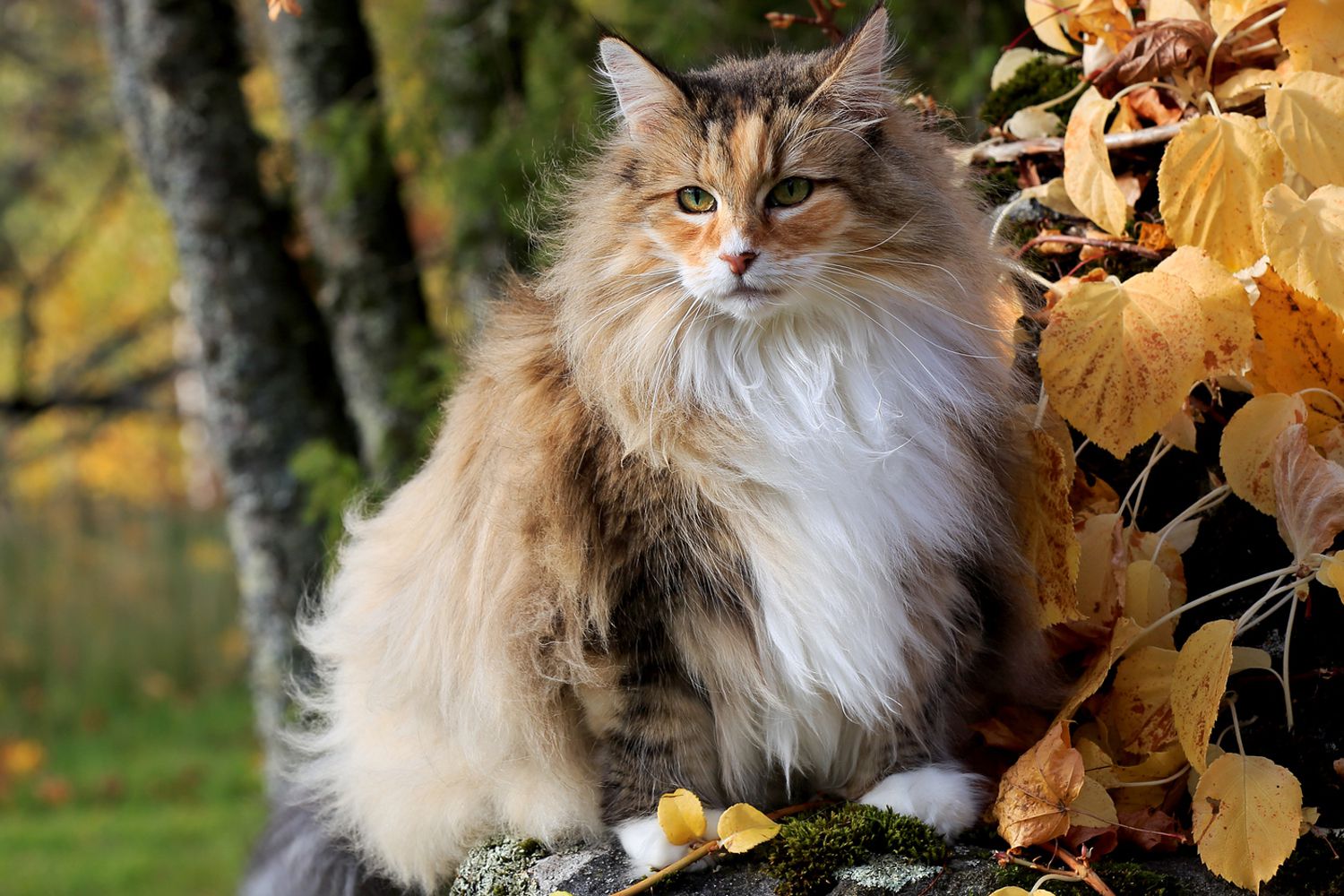
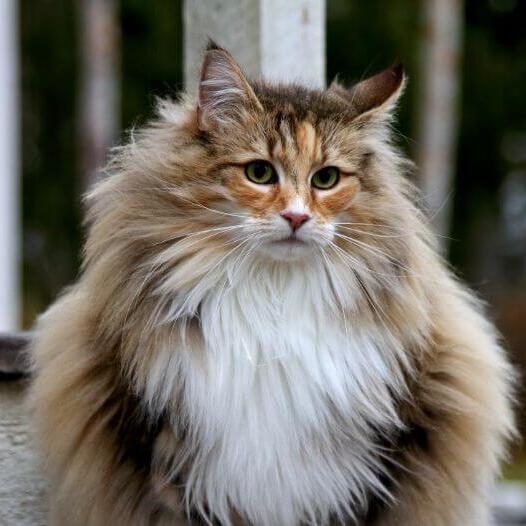
The Norwegian Forest Cat, or ‘Norsk Skogkatt,’ is a large, hardy breed originating from the harsh climates of Norway. Known for its luxurious, thick double coat and its impressive size, the breed combines a robust, semi-feral appearance with a gentle and highly affectionate personality.
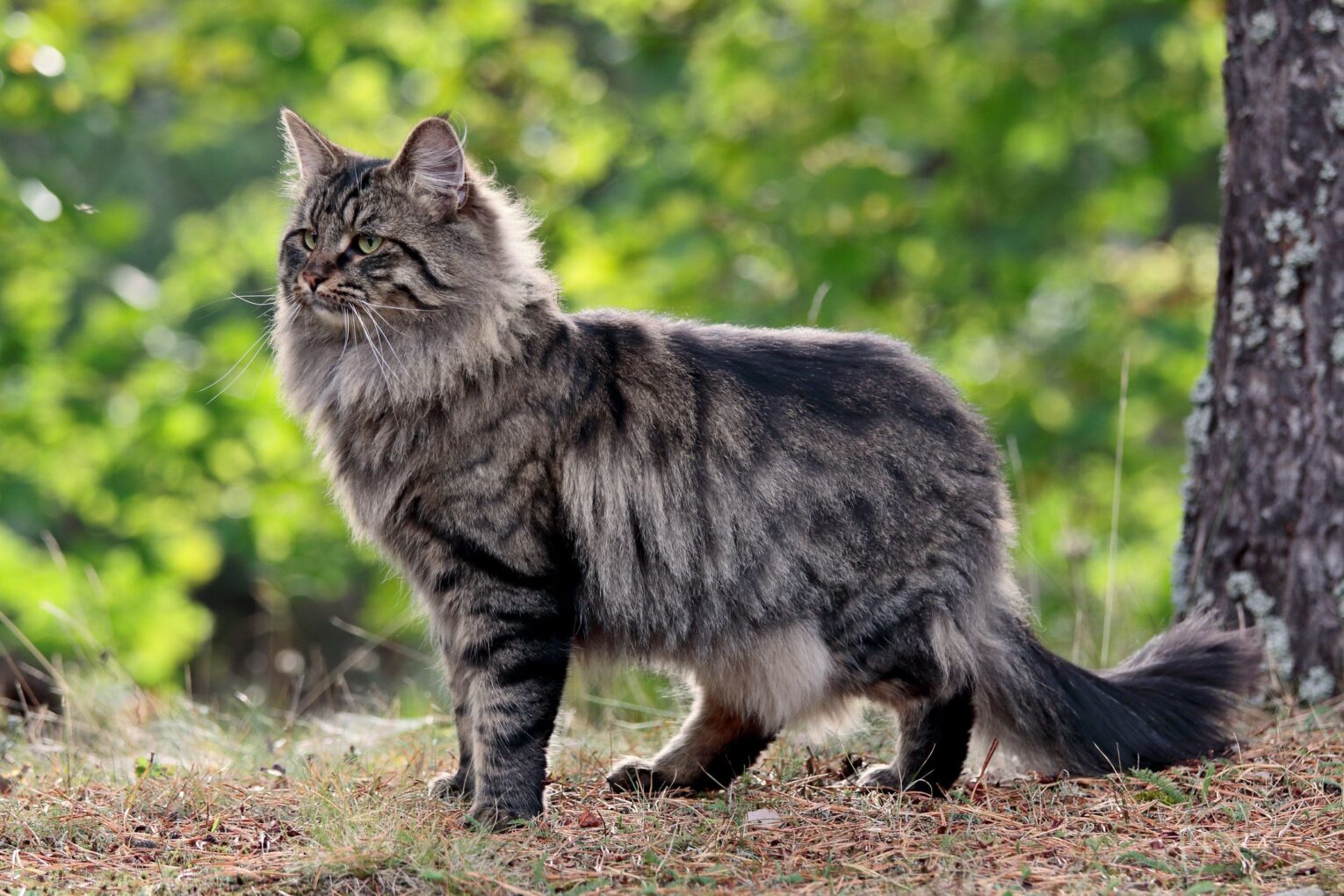
These cats are descended from farm and forest cats that adapted naturally to the severe Scandinavian environment. They possess a long, water-resistant coat and large paws with tufts of fur that act like snowshoes.
Forest Cats are often described as “dog-like” in their devotion and social nature. They enjoy being near their human companions, often preferring to sit next to them rather than directly on their laps. They are intelligent, highly playful, and maintain a curious, active streak well into their senior years. While they enjoy interaction, they are not typically demanding or overly vocal. Their quiet confidence and adaptability make them excellent companions for respectful families.
Care
Nutrition
Norwegian Forest Cats have no specific nutritional demands; however, their large size, muscular build, and long developmental period require a consistently high-quality diet. It is essential to provide a diet that is high in protein to support their muscle mass. Because they are large, owners should be mindful of their portions to prevent excessive weight gain, which can strain their joints. Owners should monitor their growth, as this breed can take up to five years to reach full physical maturity.
Grooming
Caring for the Forest Cat’s coat is a significant commitment. They possess a double coat designed to shed water and insulate against cold, featuring a woolly undercoat and long, coarse, glossy guard hairs.
During most of the year, the coat requires two to three thorough brushings per week to prevent tangles and mats.
During seasonal shedding periods (spring and autumn), daily brushing is essential to manage the immense amount of shedding undercoat.
Regular grooming is crucial not only for coat health but also to prevent hairballs, given the volume of fur they possess.
Exercise
The Norwegian Forest Cat is a naturally active, agile, and curious breed that requires sufficient physical outlets. They are powerful climbers and enjoy heights. Their activity requirements include:
Climbing: They must have access to very tall, sturdy cat trees or wall-mounted perches to satisfy their need for vertical exploration.
Interactive Play: Daily play sessions are necessary to burn off energy. They enjoy games that mimic hunting, such as chasing wands or retrieving tossed toys.
Mental Stimulation: Puzzle feeders and rotation of toys help keep their high intelligence engaged, preventing boredom.
Consistent activity is vital for maintaining their muscular physique and mental well-being.
Health
The Norwegian Forest Cat is a genetically sound and hardy breed that generally enjoys excellent health. However, like many large breeds, they can be predisposed to specific genetic conditions.
Hypertrophic Cardiomyopathy (HCM): A common form of heart disease in felines.
Glycogen Storage Disease Type IV (GSD IV): A rare, severe inherited disorder that affects the metabolism of glucose.
Responsible breeders can screen their breeding stock for both conditions. Prospective owners should ensure the breeder has tested parents for GSD IV and performed regular cardiac screenings (echocardiograms) for HCM to minimize risk in the kittens. With good care, the Forest Cat is known for its impressive longevity.
History
The history of the Norwegian Forest Cat is interwoven with Norse folklore and legend. It is believed to have originated in Norway centuries ago, where it adapted to the extreme northern climate. Early records suggest the breed was known as early as the 16th century. The breed is mentioned in Norse mythology, where large, long-haired cats are described pulling the chariot of the goddess Freya.
These working cats were essential companions on Viking longships and farms, controlling pest populations. Their evolution was purely natural, resulting in the breed’s signature features: a dense, double-layer coat, a large ruff, and a muscular body structure.
The breed nearly became extinct during the Second World War due to cross-breeding and a general decline in cat breeding. A dedicated effort by Norwegian cat fanciers in the 1930s and particularly in the 1970s saved the breed. A formal breeding program was established, and King Olav V of Norway declared the breed the national cat of Norway.
The Norwegian Forest Cat was introduced to the United States in 1979 and achieved full championship recognition from The International Cat Association (TICA) in 1984 and the Cat Fanciers’ Association (CFA) in 1993. Today, the breed is treasured globally for its impressive stature and affectionate temperament.