

Height
20–28 cm (at shoulder)
Adult Weight
4.5–6.8 kg
Life Span
10–15 years
Origin
United States
Personality and Temperament
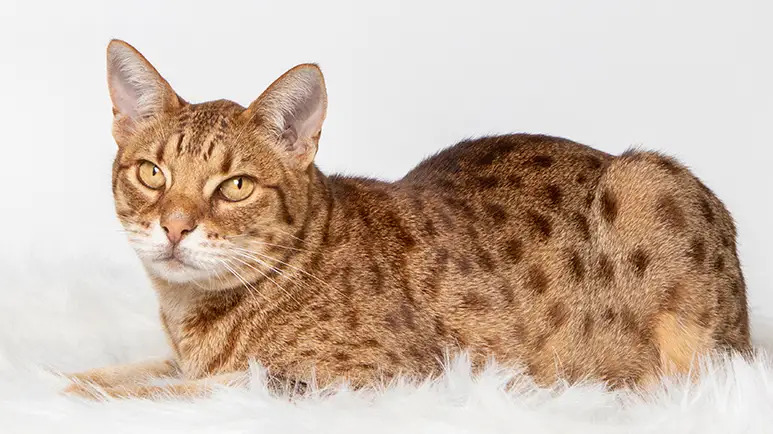
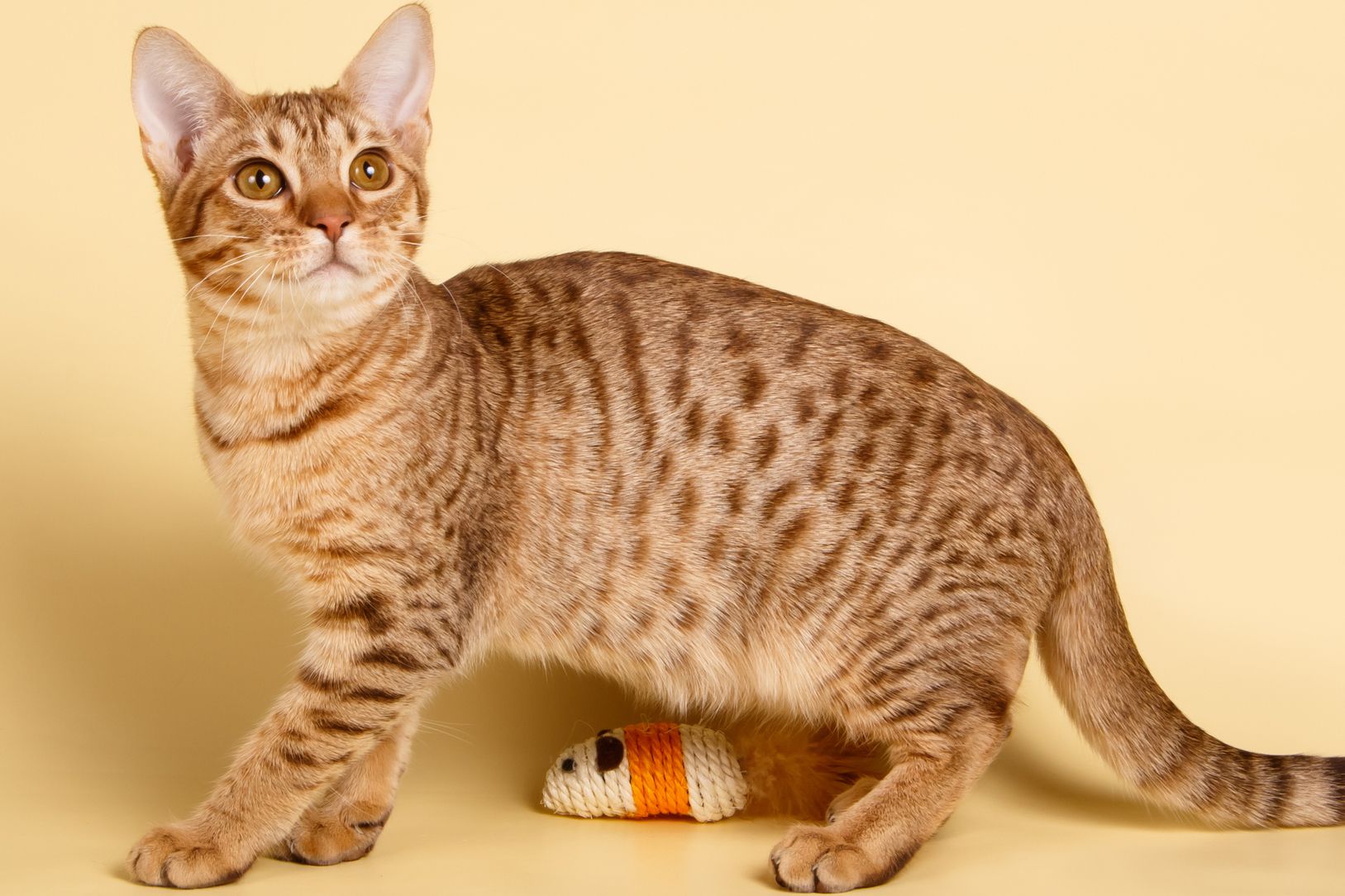
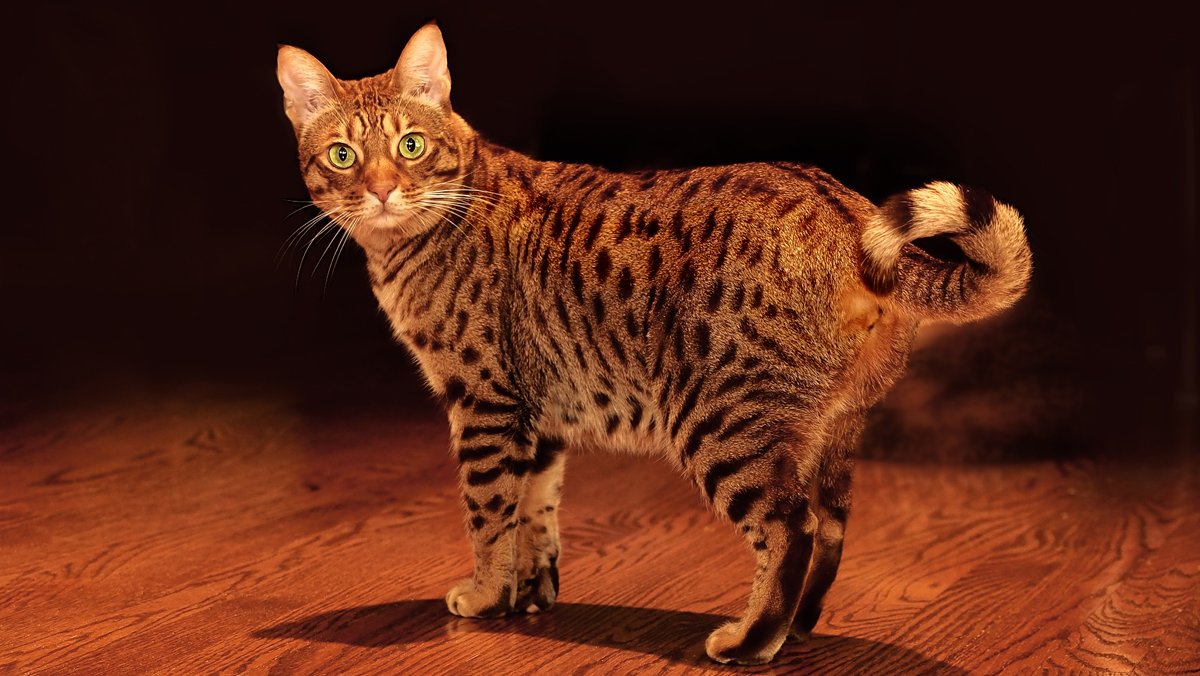
The Ocicat is a uniquely spotted breed that was created to resemble the wild Ocelot, yet it possesses an entirely domestic and affectionate temperament. This is a people-oriented cat that is known for being extremely outgoing, social, and intelligent.
The breed was developed through a fascinating mix of three domestic breeds: the Abyssinian, the Siamese, and the American Shorthair. The result is a cat with the athletic build of the Abyssinian, the social nature of the Siamese, and the robust health of the American Shorthair.
Ocicats thrive on interaction and are often described as having a dog-like personality. They are known to learn commands, can be easily trained to walk on a leash, and often play fetch. They are highly active and curious, maintaining a playful demeanor well into adulthood. Unlike many cats, they generally welcome strangers and are rarely shy. They do require significant attention; owners should be prepared to spend quality time playing and engaging with their Ocicat to satisfy its high need for social interaction.
Care
Nutrition
Ocicats have no special nutritional needs; however, given their lean, muscular, and athletic physique, providing a consistent, high-quality diet is crucial. It is important to offer a diet that is high in protein to support their excellent muscle tone and energy levels. While they are highly active, owners should still monitor their portions to maintain their fit, streamlined body condition, as excessive weight will detract from their natural athleticism.
Grooming
Caring for the Ocicat’s coat is exceptionally simple. They possess a short, smooth, and close-lying coat that is naturally easy to manage.
The coat requires only minimal grooming, typically just one quick brushing per week, to remove loose hairs and enhance the remarkable luster and clarity of their spotted pattern.
Regular grooming is low-effort and provides an easy opportunity for bonding, which the social Ocicat greatly appreciates. Since they shed minimally, they are an excellent choice for individuals who prefer less pet hair around the house.
Exercise
The Ocicat possesses a substantial active streak and high intelligence that necessitates regular and engaging exercise. They are natural climbers and jumpers, requiring sufficient vertical territory to explore. Their exercise regimen should include:
Interactive Games: Daily, intense play sessions are vital. They excel at games of fetch and enjoy toys that challenge their minds.
Agility and Training: Their intelligence makes them ideal candidates for simple agility training or learning complex tricks. Leash training for supervised walks is highly recommended to satisfy their curiosity and need for exploration.
Environmental Enrichment: Providing plenty of climbing structures, puzzle feeders, and robust toys will prevent boredom and satisfy their inquisitive nature.
Consistent physical activity is essential to maintain their excellent muscle tone and psychological well-being.
Health
The Ocicat is considered a robust and resilient breed dueing to its diverse genetic foundation. Generally, they enjoy excellent health and a good life expectancy. However, because of their Abyssinian lineage, there are a couple of health issues that are occasionally monitored:
Renal Amyloidosis: A rare condition affecting the kidneys.
Pyloric Stenosis: A gastrointestinal blockage, though rare.
Responsible breeders conduct general screenings and should be transparent about the health history of their lines. Prospective owners should ensure they choose a breeder who prioritizes genetic diversity and overall feline health, adhering to strict vaccination and deworming protocols. With regular veterinary care, Ocicats typically maintain their robust health throughout their life.
History
The history of the Ocicat is a fascinating example of accidental creation in the United States. The breed originated in 1964 in Michigan, when a breeder, Virginia Daly, attempted to breed an Abyssinian-pointed Siamese. The resulting litter produced an unexpected female kitten with ivory fur and distinctive golden spots, which she named “Tonga.” Tonga was the first Ocicat.
Daly’s daughter humorously nicknamed the kitten an “Ocicat” because of its resemblance to the wild Ocelot. Initially, Tonga was spayed and sold as a pet, but the unique spot pattern was so striking that breeders decided to recreate it.
To create the sturdy, spotted cat we know today, the initial Abyssinian and Siamese cross was intentionally bred with the American Shorthair to increase bone size and introduce the desirable silver color. This three-way cross created a large, solid cat that still maintained the Abyssinian’s graceful agility and the Siamese’s devotion.
The Ocicat gained popularity for being an exotic-looking cat with a purely domestic personality. It was officially recognized by the Cat Fanciers’ Association (CFA) in 1987 and is now recognized by all major cat associations globally. The Ocicat is celebrated worldwide for its wild beauty combined with its affectionate, dog-like temperament.