

Height
35–43 cm (at shoulder)
Adult Weight
5.5–11.5 kg
Life Span
12–20 years
Origin
United States
Personality and Temperament
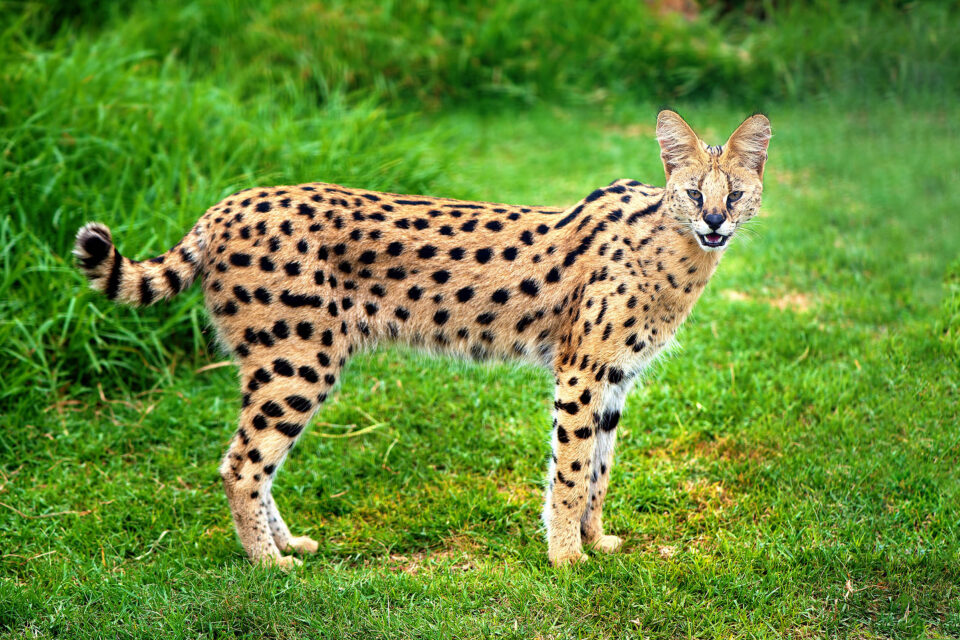
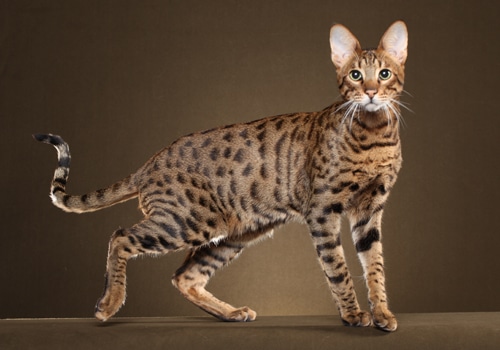
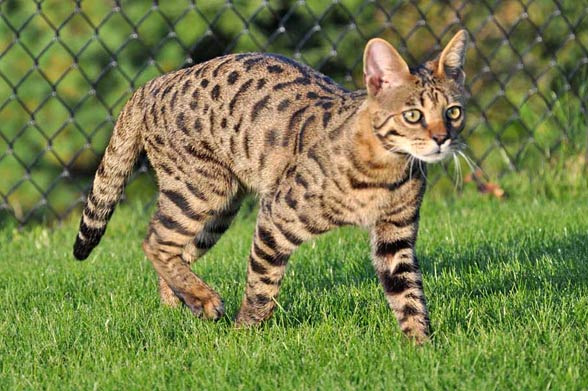
The Savannah Cat is a unique hybrid breed, developed by crossing a domestic cat with a wild Serval. Known for its imposing stature, tall ears, and distinctive spotted coat, the breed successfully combines an exotic, wild appearance with a temperament that is highly domestic, social, and intelligent.
These cats are known for their high energy, curiosity, and boundless confidence. They form deep, often dog-like bonds with their human families and are usually exceptionally outgoing. They are not typically shy and often greet guests with enthusiasm.
Savannahs are famous for their remarkable intelligence and their ability to learn tricks, solve complex puzzles, and even open cabinets and doors. They often enjoy playing fetch and can be easily trained to walk on a leash. Unlike most domestic cats, Savannahs have an affinity for water. Due to their high energy levels and need for constant engagement, they are not suitable for sedentary households or owners who cannot dedicate significant time to playtime and mental stimulation.
Care
Nutrition
Savannah Cats, particularly the earlier generations (F1 and F2), may have specific dietary considerations due to their Serval heritage. While later generations (F4 and beyond) can often thrive on a high-quality commercial diet, it is essential to provide a diet that is high in animal protein and low in grains. Many owners choose to feed a raw or primarily meat-based diet to mimic the natural diet of their wild ancestors. Due to their lean, muscular build and high metabolism, they are generally not prone to obesity, but owners should still monitor their portions and ensure consistent access to fresh water.
Grooming
Caring for the Savannah Cat’s coat is relatively easy. They possess a short, dense, and soft coat that lies close to the body, adorned with bold, contrasting spots.
Their coat requires only minimal grooming, typically one gentle brushing per week, to remove loose hairs and maintain the coat’s natural luster and healthy appearance.
Savannahs are light shedders. Regular grooming sessions are an excellent opportunity for bonding, which is crucial for this highly social and attention-seeking breed.
Exercise
The Savannah Cat is defined by its extraordinarily high energy level, keen intelligence, and need for intense physical activity. These cats require substantial mental and physical outlets. Owners must commit to:
Vertical Space and Jumping: Savannahs are exceptional jumpers and climbers. They require very tall, sturdy climbing structures and secure vertical territory to explore.
Interactive Play: Daily, vigorous play sessions are mandatory. They thrive on challenging games, puzzle feeders, and activities that involve problem-solving.
Leash Training and Walks: Leash training is highly recommended, as supervised outdoor walks satisfy their innate curiosity and need for exploration in a safe manner.
Consistent, high-quality exercise is vital to prevent boredom, which can lead to destructive behaviors like excessive scratching or exploring areas they shouldn’t.
Health
The Savannah Cat is generally considered a healthy and hardy breed. Due to the nature of their hybrid origin, their lifespan tends to be long. However, several health considerations related to their hybrid status should be noted:
Gestation Period: Early generations (F1-F3) often have a longer gestation period than domestic cats (averaging 75 days vs. 65 days), which requires specialized veterinary knowledge if breeding.
Fertility: Male Savannahs are often infertile until the F5 generation.
Dietary Needs: Their need for a high-protein, specialized diet must be carefully managed to avoid digestive issues.
Prospective owners should only purchase from reputable breeders who provide comprehensive health records and ensure that the kittens are socialized from a very young age. With proper care and diet, Savannahs are known for their longevity and robust health.
History
The history of the Savannah Cat is modern and highly intentional, originating in the United States in 1986. The breed was created when a domestic Siamese cat was successfully crossbred with an African Serval (a medium-sized, wild African cat) by breeder Judee Frank. The resulting female hybrid kitten was named “Savannah.”
The goal of the development program was to create a cat with the impressive size and exotic, spotted look of the Serval, but with the gentle and predictable temperament of a domestic cat. Subsequent generations involved crossing these early hybrids back with domestic cats (such as the Oriental Shorthair and Egyptian Mau) to stabilize the type and temperament.
The Savannah Cat quickly captured attention for its striking appearance and engaging personality. It gained official recognition from The International Cat Association (TICA) in 2001 and was granted championship status in 2012.
The breed is categorized by its filial generation (F1, F2, F3, etc.), which indicates how closely related the cat is to its Serval ancestor. F1-F3 generations are typically larger and closer to the original Serval. Today, the Savannah is highly sought after globally for its athletic physique, dramatic spotted coat, and playful, dog-like devotion.