

Height
20 – 25 cm
Adult Weight
2,5 – 4.5 kg
Life Span
10-12 years
Origin
Russia
Personality and Temperament
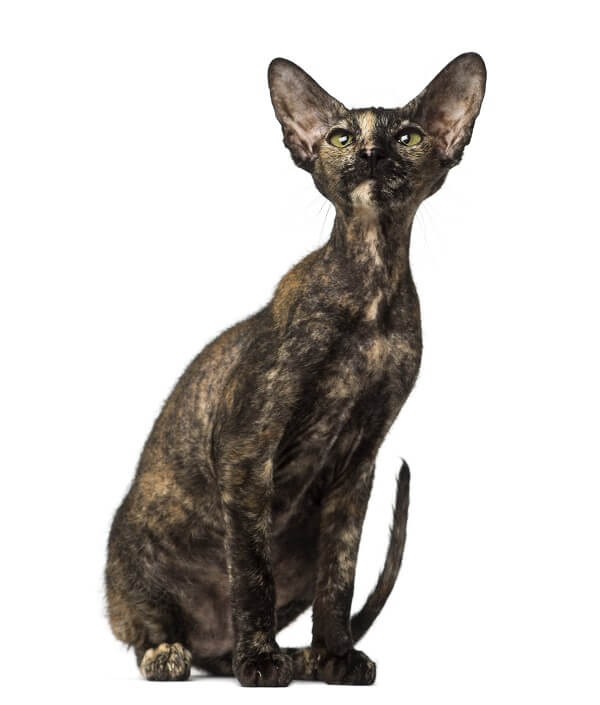
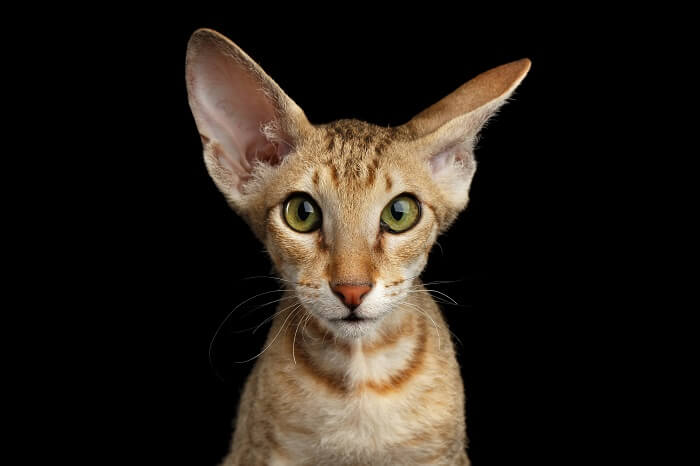
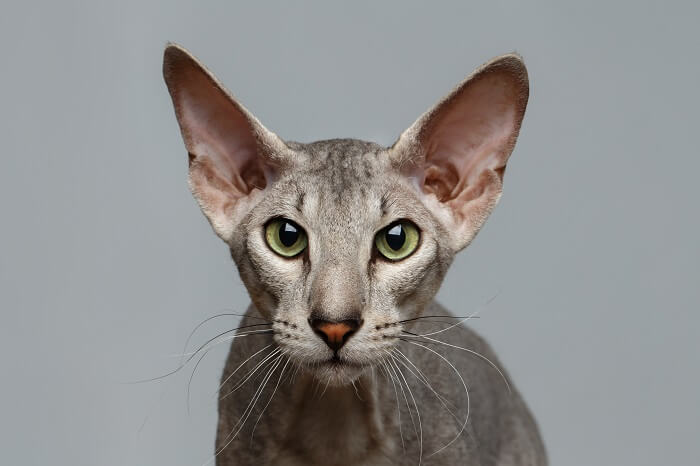
When you cross an Oriental Shorthair with a Donskoy cat, you get the delightful Peterbald—a breed that combines playful energy, unique looks, and a heart full of affection. These cats are known for their distinct, almost whimsical appearance, and their personalities are equally charming.
Peterbalds are incredibly loyal, often compared to dogs because of their deep affection for their humans. They form strong bonds with their family members and are known to follow their owners around, always wanting to be involved in whatever’s going on.
Social and outgoing, Peterbald cats are likely to greet guests with a warm welcome rather than hiding in the shadows. However, because they are so social, they don’t enjoy being left alone for long periods. It’s important to provide them with constant companionship. Luckily, Peterbalds don’t require human companionship exclusively—they’re very similar to their Oriental Shorthair relatives in that they can form strong bonds with other pets, including cats and even dogs. So if you have other animals, they’ll be more than happy to make new friends!
Care
Nutrition
Peterbald cats don’t have any unique nutritional needs, but like all cats, they thrive on a high-quality diet that prioritizes real meat or fish as the first ingredient. Because they’re so active and playful, they may require a little more food than the average cat to keep up with their energy levels. Make sure to adjust their portions based on their activity, ensuring they get the calories they need to stay healthy and maintain their lively, spirited personalities!
Grooming
Like all other hairless cats, the Peterbald requires occasional bathing. This is necessary because there is not enough hair to absorb all of the oils the skin produces. Excess oil attracts dirt, leading to irritation and odor. A gentle shampoo and a warm, soft place to dry are two essentials Peterbald cat families will want to have on hand.
Exercise
You will not have to encourage the Peterbald cat to play! These frolicsome kitties retain their youthful exuberance well into adulthood and are always ready to have fun with a friend or on their own. A tall cat tree is essential, as are scratching posts and a basket full of toys. Peterbald families will want to make sure that these cats always have something appropriate to amuse themselves with; without cat-friendly essentials, these kitties will make their own fun, often with items that their human friends would rather leave on a high shelf or in a drawer.
Health
Peterbald cats are generally healthy, but like any breed, they can be susceptible to certain conditions. One such issue is feline ectodermal dysplasia, a skin condition that can cause discomfort. Even without this condition, Peterbalds are more prone to injury due to their delicate skin, especially if subjected to rough play by children, other competitive cats, or overly eager dogs. These cats require gentle handling and should be kept safe from extreme weather conditions. Due to their lack of a protective coat, they’re particularly vulnerable to sunburn, windburn, and other skin ailments that can occur with prolonged exposure to the elements. It’s important to ensure they’re kept indoors or shielded from harsh conditions, and if they do go outside, applying a pet-safe sunscreen can help protect their sensitive skin.
History
In 1994, a breeder from St. Petersburg, Russia, named Olga Mironova, set out to create a unique new breed by combining the best traits of two of her favorite cats. She successfully crossed a hairless Donskoy with an Oriental Shorthair, resulting in a cat that looked somewhat like the Sphynx, but was genetically closer to the Oriental Shorthair with a hair-loss gene.
The new breed, later named Peterbald, was accepted by the Russian Selectional Feline Federation (SFF) in 1996. The breed earned recognition from The International Cat Association (TICA) in 1997, followed by acceptance from the World Cat Federation (WCF) in 2003, and the American Cat Fanciers Association (ACFA) in 2008.
Despite its growing popularity due to its charming personality, the Peterbald remains relatively rare compared to more established breeds. Still, it’s steadily gaining fans worldwide for its distinctive appearance and loving, playful nature.