

Height
23 – 28 cm
Adult Weight
4,5 – 6.8 kg
Life Span
13-16 years
Origin
United States
Personality and Temperament
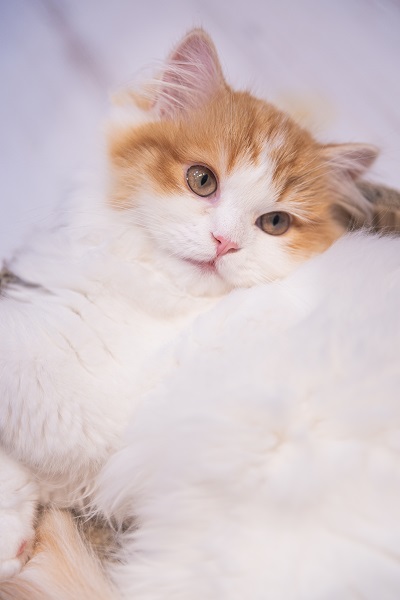
If you’re on the lookout for a large, friendly, long-haired cat, the Ragamuffin might be just the right breed for your family. These cats are closely related to Ragdoll Cats, sharing many similarities in both personality and appearance.
Ragamuffins are known for their incredibly friendly nature—they make fast friends with anyone they meet, as long as they’re treated kindly. Unlike many cats that prefer their space, Ragamuffins love being held and will relax completely when picked up and snuggled. They’re perfect companions for laid-back activities like watching TV, napping beside you while you work from home, or curling up next to you at night.
Though they enjoy plenty of relaxation, Ragamuffins also have a playful side. They’re happy to entertain themselves by batting around a favorite ball or a catnip mouse. But they also love interactive playtime, and their families adore their sweet, gentle demeanor—especially when they’re having fun with a toy. Whether lounging or playing, Ragamuffins are sure to bring joy and affection to any household.
Care
Nutrition
The Ragamuffin cat doesn’t have any specific nutritional requirements, but like all cats, they do best on a high-protein, low-carbohydrate diet. This helps maintain a healthy weight and prevent obesity. To keep your Ragamuffin in top shape, opt for a high-quality food brand with real meat or fish as the first ingredient, which provides the essential protein they need for energy and muscle development.
Grooming
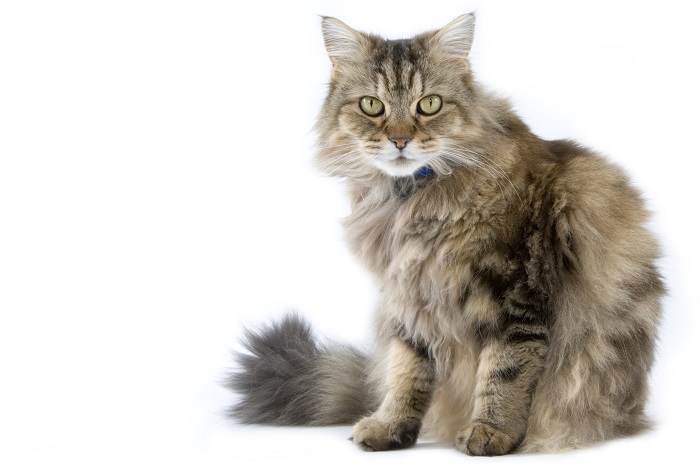
The Ragamuffin cat has a thick, dense undercoat made up of ultra-fine hairs that can easily tangle and mat if not properly maintained. To keep their coat in top condition, regular grooming is essential. Brush them regularly to prevent mats from forming and keep their fur silky smooth. In addition to coat care, dental hygiene is important for your Ragamuffin’s overall health. Brushing their teeth regularly can help maintain good oral health for a lifetime. It’s also a good idea to trim their toenails every few weeks to prevent them from becoming too long. Although Ragamuffins are generally more accepting of handling than many other cats, it’s still important to approach grooming gently. Take your time as you introduce them to these routines, making sure to keep the experience calm and positive. This will help ensure that grooming becomes a regular, stress-free part of your cat’s routine.
Exercise
Ragamuffin cats absolutely love interactive play with their favorite humans. They really enjoy activities like a fun game of laser chase, where they can stretch their legs and show off their playful side. Despite their laid-back nature, Ragamuffins still enjoy a little action now and then. As they get older, though, they might become a bit less active and need a little encouragement to play. Using a feathered wand or tossing their favorite toy around can reignite their playful instincts and get them moving. Another great activity for a Ragamuffin is leash training. These kitties are highly intelligent and can be taught to walk on a leash, allowing them to safely explore the outdoors with you. Once they get the hang of it, many Ragamuffins enjoy these outdoor adventures, enjoying the sights, sounds, and smells of the world around them, all while staying close to their favorite person.
Health
While Ragamuffins are generally a healthy breed, they can be susceptible to a couple of hereditary conditions: Polycystic Kidney Disease (PKD) and Hypertrophic Cardiomyopathy (HCM). These conditions are not exclusive to Ragamuffins and can affect many purebred cats, though it’s important to keep an eye on their health and work with your vet for early detection. Another concern for Ragamuffins is obesity, which is unfortunately common among larger, more laid-back cats. Given their gentle nature and love for relaxation, it’s important to encourage regular playtime to keep them active and engaged. Pair that with a high-protein diet that promotes lean muscle mass, and you’ll help keep your Ragamuffin in good shape, reducing the risk of obesity-related health problems.
History
The Ragamuffin cat has a fascinating history that shares some of its origins with the Ragdoll breed. The foundation for the Ragamuffin was built using the same breeding lines that were used to develop the Ragdoll and Cherubim cats between 1971 and 1994. Some of the notable bloodlines that contributed to the Ragamuffin’s development include the IRCA Miracle Ragdolls, Honey Bears, Ragdolls, and Maximilion breeding lines.
The original IRCA Ragdoll and Cherubim cats were privately registered with the International Ragdoll Cat Association (IRCA), which was founded by breeder Ann Baker. The foundation cats for these lines were descended from a domestic long-haired cat named Josephine, who was of unknown Persian or Angora stock. Josephine was known for producing kittens with unusually docile and gentle temperaments, a trait that became a hallmark of the breed.
In 1994, some breeders decided to branch out and create a new breed, as the names Ragdoll and Cherubim were trademarked. They chose to rename the offspring of their IRCA Cherubim cats. Curt Gehm, one of the founding breeders, suggested the name Ragamuffin, and it was a perfect fit for the breed’s affectionate and gentle nature. From that point on, the Ragamuffin cat was born and continued to evolve into the beloved breed we know today.