

Height
20–38 cm (at shoulder)
Adult Weight
1.5–11.5 kg (Highly variable: from the tiny Rusty-spotted Cat to the Ocelot)
Life Span
Highly variable (typically 10–17 years in the wild/captivity)
Origin
Global (Found on 5 of 7 continents)
Personality and Temperament
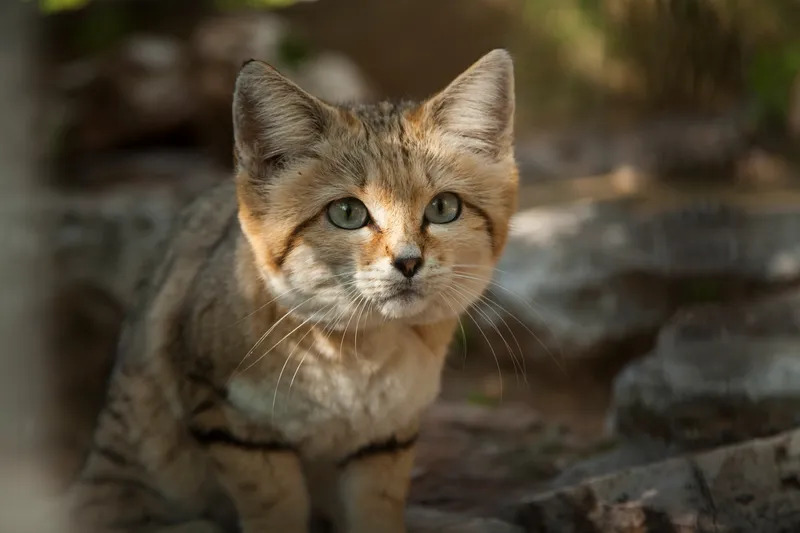
The group of small wild cats comprises over 30 distinct species, making generalizations difficult. However, almost all are characterized by a nature that is solitary, secretive, and highly adapted for stealth. They are experts at remaining unseen, which is why many species are rarely studied in the wild.
These species are essentially the smaller, wild relatives of our domestic cats, possessing the same acute senses and predatory instincts. Unlike large cats (like lions), most small cats are solitary hunters, coming together only for mating. They are generally highly cautious and wary of humans, relying on their camouflage and agility to evade detection. Their disposition is fiercely independent, dedicated to hunting and protecting their territory.
Care
Nutrition
Like all felines, small wild cats are obligate carnivores, meaning their diet consists strictly of meat. Their nutritional needs are focused on high protein content derived from animal sources.
Depending on the species, size, and geographic location, their prey includes a vast range of animals:
Smaller Species: Primarily rodents, insects, reptiles, birds, and small mammals.
Larger Species: May take larger prey like small antelopes, larger birds, and fish.
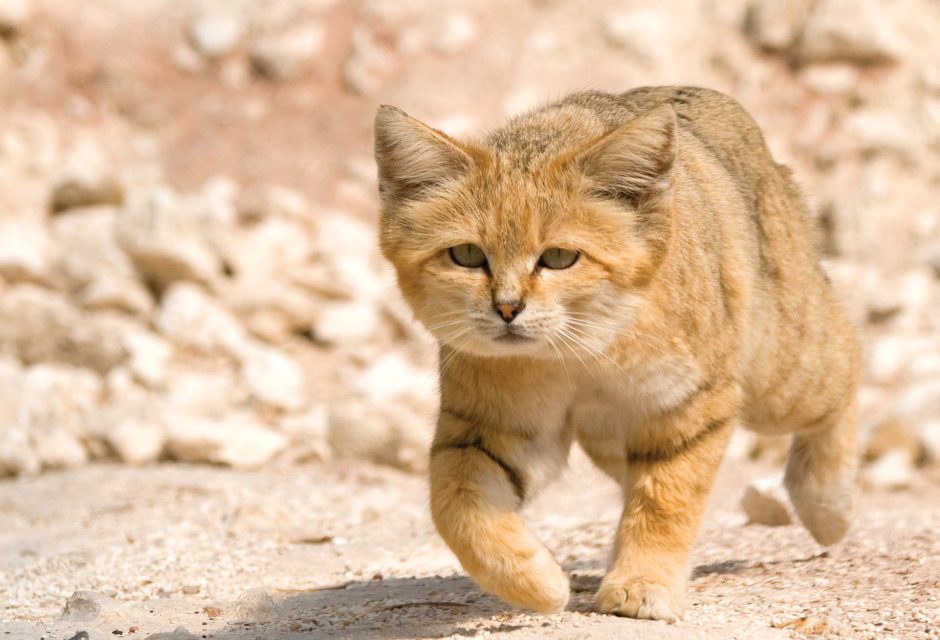
Their natural diet is also a key source of hydration, allowing many species (like the African Wildcat) to thrive in arid environments with very little open water.
Grooming
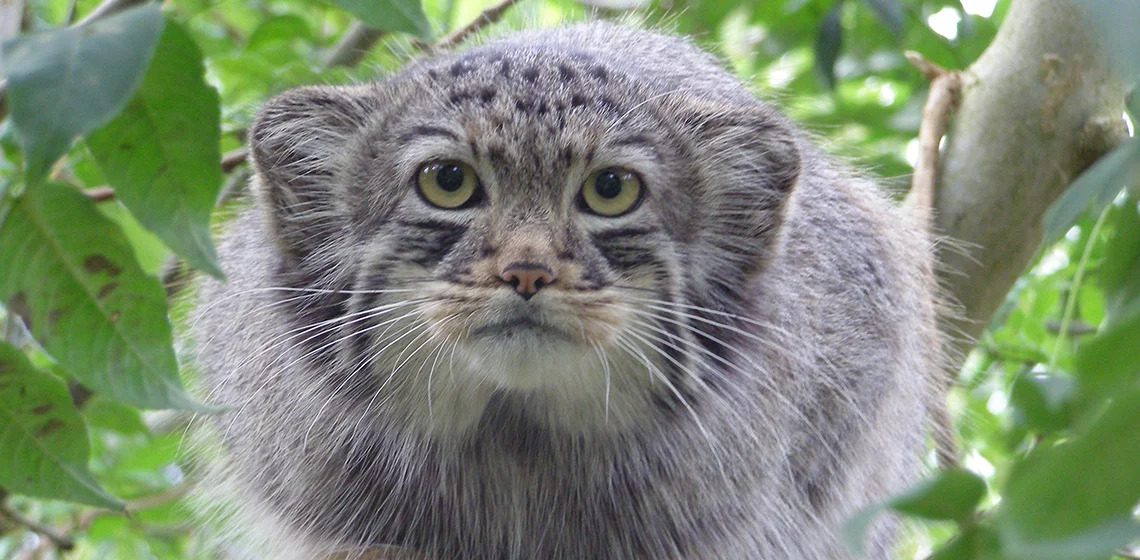
Grooming for small wild cats is primarily a survival mechanism. They groom themselves regularly to maintain clean, dense fur, which is vital for insulation and protection in their varied habitats (from the dense fur of the Pallas’s Cat to the sleek coat of the African Wildcat). Crucially, grooming also helps them remove their scent, which is essential for successful hunting and evading predators. They shed minimally but effectively in response to seasonal changes.
Exercise
Small wild cats are highly agile, powerful, and active hunters that require constant physical activity. They rely on bursts of speed, stealth, and agility to secure their prey. Their exercise is integrated directly into their daily routine:
Stalking and Hunting: They spend significant portions of their day hunting small prey, which provides both mental and physical stimulation.
Climbing and Observation: Many species are adept climbers, utilizing vertical space for hunting and surveillance.
Endurance: While they primarily rely on quick attacks, they must maintain the endurance to patrol large territories, which varies widely depending on prey availability.
Their need for rigorous, natural exercise is absolute for their survival.
Health
While often robust, small wild cats face many of the same health risks as their domestic counterparts, including diseases like rabies, distemper, and Feline Immunodeficiency Virus (FIV). However, the primary threat to their health is external:
Disease Transmission: They are increasingly vulnerable to diseases spread by free-roaming domestic cats and livestock in areas where habitats overlap.
Trauma: Conflict with humans, vehicles (roadkill), and livestock conflict (retaliatory killing) are major causes of mortality.
Due to the limited study of many species, comprehensive health data is scarce, making conservation efforts challenging.
History
The lineage of small wild cats is ancient, with the Felinae subfamily originating in Eurasia around 10 million years ago. This group includes 33 of the 40 existing wild cat species worldwide. They inhabit five continents and thrive in nearly every habitat, from deserts and mountains to rainforests and grasslands.
The history of this group is one of remarkable evolutionary adaptation and success. However, their current status is precarious:
Conservation Crisis: Small wild cats receive less than 2% of the total conservation funding dedicated to all wild cat species globally.
Threat Status: Many species are currently listed as Vulnerable or Near Threatened by the IUCN Red List, with several being Endangered (e.g., the Flat-headed Cat, the Iberian Lynx).
Their survival is severely threatened by human encroachment, including habitat loss and fragmentation, poaching for their fur, depletion of their natural prey, and conflict arising from attacks on small livestock. Conservation efforts are now focusing on identifying their populations and securing habitat protection, as these tiny, elusive predators play a vital role in maintaining ecosystem health.