

Height
23 – 28 cm
Adult Weight
4,5 – 9 kg
Life Span
12-15 years
Origin
United States
Personality and Temperament
ChatGPT said:
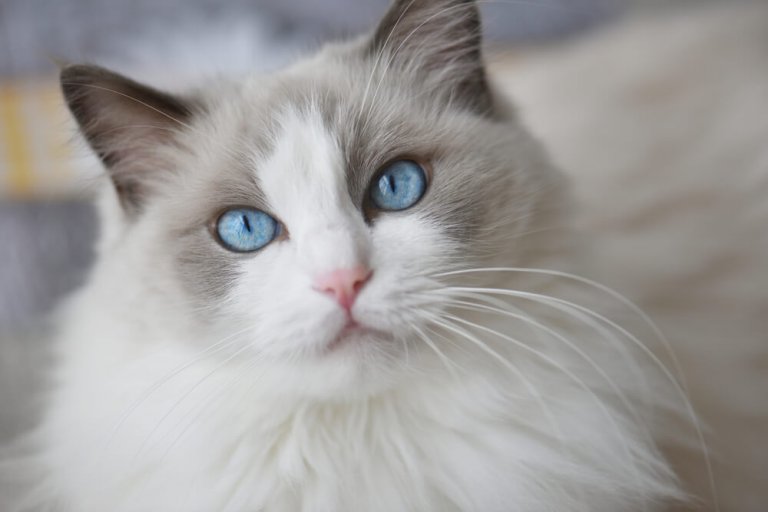
Some cats are independent and prefer their own space, but Ragdolls are a completely different breed—they live for cuddles. These affectionate cats love to be close to their humans and are known for following their family members around, from room to room. While they aren’t overly nosy, they’re genuinely interested in what’s going on and enjoy being part of the action. Whether you’re watching TV on the couch or working in the office, Ragdolls will happily curl up beside you, keeping you company with their calm, contented presence.
Despite their laid-back nature, Ragdolls are incredibly gentle and considerate. Instead of knocking over your favorite items, they’re more likely to carefully maneuver around them, ensuring they don’t cause any trouble. In fact, many Ragdolls enjoy being near water, and they might follow you into the bathroom, sit on the edge of the bathtub, or even dip their paws into the water—showing just how curious and social they truly are.
Their affectionate, social nature makes them wonderful companions, and they often repeat behaviors that get positive attention from their humans. With some patience and encouragement, positive reinforcement can go a long way in teaching a Ragdoll cat tricks or desired behaviors, making them a joy to train and interact with. Whether you want a loyal cuddle buddy or a cat who will entertain you with their cleverness, a Ragdoll is sure to bring love and joy into your home.
Care
Nutrition
Ragdoll cats don’t have any specific nutritional requirements, but it’s important to prioritize quality in their diet. Since these cats tend to be more laid-back and low-energy, they can easily gain weight if they’re fed too much of a low-quality diet. To maintain a healthy weight and support their overall well-being, it’s best to offer a high-protein, low-carbohydrate diet with real meat or fish as the primary ingredient. This will provide them with the necessary nutrients to stay lean, strong, and happy, while preventing obesity—a common concern for more relaxed breeds like the Ragdoll.
Grooming
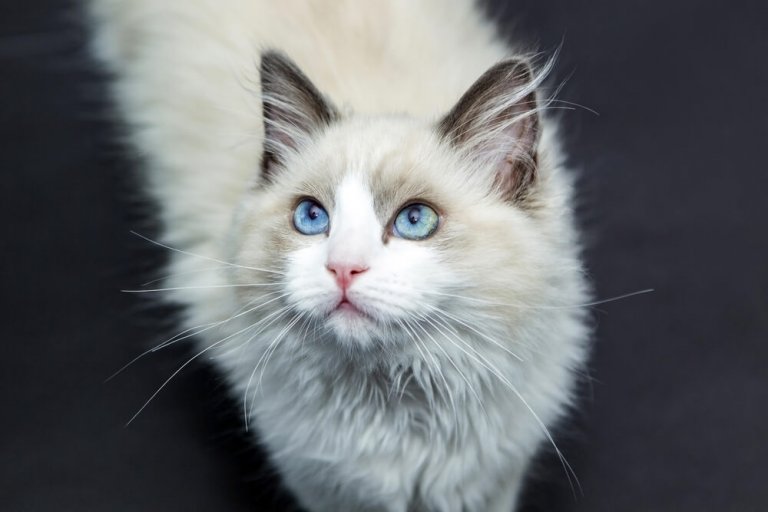
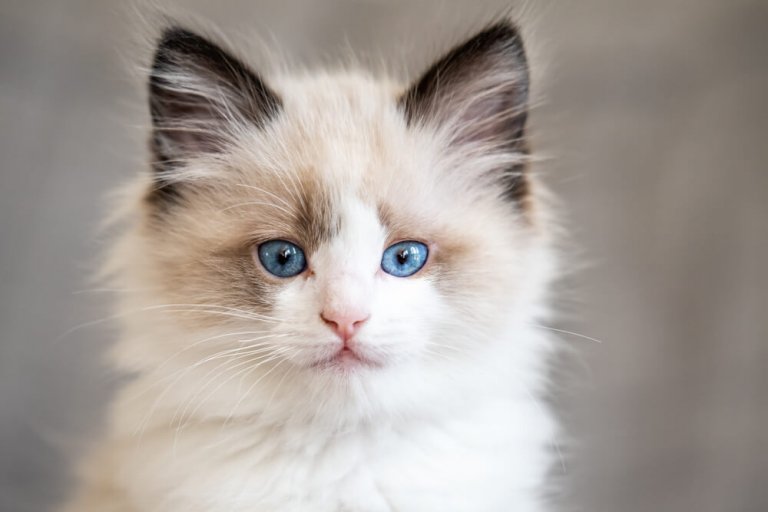
Ragdoll cats are known for their luxurious double coats, which require regular grooming to keep them in top condition. Most Ragdolls actually enjoy being brushed daily, and it’s a great bonding activity for both you and your cat. Regular brushing not only helps prevent mats from forming but also reduces shedding and hairballs, which are common with long-haired cats. In addition to coat care, it’s important to introduce toothbrushing from a young age to help maintain your cat’s dental health. Make brushing a regular part of their routine, as dental hygiene is key to preventing issues like gum disease. Also, be sure to trim their nails every two to four weeks to keep them comfortable and prevent any accidental scratches. By staying on top of these grooming tasks, you’ll keep your Ragdoll looking and feeling their best, all while enjoying quality time together.
Exercise
Ragdoll cats are known for their love of napping and relaxing, but they also have a playful side. It’s important to provide them with a variety of toys, scratching posts, and cat towers, especially ones that give them a good view of what’s happening around them. These cats enjoy being part of the action, and having a perch where they can observe their surroundings is often a favorite spot. Ragdolls tend to exhibit kitten-like behavior well into adulthood, often staying playful and curious until they reach full maturity between the ages of 2 to 4 years. After that, they might slow down a bit, but it’s still important to initiate play sessions. Since Ragdolls enjoy engaging with their humans, it’s up to you to keep them active with interactive games like feather wands or laser pointers. Regular play not only helps maintain their physical health but also strengthens the bond you share, promoting a happy and long life for your furry friend.
Health
Ragdoll cats are generally known for their good health and can live an average of 12 to 15 years. However, like many pedigreed cats, they are still prone to certain genetic health conditions that owners should be aware of. One of the more common concerns in Ragdolls is hypertrophic cardiomyopathy (HCM), a heart disease that affects some individuals due to a genetic predisposition.
In addition to HCM, Ragdolls are also at risk of polycystic kidney disease (PKD), bladder stones, and obesity. Since Ragdolls are a larger, more relaxed breed, they can be particularly susceptible to obesity, which can lead to other health issues if not properly managed through diet and exercise.
Regular vet check-ups and a balanced, healthy diet are key to ensuring your Ragdoll stays in the best possible health throughout their lifetime. Early detection and prevention are essential for managing potential health concerns.
History
ChatGPT said:
The Ragdoll cat breed was born in Riverside, California, in the 1960s, thanks to breeder Ann Baker and her domestic longhair cat named Josephine. Josephine was known for her unusually friendly and affectionate nature, and her kittens inherited these calm and loving traits. As Ann Baker worked to create a new breed, she selectively bred cats with great temperaments, luxurious coats, and a large, sturdy build. She was particularly interested in producing a cat with Himalayan points, like the ones seen in breeds such as the Siamese.
It’s believed that the foundation for the Ragdoll breed included cats of Persian, Burmese, and Birman lineage, as these breeds are also known for their relaxed and laid-back personalities. In addition to Josephine, two other cats played an important role in the development of the breed: Blackie, a solid black cat with Burmese features, and Daddy Warbucks, who helped father several key litters.
One of the early litters from Josephine and Daddy Warbucks produced a bicolor female named Fugianna, who became an important contributor to the breed. Another litter, this time between Josephine and Blackie, resulted in a dark brown female named Buckwheat, who was also crucial in the creation of the Ragdoll line. As the breed continued to develop, all subsequent Ragdolls trace their lineage back to pairings involving Daddy Warbucks, Buckwheat, and Fugianna.
The result of Ann Baker’s careful breeding was the Ragdoll cat, a breed known for its affectionate nature, large size, and striking coat.