

Height
10″-12″
Adult Weight
8-10 pounds
Life Span
10-12 years
Origin
Thailand
Personality and Temperament
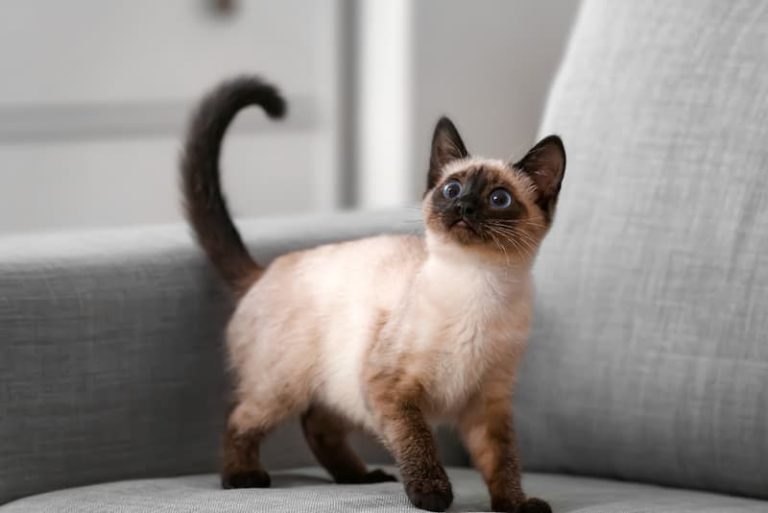
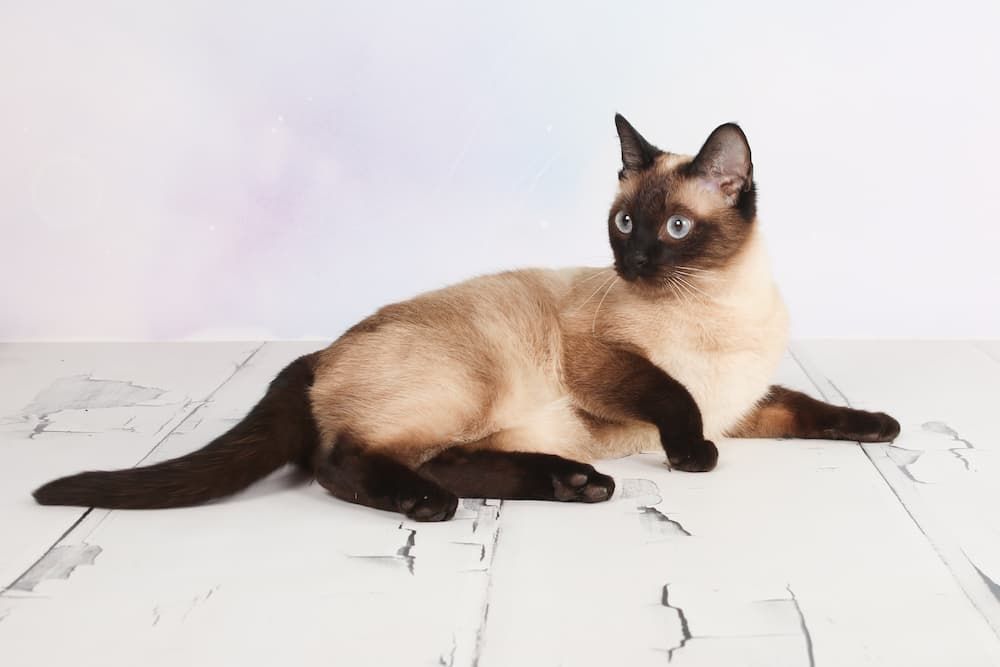
Thai Siamese cats are affectionate, intelligent, and notably outgoing. They enjoy being around people and other cats, often forming a strong attachment to one person in the household. Known for their vocal nature, they frequently seek attention using a loud, low-pitched, and persistent meow—earning them the nickname “Meezer.”
Thai Siamese cats are also highly curious and playful, often getting involved in whatever their humans are doing. They enjoy interactive play and mental stimulation, making puzzle toys and games a great fit for their active minds. Unlike more independent breeds, Thai Siamese do not enjoy being left alone for long periods — they thrive on companionship and can even develop separation anxiety if left by themselves too often. Their social and inquisitive nature means they do best in homes where someone is frequently around or where they have another pet to interact with.
Care
Nutrition
Siamese cats need a diet rich in high-quality protein, preferably from real meat or fish, to support their slim, active bodies. Because they’re energetic, they require nutritious fuel, but portion control is important, as they may overeat out of boredom. A balanced mix of wet and dry food is ideal for maintaining their health.
Grooming
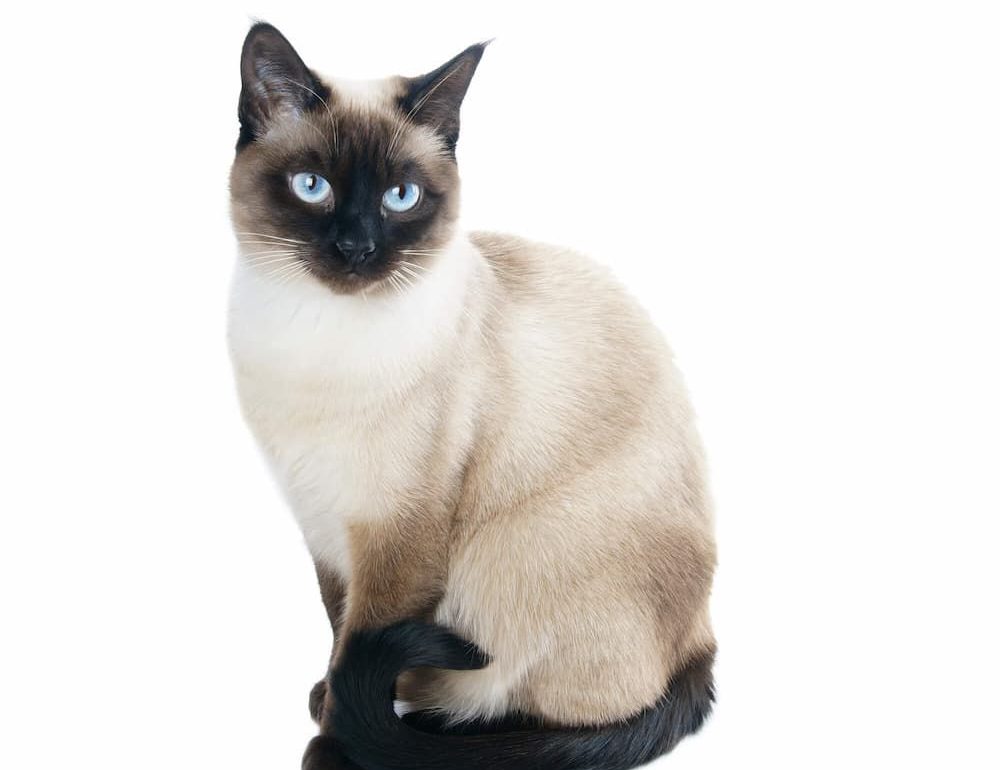
Like other shorthair breeds, Siamese cats typically groom themselves to maintain their coats. Brushing them once a week helps remove loose hairs and reduces the risk of hairballs, which occur when cats accidentally ingest hair while grooming.
Exercise
To keep a Siamese cat active and healthy, it’s important to combine physical exercise, mental stimulation, and social interaction. Activities like interactive play, climbing structures, and puzzle toys are great ways to engage them. Because of their high energy and intelligence, daily enrichment is essential to prevent boredom and unwanted behavior.
Health
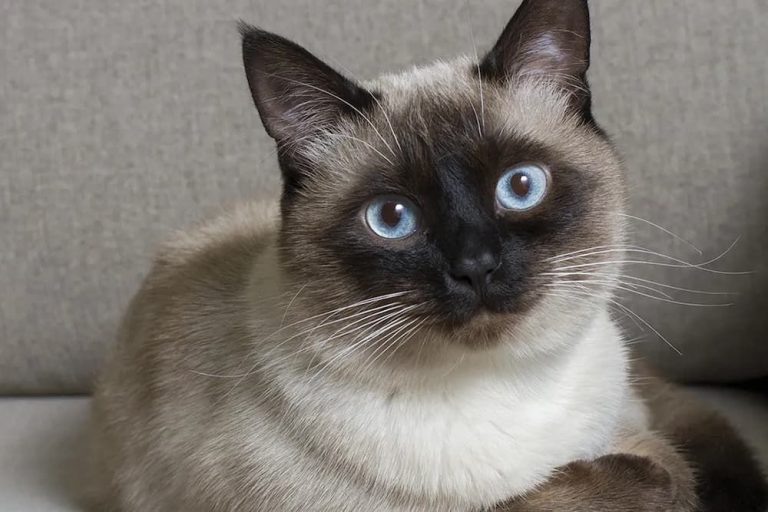
Siamese cats and breeds derived from them tend to have higher mortality and morbidity rates compared to other cat breeds. They are more susceptible to neoplastic (cancerous) and gastrointestinal diseases. The Siamese’s distinctive pointed pattern is a result of partial albinism, caused by a mutation in the tyrosinase gene. This mutation can lead to abnormal neurological connections between the eyes and brain, sometimes causing crossed eyes. Siamese cats are also prone to lung infections, feline OCD, vestibular disease, and Feline Hyperesthesia Syndrome. Additionally, some studies suggest that Siamese cats may have an increased risk of developing diabetes mellitus.
History
The Siamese cat, originally known as the Wichien Maat from Siam (modern-day Thailand), has a rich history as a sacred and royal companion dating back at least to the 14th century, as recorded in the Tamra Maew manuscripts. It was introduced to the West in the late 19th century and gained popularity through a dedicated breeding program. Today, the original, round-headed “applehead” variety is recognized as the Thai cat, while the modern, slender, wedge-headed Siamese is the more commonly recognized breed.
Historical records from Bangkok’s Thai National Library mention the Smud Khoi or “Cat Book Poems,” dating back to the 1700s, which include illustrations of cats resembling the seal-point coloration seen in Thai Siamese cats. All Siamese kittens are born white and develop their distinctive color points as they mature.
The Wichien Maat was revered in Siamese royal courts and Buddhist temples, with legends stating they served as guardians of temples or carried the souls of deceased royals. The breed is also mentioned in ancient Thai texts such as the Tamra Maew (Cat-Book Poems), which dates back to at least 1350 AD. These cats were once exclusively owned by royalty and high-ranking monks, who considered them symbols of good fortune. Today, the original round-headed Siamese is recognized as the Thai cat.