

Height
9″-13″
Adult Weight
7-15 pounds
Life Span
13+ years
Origin
United States
Personality and Temperament
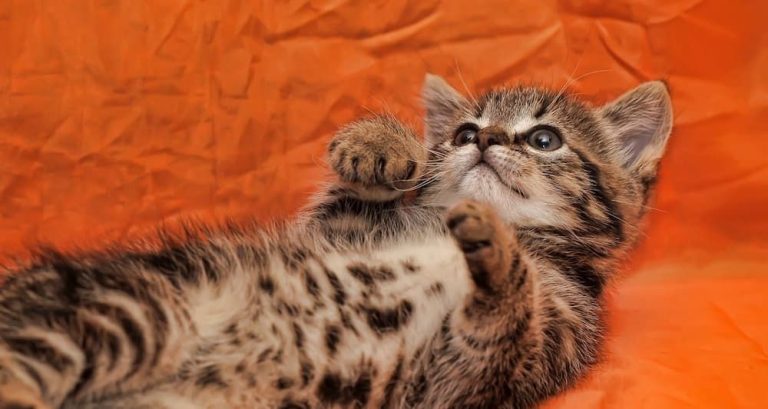
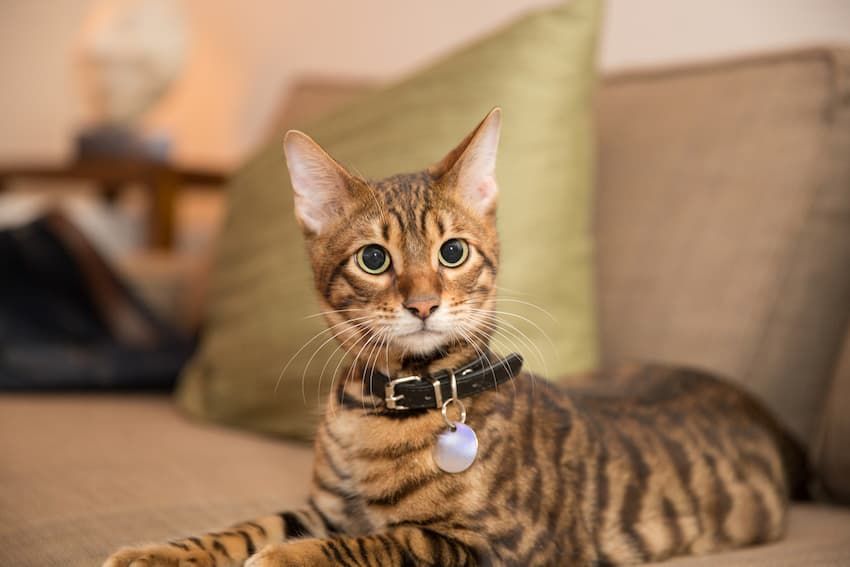
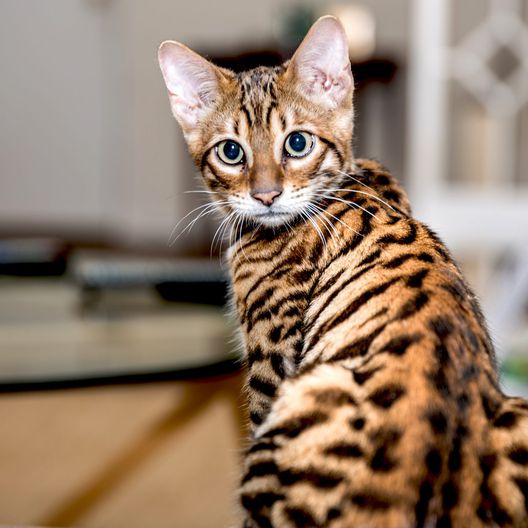
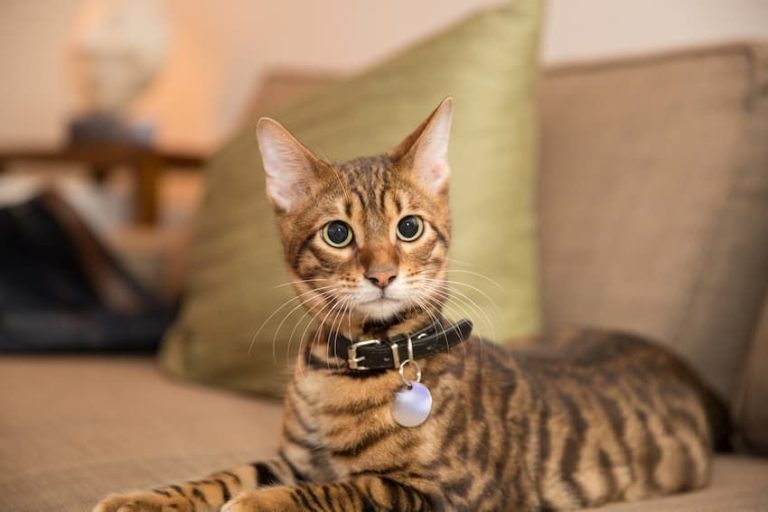
The Toyger cat is known for its striking tiger-like appearance, with a muscular build and a coat that features bold, dark stripes against a golden or orange background. This breed is not just visually unique but also has a remarkable personality. Toygers are highly intelligent and affectionate, often forming strong bonds with their owners. They are playful and energetic, always looking for fun and mental stimulation. Due to their curious nature, they thrive in environments that offer ample opportunities for interactive play and problem-solving, such as puzzle toys and training exercises. Many Toygers enjoy learning tricks, including fetching and leash training, making them great companions for active individuals or families.
Their social nature means they tend to be around people a lot and can easily adapt to homes with children or other pets, especially if introduced early. Although they enjoy attention, Toygers are not overly demanding and communicate with a distinctive voice, typically using soft chirps or meows to express themselves. This breed is known to do well with leash training, making them an ideal choice for those looking for a highly interactive and loyal cat.
If you’re considering bringing a Toyger into your home, it’s important to create an enriching environment that allows them to satisfy their mental and physical needs. With their intelligence and love for fun, they can make wonderful, engaging companions.
Care
Nutrition
Toyger cats require a high-quality, protein-rich diet that meets their needs as obligate carnivores. Their diet should consist of animal proteins and essential fatty acids, such as omega-3 and omega-6. A balanced feeding plan can include both wet and dry food to ensure proper hydration and support oral health. Owners should carefully monitor portion sizes to prevent weight gain, particularly as their Toyger ages, and limit treats to no more than 10% of their daily caloric intake. It’s also a good idea to choose foods with natural, high-quality ingredients and digestive aids like prebiotics or probiotics to promote healthy digestion.
Grooming
Toygers are a low-maintenance breed when it comes to grooming, but they still require some care. Their short, dense coats shed and should be brushed or combed weekly to keep the fur in good condition. Bathing is generally not necessary unless they get unusually dirty.
Exercise
Although Toygers stay active on their own, it’s still important to provide them with additional exercise beyond their usual movement and play. Owners should spend at least 15 minutes each day engaging in play, whether indoors or outdoors, to help keep their Toyger active and healthy.
Health
The Toyger breed is generally healthy, with no major genetic conditions closely associated with it. However, heart murmurs are occasionally found in Toygers, and they may be linked to hypertrophic cardiomyopathy (HCM), the most common heart condition in cats. While HCM can be managed, there is no cure, so early monitoring is essential to ensure the cat maintains a good quality of life if diagnosed with the condition. Additionally, some studies have identified a neurological condition called holoprosencephaly in Toygers selectively bred for a short ear phenotype. This condition is associated with a deletion in the GDF7 gene.
History
The Toyger breed is relatively new, having been developed in the 1980s by American breeder Judy Sugden, the daughter of Jean Mill, who founded the Bengal breed. Judy’s goal was to create a domestic cat that resembled a miniature tiger, while also being well-suited for home life. To achieve this, she began a selective crossbreeding program using a domestic shorthair named Scrapmetal and a Bengal cat called Millwood Rumpled Spotskin. These two cats formed the foundation of the Toyger breed. Later, a street cat named Jammu Blu, imported from India, further contributed to the breed’s development.
The Toyger was initially recognized for “registration only” by The International Cat Association (TICA) in 1993 and was granted full championship status in 2007. The creation of the Toyger was not just about developing a unique breed; it was also part of an effort to raise awareness about tiger conservation in the wild, drawing attention to the similarities between the domestic cat’s striking appearance and the majestic tiger.