

Height
28-41 cm (at shoulder)
Adult Weight
4.5-11.3 kg
Life Span
10-15 years
Origin
United States
Personality and Temperament
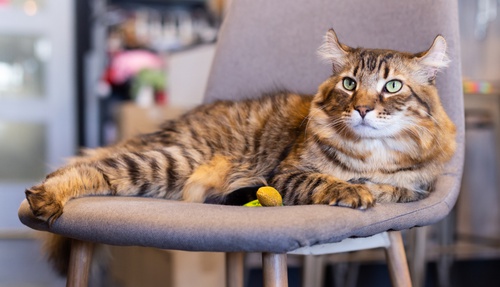
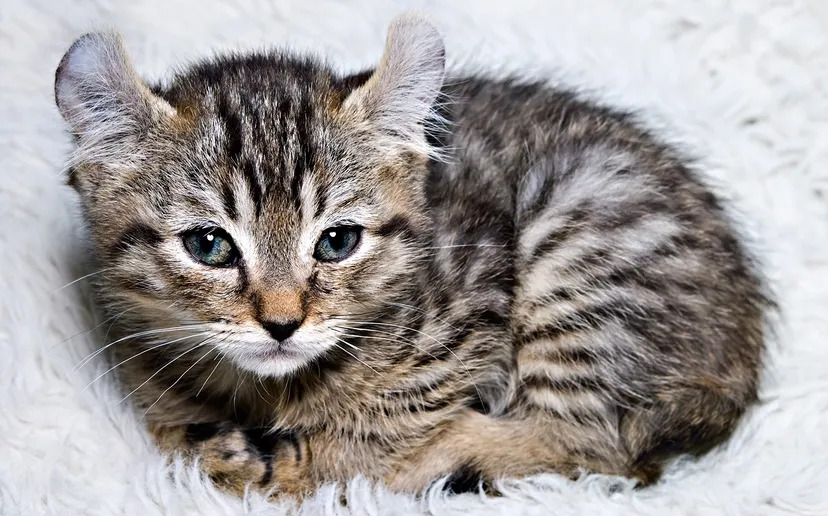
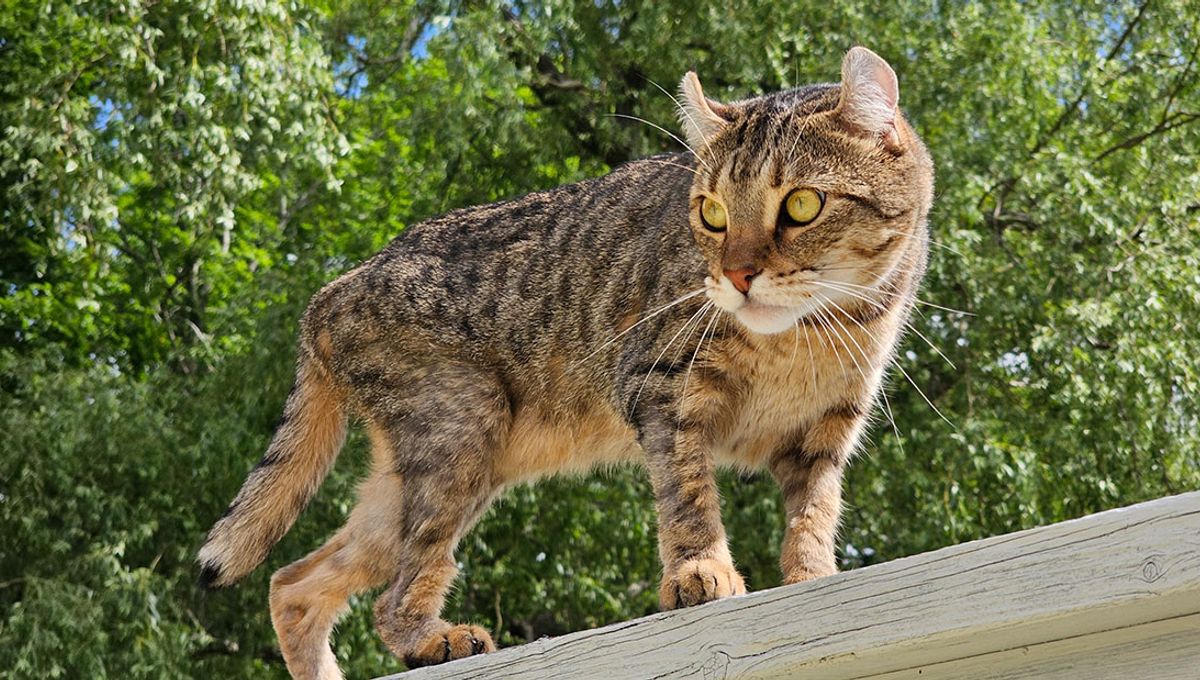
The Highlander cat, a relatively newer and distinctly unique breed, is known for its playful and energetic disposition. While they may possess an exotic appearance with their curled ears and bobtail, their temperament is generally gentle and highly affectionate.
Highlanders are essentially a selectively bred version of domestic shorthair cats, developed over time to combine specific physical traits with desirable personality characteristics. They are often described as having a dog-like devotion to their families.
These cats thrive on interaction and enjoy being an active part of household life. Unlike some more reserved breeds, Highlanders are typically outgoing and social, forming strong bonds with their human companions. They are often described as intelligent and inquisitive, enjoying interactive games and even leash training. However, despite their energetic nature, they are generally not overly vocal or demanding. They are adaptable and can fit well into most active households, but their need for engagement means they may not be ideal for owners who are frequently away for extended periods.
Care
Nutrition
Highlander cats do not have particularly unique nutritional requirements; however, their athletic build and active lifestyle mean they benefit from a high-quality diet that supports their energy levels and muscle development. It’s important to provide a diet that is rich in protein and has a balanced fat content. While not as prone to obesity as some less active breeds, owners should still monitor their intake to maintain an ideal weight.
Grooming
The Highlander cat comes in both short and long-haired varieties, both typically featuring low-maintenance coats. Their fur is generally soft and easy to care for. Short-haired Highlanders require only minimal weekly brushing to remove loose hairs and maintain coat health. Long-haired Highlanders might benefit from two to three brushings per week to prevent tangles and mats, especially around the areas of their bobtail or any feathering on their ears. Regular grooming also serves as an excellent bonding opportunity.
Exercise
Highlander cats possess a significant playful and energetic streak that often continues well into adulthood. They are intelligent and inquisitive, requiring consistent mental and physical stimulation to keep them happy and healthy. Owners should actively encourage play with a variety of interactive toys such as feathered wands, laser pointers, and puzzle feeders. Their intelligence also makes them good candidates for leash training, allowing for supervised outdoor exploration, or teaching simple tricks. Battery-operated or self-moving toys can also help provide activity when owners are busy.
Health
The Highlander is generally considered a robust and healthy breed. Due to its relatively recent development and diverse genetic background, it is not currently known to be predisposed to a wide array of genetic disorders. However, as with any breed, responsible breeding practices are crucial.
Prospective owners should inquire about the health screening practices of the breeder. While specific genetic tests like those for some older, more established breeds may not be common, reputable breeders will monitor for general feline health issues and ensure their breeding cats are healthy and free from common ailments. Regular veterinary check-ups throughout a Highlander’s life are essential to maintain its excellent health.
History
The Highlander cat is a relatively modern breed, originating in the United States in the early 2000s. The breed’s development began with the goal of creating a cat with a distinct, wild-looking appearance combined with a gentle, domestic temperament. It was initially developed from crosses between the Jungle Curl (a cross between a Jungle Cat and a Curl) and the Desert Lynx (a specific type of domestic hybrid cat).
The breeders sought to combine the distinctive curled ears of the American Curl with a naturally short, bobbed tail, along with a robust build and a wilder aesthetic. Early breeding efforts focused on solidifying these unique physical traits while emphasizing a friendly, intelligent, and social personality.
Originally known as the “Highland Lynx,” the breed was eventually renamed the “Highlander” to avoid confusion with actual wildcat hybrids and to better reflect its unique domestic lineage. The breed quickly gained attention for its distinctive look, which includes its signature curled ears, a short “bob” tail (often appearing as if surgically docked, but a natural trait), and a muscular physique.
The Highlander is currently recognized by various cat registries, including The International Cat Association (TICA), under its Preliminary New Breed status, working towards full championship recognition. The breed continues to gain popularity for its striking appearance, playful nature, and adaptability to family life.