

Height
20–25 cm (at shoulder)
Adult Weight
2.5–4.5 kg
Life Span
12–18 years
Origin
Turkey (Ankara region)
Personality and Temperament
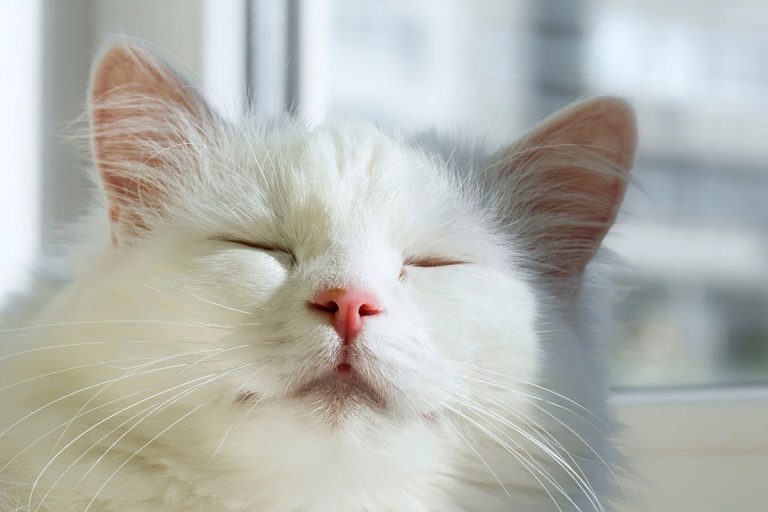
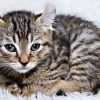
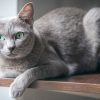
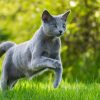
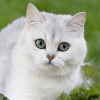
The Turkish Angora is one of the oldest and most regal natural cat breeds, originating from the mountainous regions of Turkey (specifically the area around Ankara). Known for its fine, flowing coat, elegant posture, and silky tail, the breed possesses a lively, intelligent, and extremely affectionate personality.
These cats are revered in their homeland as national treasures. They are essentially the naturally occurring long-haired domestic cats of the region, selectively bred for centuries to maintain their distinctive grace and temperament.
Angoras are renowned for their high intelligence, curiosity, and charming mischievousness. They form deep, intense bonds with their human companions and are often described as having a “dominant” personality—not in a negative sense, but they prefer to be the center of attention and actively participate in household activities. They are excellent problem-solvers (often figuring out how to open doors and cabinets) and communicate their needs through persistent, but generally soft and pleasant, vocalizations. They are highly playful and thrive on constant interaction and mental stimulation.
Care
Nutrition
Turkish Angora cats do not have unique nutritional requirements. Given their fine-boned, graceful structure and high activity level, it is essential to provide a consistent, high-quality diet that is rich in animal protein to support their lean muscle mass. Because of their energetic nature, they are generally not prone to obesity, but owners should still ensure appropriate portion control to maintain their svelte and elegant figure. Fresh water should always be available.
Grooming
Despite having a long coat, the Turkish Angora is surprisingly easy to groom. They possess a single coat (lacking a dense undercoat), which is fine, silky, and less prone to matting than the double coats of other long-haired breeds.
The coat requires moderate maintenance, typically two to three thorough brushings per week, to remove loose hairs and prevent the fine fur from tangling.
Regular grooming sessions are crucial for maintaining the beauty of their flowing coat and serve as a vital opportunity for interaction, satisfying their need for attention and affection.
Exercise
The Turkish Angora maintains a high energy level and exceptional agility throughout its life. These cats are natural athletes who enjoy climbing and playing. Their physical and mental stimulation needs are significant. Owners must commit to:
Vertical Space: Providing tall, sturdy cat trees and shelves is essential, as they love to perch and observe their domain from a height.
Interactive Play: Daily, vigorous play sessions are mandatory to satisfy their hunting instincts and prevent boredom. They enjoy games of fetch and toys that move quickly.
Mental Challenges: Their high intelligence means they excel at puzzle feeders and learning simple tricks, which helps keep them mentally stimulated.
Consistent exercise is critical to supporting their slender physique and sharp mind.
Health
The Turkish Angora is generally a healthy and hardy breed with an impressive lifespan, benefiting from a long natural history. However, due to past breeding practices focusing on the white color, some genetic predispositions are notable:
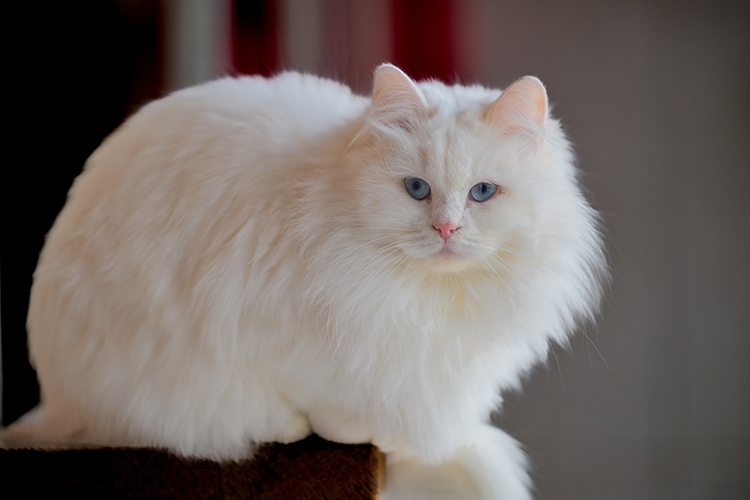
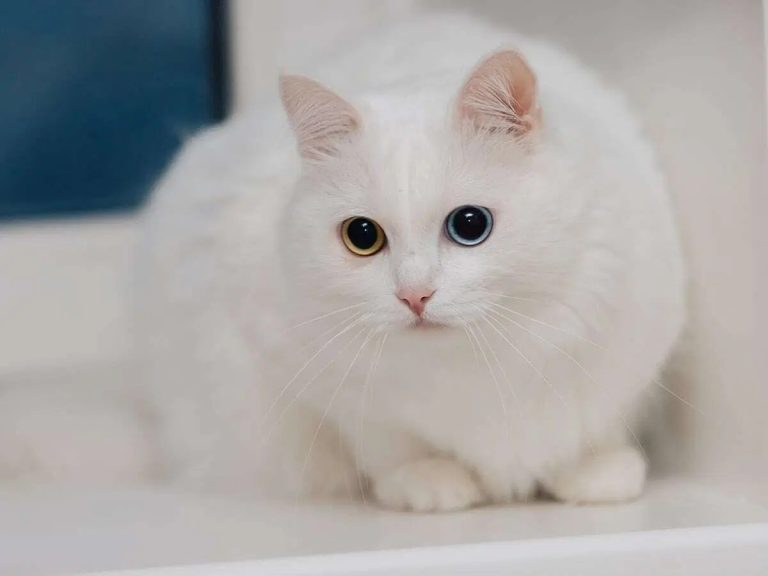
Deafness: White Angoras, particularly those with blue or odd-colored eyes (one blue, one non-blue), have a higher incidence of deafness. Reputable breeders screen hearing on all white kittens.
Hypertrophic Cardiomyopathy (HCM): Like many active breeds, there is a risk of this heart condition, which requires monitoring by breeders.
Ataxia: A severe, sometimes fatal, neuromuscular disorder primarily seen in very young kittens, though it is rare.
Prospective owners should ensure the breeder provides a health guarantee and transparently discusses the health history of their lines, particularly regarding deafness in white cats.
History
The Turkish Angora is recognized as one of the oldest natural cat breeds, originating in Turkey (specifically the Ankara region, formerly Angora) as far back as the 15th century. These cats were naturally occurring long-haired mutations that developed a fine coat suited for the cold Anatolian mountains.
The breed was first brought to Europe in the 16th century and quickly became a symbol of nobility and luxury, treasured by European royalty. They were the foundation stock for nearly all modern long-haired breeds, including the Persian (which developed from crosses with the Angora).
Paradoxically, by the early 20th century, the Angora was nearly bred out of existence, as breeders focused almost exclusively on the newer, more extreme traits of the Persian. The breed was saved from extinction by the Ankara Zoo in Turkey, which established a dedicated breeding program to preserve the national cat in its pure form.
The breed was formally introduced (or reintroduced) to the United States in the 1960s. The Turkish Angora achieved full championship recognition from the Cat Fanciers’ Association (CFA) in 1973 for white cats, and later for colored varieties. Today, the Turkish Angora is celebrated worldwide for its elegant appearance, soft coat, and charming, playful personality.