

Height
23–30 cm (at shoulder)
Adult Weight
4.5–7.5 kg
Life Span
12–17 years
Origin
Turkey (Lake Van region)
Personality and Temperament
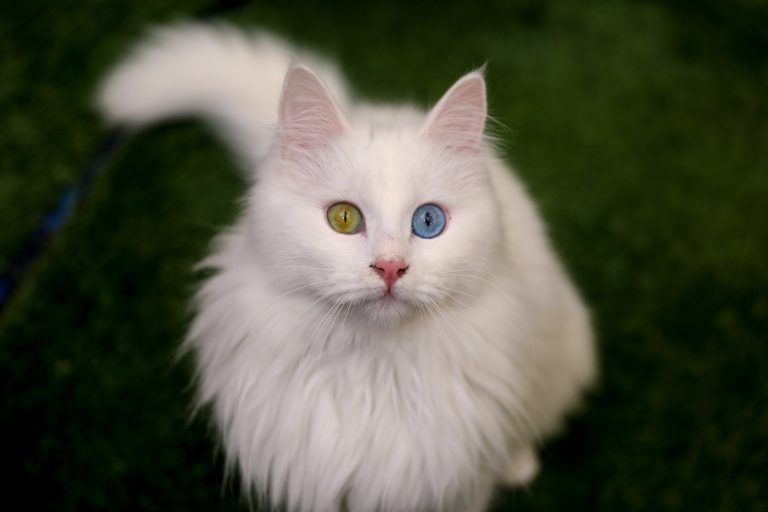
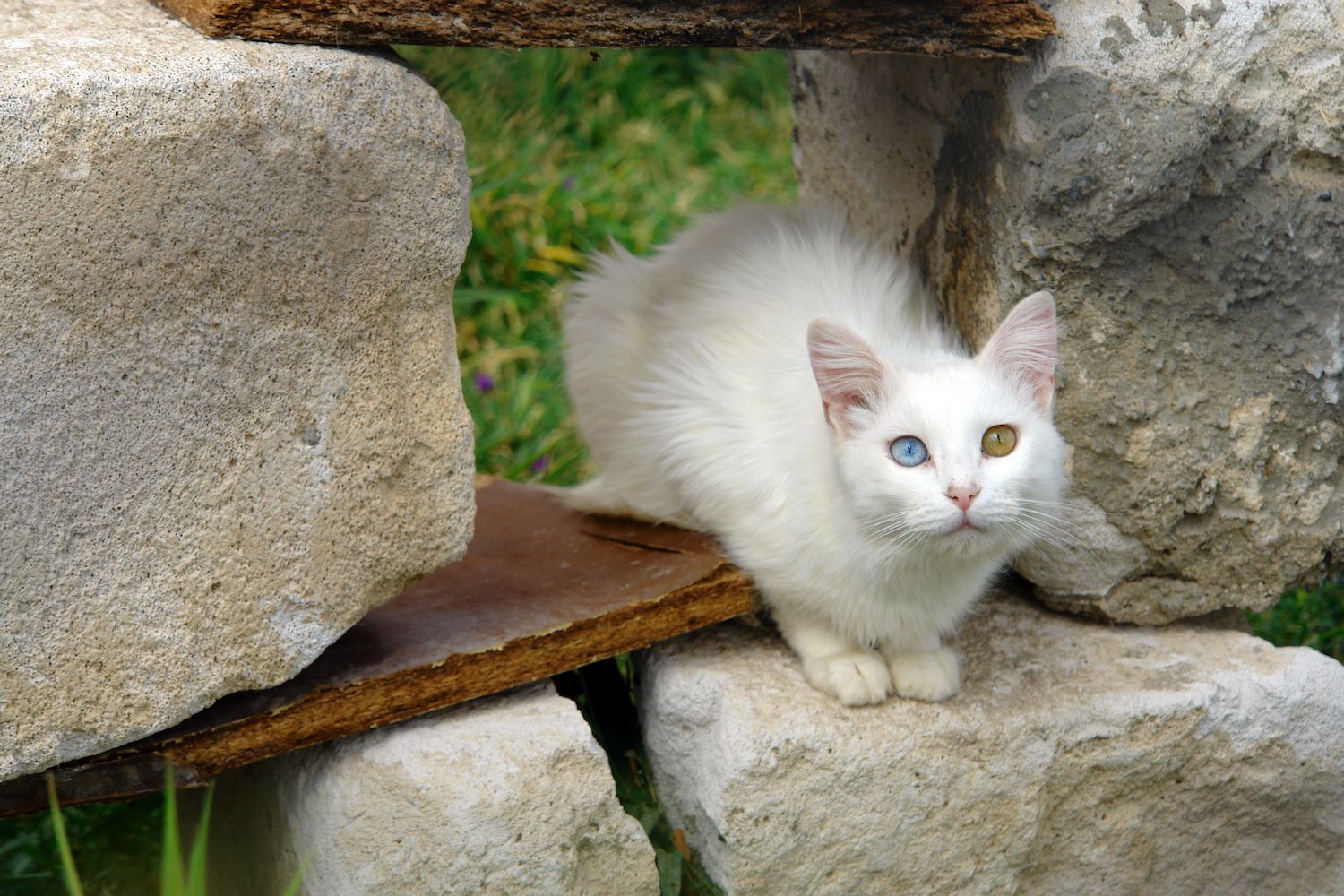
The Turkish Van is an ancient and robust breed that originated in the rugged region surrounding Lake Van in Turkey. Known for its large size, muscular build, cashmere-like coat, and unique color pattern (color restricted mainly to the head and tail, known as the Van pattern), the breed is often called the “Swimming Cat” due to its unusual affinity for water.
These cats are a naturally occurring breed that adapted to their harsh, mountainous environment. They possess a temperament that is intelligent, energetic, and highly playful, maintaining a kitten-like demeanor well into adulthood.
Vans are fiercely loyal and affectionate with their human families, but they are also highly independent and assertive. They prefer to be active participants in the household and enjoy interacting through vigorous play rather than prolonged cuddling. Their voice is generally soft, but they are persistent when seeking attention. Due to their high energy and love of climbing, they thrive in environments that offer plenty of challenges and vertical space. They are generally adaptable but require consistent human interaction.
Care
Nutrition
Turkish Van cats do not have unique nutritional needs; however, due to their large size and long growth period (they can take 3 to 5 years to reach full maturity), they require a high-quality, protein-rich diet that supports their significant bone structure and muscular development. Because they are active, they are not prone to becoming obese, but owners should still provide careful portion control to ensure their lean, powerful physique is maintained. Their diet should be rich in the nutrients necessary to keep their luxurious coat in top condition.
Grooming
Caring for the Turkish Van’s coat is surprisingly straightforward despite its semi-long length. They possess a single coat (lacking a dense undercoat) that has a unique cashmere texture and is soft and water-resistant. This type of coat is less prone to matting than the double coats of other long-haired breeds.
The coat requires moderate maintenance, typically two thorough brushings per week, to remove loose hairs and prevent the fine fur from tangling.
During the summer months, they often shed their long coat down to a short one, making grooming even easier. Regular grooming is essential and satisfies their need for consistent interaction with their owner.
Exercise
The Turkish Van possesses an exceptionally high energy level, remarkable agility, and immense strength. These cats are natural athletes and powerful jumpers. Owners must commit to providing ample opportunities for vigorous activity:
Water Play: Their unique love for water should be accommodated with supervision. They enjoy playing with running taps or shallow water dishes.
Vertical Climbing: They require sturdy, tall cat trees and secure vertical shelving, as they love to climb and explore the highest points in a room.
Interactive Play: Daily, intense play sessions are mandatory. They excel at jumping and retrieving toys and need challenging games to keep their intelligent minds stimulated.
Consistent, high-quality exercise is crucial for maintaining their health and preventing boredom, which can lead to destructive behavior.
Health
The Turkish Van is generally a healthy and robust breed with a notably long lifespan, owing to its natural evolution. There are no widely recognized, breed-specific genetic diseases. However, there are two important considerations:
Obesity: While active, as they age, weight should be carefully monitored to prevent joint strain on their large frames.
White Coat Issues: Like many predominantly white cats, white Vans, particularly those with blue eyes, should be tested for deafness, although the risk is lower than in the Turkish Angora.
Prospective owners should ensure the breeder maintains transparency regarding the health history of their breeding lines. The breed is known for its excellent long-term health with proper nutrition and exercise.
History
The Turkish Van is considered one of the most ancient and natural long-haired breeds, with its origins firmly rooted in the region of Lake Van in Turkey and the surrounding areas of the Middle East. Archaeological findings suggest that long-haired cats have existed in the region for thousands of years.
The defining feature of the Van is its coat pattern—white with color restricted to the head and a colored tail—known as the “Van pattern.” Local folklore and legends often link the cat to Noah’s Ark, claiming its unique pattern resulted from being blessed by God as it left the vessel.
The modern history of the breed began in 1955 when two British travelers, Laura Lushington and Sonia Halliday, were gifted two Van cats while traveling in Turkey. They brought them back to the United Kingdom and began a dedicated breeding program to preserve the breed’s unique characteristics.
The Turkish Van was formally introduced to the United States and achieved championship recognition from the Cat Fanciers’ Association (CFA) in 1994. The Van remains a national treasure of Turkey. Today, the Turkish Van is globally celebrated for its rare beauty, muscular physique, and playful, water-loving disposition.