

Height
23 – 28 cm
Adult Weight
4.5 – 9 kg
Life Span
12 – 15 years
Origin
Siberia
Personality and Temperament
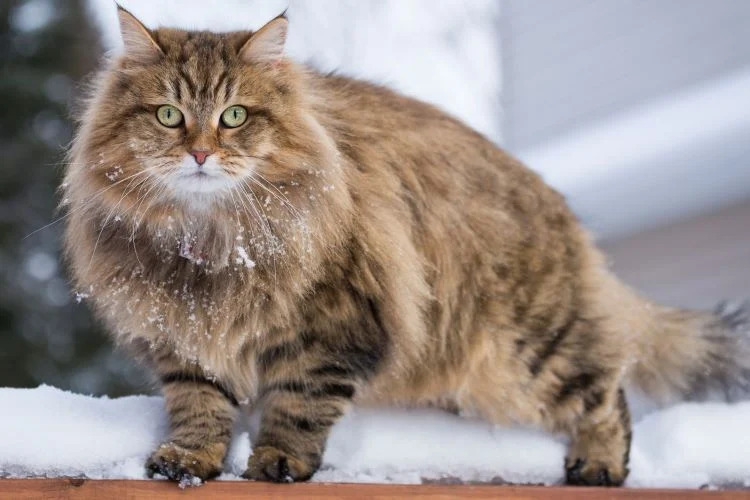
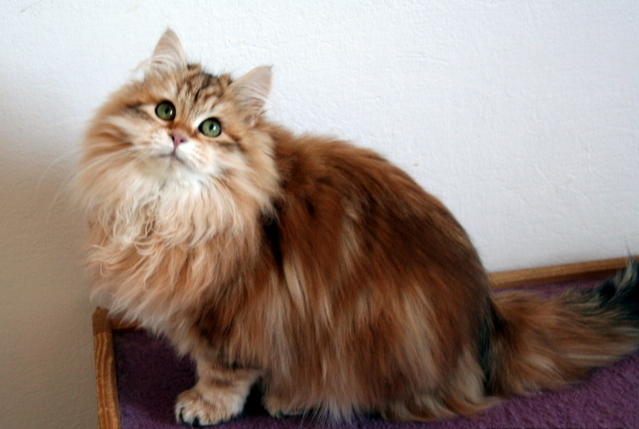
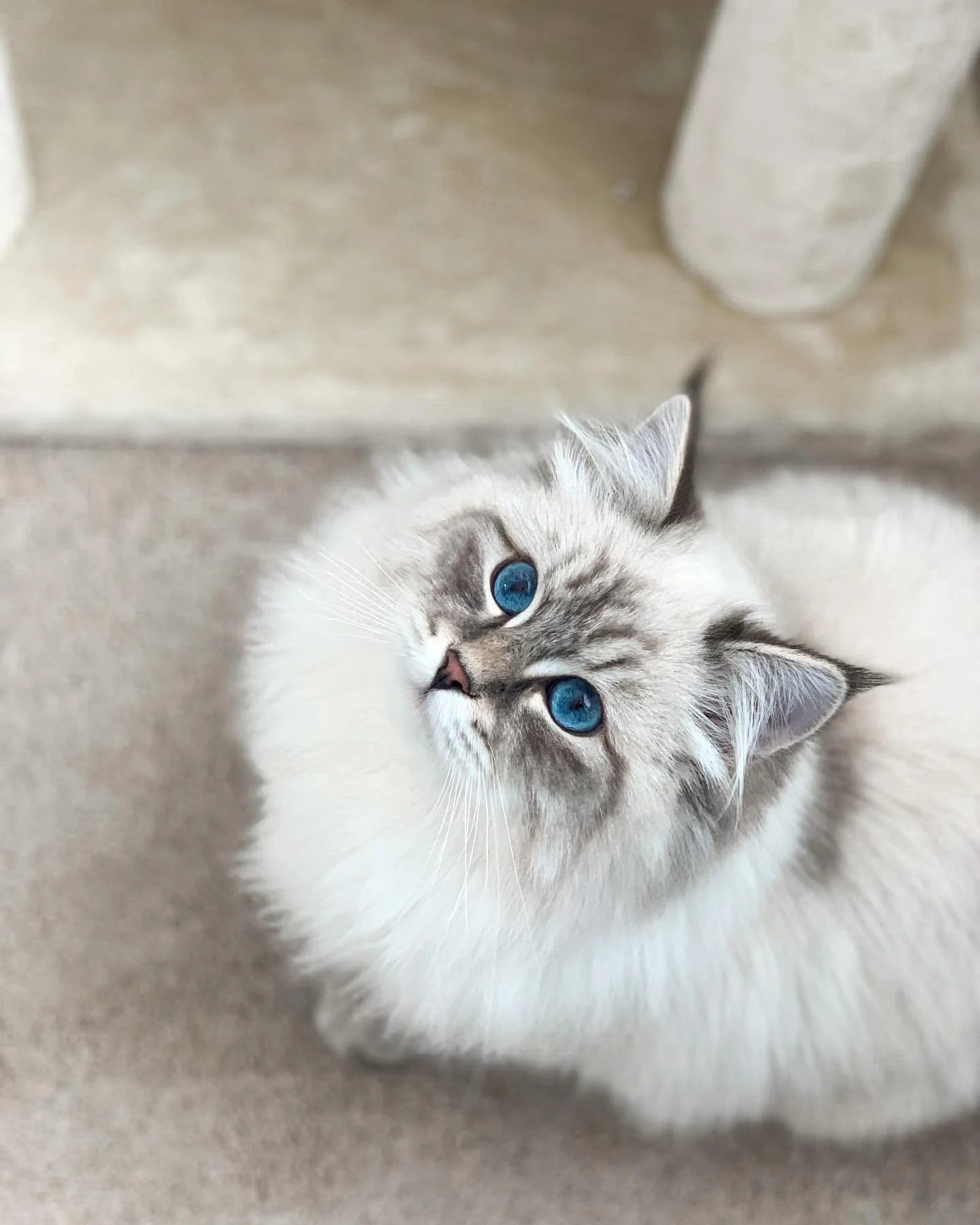
The Siberian cat is a striking breed with a thick, triple-layered coat that is designed to protect it from the freezing temperatures of its native Siberia. They have an impressive mane of fur around their neck, giving them a lion-like appearance, and their coats come in a variety of colors and patterns. Their eyes are typically large and expressive, ranging from green to gold, adding to their appealing look.
Despite their majestic appearance, Siberian cats are known for their friendly, playful, and affectionate personalities. They are highly social and enjoy being involved in family activities. Siberian cats tend to bond closely with their human companions and thrive in households with plenty of interaction.
These cats are intelligent and curious, and they often enjoy problem-solving activities like puzzle toys or learning tricks. They also love climbing and exploring, so providing them with vertical spaces such as cat trees or shelves is a great way to keep them engaged.
Siberian cats are known to be hypoallergenic, as they produce less of the Fel d 1 protein that typically triggers cat allergies. This makes them a popular choice for people with mild allergies.
Care
Nutrition
Siberian cats have a healthy appetite and require a balanced diet to maintain their energy levels and beautiful coats. They are particularly active cats, so a high-protein diet that supports their muscle mass and activity levels is essential.
Protein: A diet rich in high-quality animal protein is important for their muscle development and overall health. Look for foods with chicken, turkey, or fish as the primary ingredients.
Healthy Fats: Omega-3 and Omega-6 fatty acids, found in fish oil and flaxseed, will help maintain their soft, thick coats and promote healthy skin.
Wet and Dry Food: Offering a mix of wet and dry food can provide variety and ensure that your Siberian gets enough hydration. Wet food can also aid in preventing urinary issues.
Hydration: Make sure your Siberian cat has access to fresh water at all times. Siberian cats tend to be good drinkers, but always ensure they have plenty of water available.
Like all cats, Siberians can be prone to obesity if overfed or under-exercised, so portion control and regular exercise are important.
Grooming
Siberian cats have a thick, luxurious coat that requires regular grooming to keep it healthy and free from tangles. However, their coats shed less than most long-haired breeds, which makes them relatively low-maintenance compared to other fluffy breeds.
Brushing: Regular brushing is recommended to prevent matting, especially during shedding seasons. Brushing 2 to 3 times a week will help remove loose hair and reduce the risk of tangles.
Bathing: Siberian cats don’t require frequent bathing unless necessary. When they do need a bath, use a gentle, cat-friendly shampoo.
Ear and Eye Care: Regularly check and clean your Siberian’s ears and eyes to ensure they are free from infection or discharge.
Nail Trimming: As with all cats, regular nail trimming is essential to prevent overgrowth and ensure comfort.
Teeth Care: Siberian cats benefit from regular dental care. You can brush their teeth with cat-safe toothpaste or provide dental treats to help maintain oral health.
Their beautiful, thick coat might require a bit more attention during the shedding seasons, but overall, Siberians are relatively easy to groom.
Exercise
Siberian cats are highly active and playful. They enjoy climbing, jumping, and exploring their environment, so providing them with plenty of opportunities for physical activity is essential for their well-being.
Interactive Play: Siberians are intelligent and enjoy interactive play. Toys like feather wands, laser pointers, and puzzle toys will keep them mentally and physically stimulated.
Climbing: These cats love to climb and explore. A tall cat tree or shelves for climbing will help satisfy their natural instincts.
Social Play: Siberian cats tend to enjoy the company of other pets and humans, so having playmates in the household can keep them entertained and engaged.
Outdoor Exploration: If safe and supervised, Siberians can enjoy outdoor exploration, which provides mental stimulation and physical exercise. However, always ensure they are safe and protected from potential hazards.
A good mix of play and exercise will help keep your Siberian cat in top shape.
Health
Siberian cats are generally very healthy and hardy, thanks to their robust genetic background. However, like all breeds, they can be prone to certain health conditions. Regular veterinary care and a healthy lifestyle will help keep your Siberian cat in great health.
Hypertrophic Cardiomyopathy (HCM): Like many breeds, Siberian cats may be prone to HCM, a heart condition that can affect the heart muscle. Regular check-ups can help catch any signs early.
Polycystic Kidney Disease (PKD): Siberians can also be at risk for PKD, a hereditary condition that affects kidney function. Routine vet visits and monitoring of kidney health are important.
Obesity: Siberian cats are active, but they can still become overweight if overfed. Maintaining a balanced diet and regular exercise is crucial to prevent obesity.
Dental Issues: Siberians are generally healthy, but dental care should not be neglected. Regular brushing and annual vet checks can help prevent dental problems.
Overall, Siberians are a hardy breed with a few potential health concerns, but with proper care and regular vet check-ups, they can live long, healthy lives.
History
The Siberian cat has a long and storied history in Russia, where it is believed to have been present for over a thousand years. The breed developed in the cold, rugged regions of Siberia, where they were highly valued for their natural hunting abilities and their ability to survive harsh winters.
In the wild, Siberian cats were used by farmers and villagers as hunters to control rodent populations. They were known for their agility, strength, and ability to thrive in extreme conditions. The breed’s thick double coat provided insulation from the cold, making them highly suited to the climate of Siberia.
Siberian cats were first brought to the attention of the West in the 1990s, when they were imported to countries like the United States and the United Kingdom. They quickly gained popularity due to their affectionate nature, striking appearance, and hypoallergenic qualities.
The breed was officially recognized by The International Cat Association (TICA) in 1996, and since then, Siberian cats have become increasingly popular as family pets around the world.