

Height
25–30 cm (at shoulder)
Adult Weight
2.5–4.5 kg
Life Span
10–15 years
Origin
Thailand (formerly Siam)
Personality and Temperament
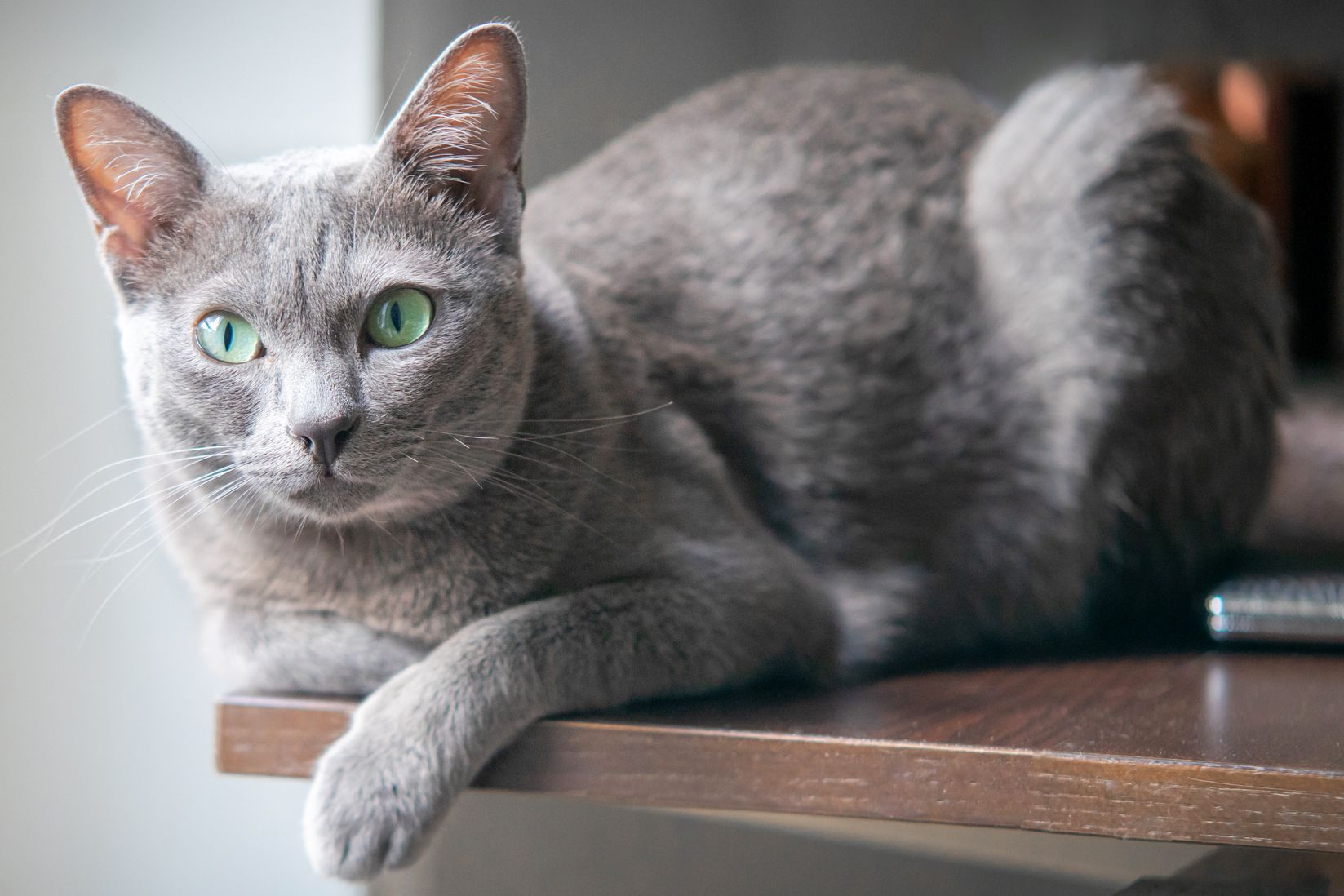
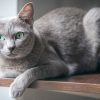
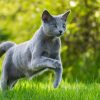
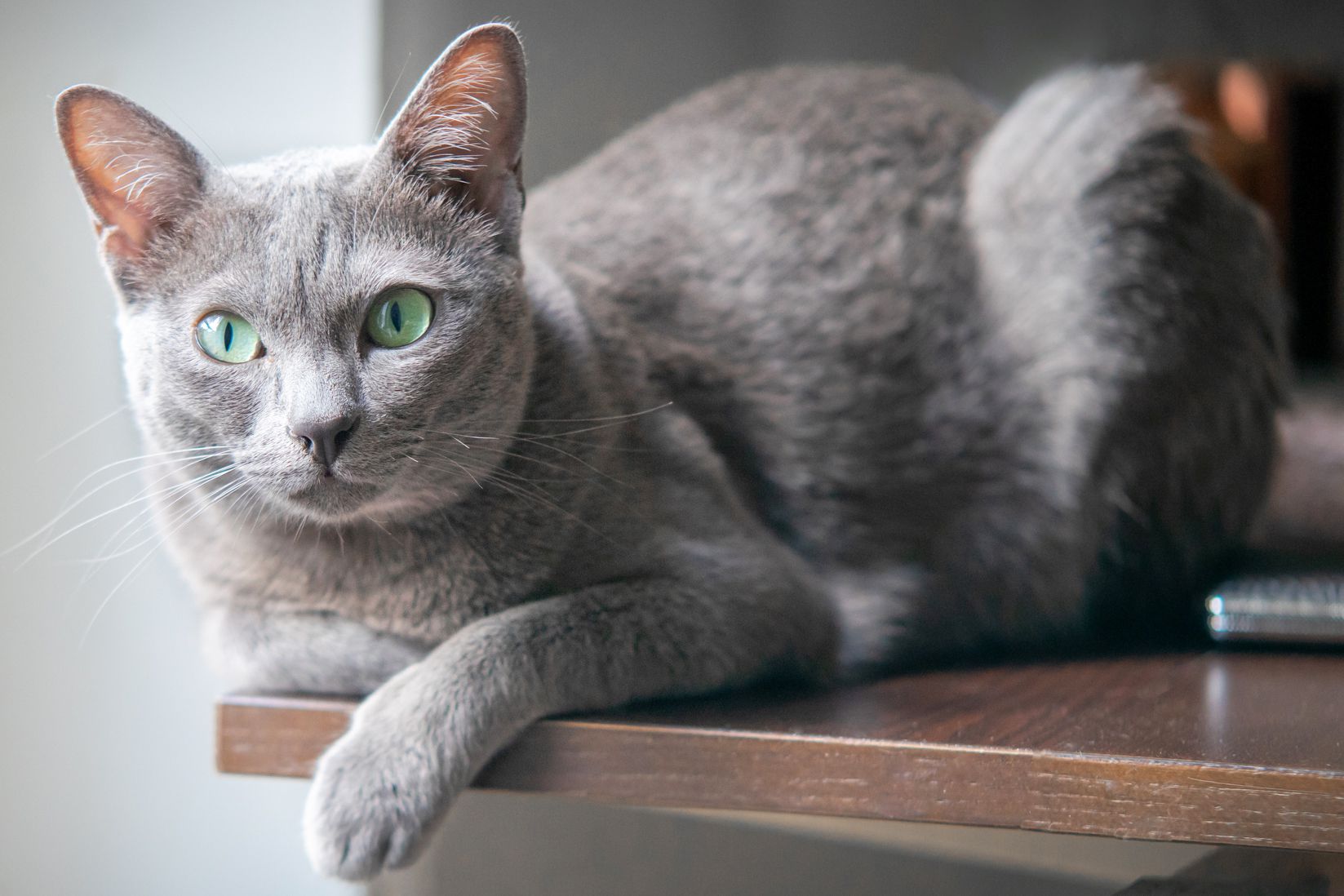
The Korat, an ancient breed originating from Thailand (formerly Siam), is revered for its striking, silvery-blue coat and distinctive, heart-shaped face. Known for being a sensitive and devoted companion, the Korat forms extremely deep bonds with its primary human family members.
These are natural, landrace cats, meaning their appearance and temperament are the result of centuries of natural development rather than human selective breeding. This has resulted in a cat with an exceptionally robust nature and predictable, charming traits.
Korats are highly intelligent, playful, and affectionate, often demanding attention from their chosen people. They typically enjoy playing games and thrive on mental stimulation. However, they are also known for their quiet nature, communicating their needs primarily through soft chirps and trills rather than loud meows. Their acute senses make them easily startled by loud noises or sudden activity, and they generally prefer peaceful, stable environments. Because of their sensitivity and strong bond, they are not ideal for homes where they would be left alone for long periods.
Care
Nutrition
The Korat cat has no specific specialized nutritional needs. Given their lean, muscular build and moderate activity level, maintaining a balanced, high-quality commercial diet is usually sufficient. It is important to provide a diet that is rich in protein to support their muscle mass. Due to their relatively small size, careful portion control is advised to prevent overfeeding. Owners should monitor their weight closely throughout their lives to ensure they remain within the breed’s healthy, slender profile.
Grooming
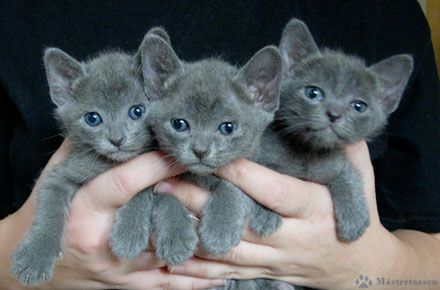
The Korat is considered a low-maintenance breed when it comes to grooming. Their short, single coat (meaning they lack an undercoat) is naturally fine and lustrous, lying close to the body. This unique coat requires only infrequent brushing, typically just once per week, to remove loose hairs and enhance its natural silver sheen. The coat sheds minimally. Regular grooming is not only practical but also provides a much-valued opportunity for interaction and bonding, which the affectionate Korat craves.
Exercise
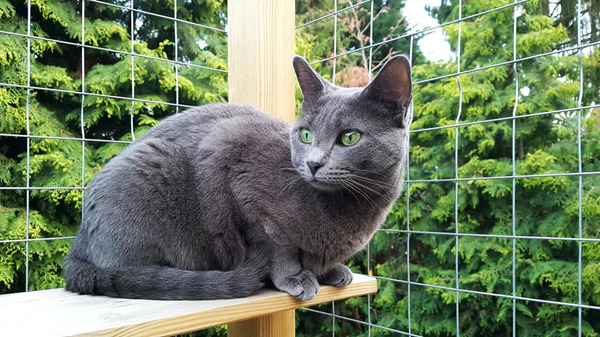
The Korat maintains a healthy level of activity and curiosity throughout its life. While they may not be as overtly hyperactive as some other breeds, they are intelligent and need regular opportunities to explore and play. Owners should prioritize daily interactive play sessions using wand toys or puzzle feeders to keep them mentally engaged. Because of their tendency to startle, exercise should ideally take place in a quiet, predictable environment. Providing vertical space, such as cat trees or shelves, satisfies their natural instinct to climb and observe their surroundings.
Health
The Korat is generally a healthy and hardy breed with an impressive lifespan. Their natural development has provided them with a robust genetic diversity. However, there is one genetic condition that owners and breeders should be aware of:
Gangliosidosis (GM1 and GM2): This is a rare, severe inherited neurological disorder. Responsible breeders can easily screen for this condition using a genetic test, which has significantly reduced its prevalence within the breed.
Prospective owners should ensure that any reputable breeder they consider has tested their breeding stock for Gangliosidosis to greatly reduce the risk in any potential kittens. Beyond this, regular annual veterinary examinations are essential to maintain the Korat’s excellent long-term health.
History
The Korat is one of the world’s oldest and most revered cat breeds, with a history tracing back to the ancient Kingdom of Siam (modern-day Thailand). The breed is famously documented in the “Smud Khoi”, a collection of Thai cat poems written during the Ayutthaya Period (1350–1767). In these poems, the Korat is described as a “good luck cat” possessing the color of rain clouds (blue-gray) and the sheen of silver.
The Korat was historically given only as a gift to honored individuals or royal figures, symbolizing prosperity, health, and a fruitful harvest. They were deeply treasured and rarely sold. The cat takes its name from the Korat province in Thailand, a highland region.
The first documented appearance of the Korat outside of Thailand occurred in the late 19th century in Britain, where it was shown, but often misclassified as a Siamese or Russian Blue. The breed was formally introduced to the United States in 1959 by a couple who had received a pair of Korats as a gift in Thailand.
The breed was quickly embraced, and the Korat was officially recognized by the Cat Fanciers’ Association (CFA) in the U.S. in 1966. Due to the desire to preserve the breed’s authentic, natural lineage, the Korat breed standards remain exceptionally strict, recognizing only the solid, silvery-blue color and requiring proof of Thai ancestry in their foundation lines. The Korat continues to be one of the most treasured and genetically pure natural breeds today.