

Height
20–25 cm (at shoulder)
Adult Weight
2.5–6.0 kg
Life Span
11–15 years
Origin
Scotland (United Kingdom)
Personality and Temperament
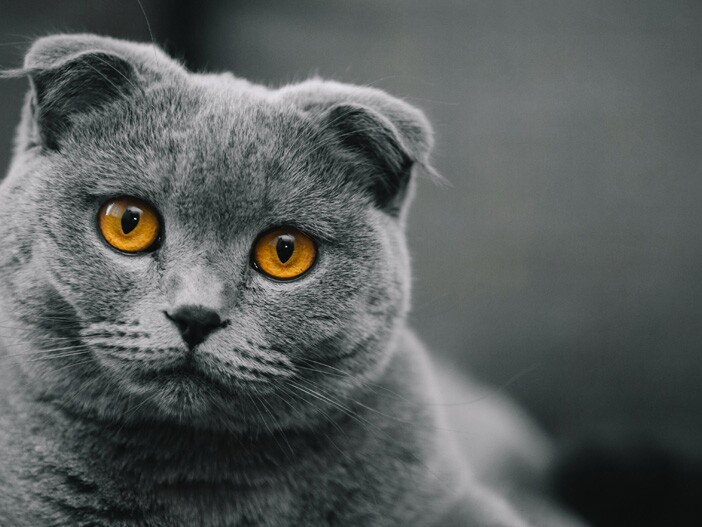
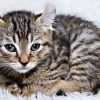
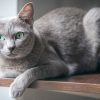
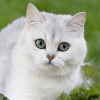
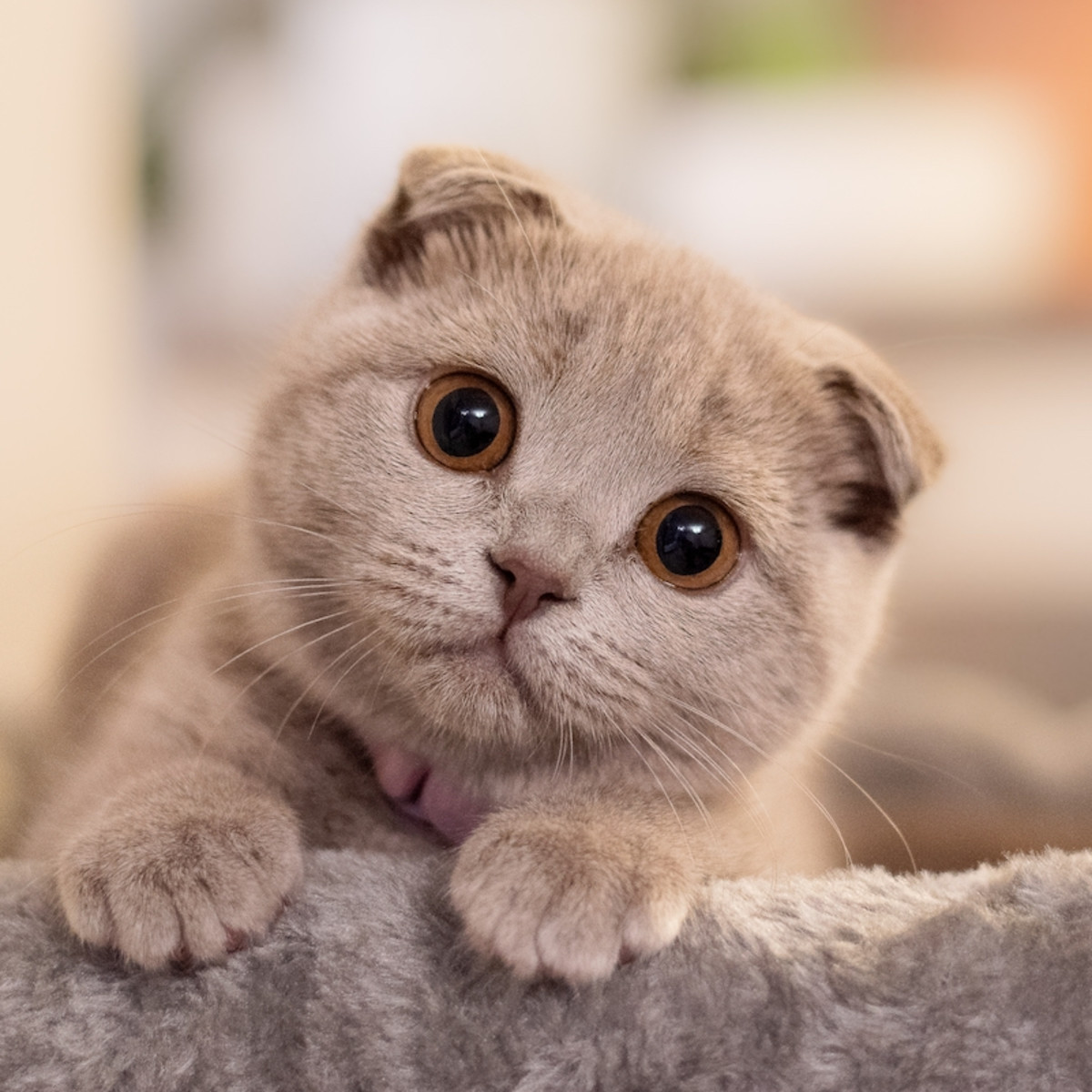
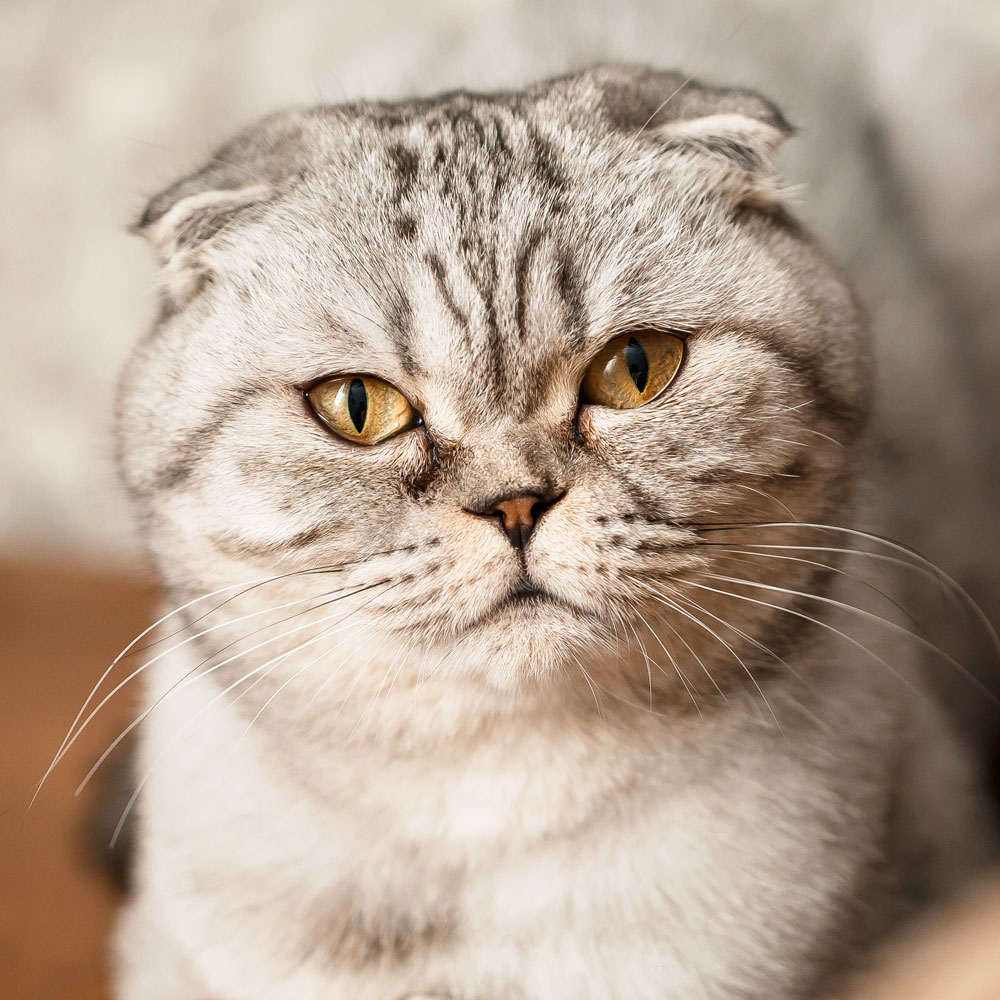
The Scottish Fold is immediately recognizable by its uniquely folded ears—a result of a natural dominant gene mutation that affects the cartilage. Despite this distinctive feature, which gives them an endearing, “owl-like” appearance, they are celebrated for their gentle, serene, and remarkably adaptable personality.
These cats are generally sweet-natured, calm, and devoted to their families. They enjoy attention but are not typically hyperactive or overly demanding. Unlike some highly vocal breeds, the Fold is known for being quiet, communicating its needs mostly through subtle body language and soft trills.
Scottish Folds are intelligent and enjoy moderate interactive play, but they are equally content to observe their surroundings from a comfortable spot. They are highly adaptable and tolerate changes in routine and environment well, making them suitable for most households, including those with respectful children and other pets. However, they strongly value companionship and do not thrive when left alone for long stretches.
Care
Nutrition
Scottish Fold cats do not have unique nutritional needs; however, maintaining an ideal body condition is crucial due to their small-to-medium frame and tendency toward moderate activity. It is important to provide a high-quality, protein-rich diet appropriate for their life stage. Owners must be diligent about portion control and ensure they receive enough encouragement for daily play, as excess weight can put unnecessary strain on their joints, which is a particular concern for this breed.
Grooming
Caring for the Scottish Fold’s coat is relatively easy. They possess a short, dense, and resilient coat (long-haired versions are called Highland Folds).
The shorthaired variety requires only one to two brushings per week to remove loose hair and keep the coat healthy and shiny.
Special attention should be paid to the ears. Due to the folded cartilage, the ears should be checked weekly for wax buildup or debris, as the folded position can make them more prone to infection if not kept clean.
Regular grooming is low-maintenance and provides excellent time for bonding.
Exercise
The Scottish Fold has a moderate activity level and enjoys spurts of playful energy interspersed with long periods of napping. While they are agile, they do not possess the extreme climbing tendencies of some long-bodied breeds. Owners should provide:
Interactive Play: Daily play sessions are necessary to keep them stimulated and prevent weight gain. They enjoy puzzle toys and simple games like chasing a string or wand.
Mental Stimulation: They are intelligent and respond well to varied toys and environmental changes (like new boxes or window perches).
Consistent, moderate exercise is key to supporting their joint health and ensuring their overall well-being.
Health
The Scottish Fold is generally a robust breed, but its defining characteristic—the folded ear—is tied to a serious genetic consideration:
Osteochondrodysplasia (OCD): This is a genetic disorder affecting cartilage and bone development throughout the body, most notably causing the ear fold. If the gene is present in two copies (homozygous), it can cause severe, painful arthritis and fused joints in the tail, ankles, and knees.
Responsible breeding is mandatory. Reputable breeders only breed a folded-ear cat with a straight-eared cat (outcross), ensuring the kittens only receive one copy of the gene (heterozygous) to minimize the risk of severe joint issues. Prospective owners must ensure the breeder provides a health guarantee and documentation that the Fold parent was outcrossed to an American or British Shorthair.
History
The history of the Scottish Fold began with a single barn cat named Susie on a farm near Coupar Angus, Scotland, in 1961. Susie possessed the naturally occurring gene mutation that caused her ears to fold forward. A local farmer and cat enthusiast, William Ross, acquired one of Susie’s female offspring.
Ross, along with geneticists, began a focused breeding program to solidify the trait. They soon discovered the need to outcross the Folded cats with straight-eared domestic cats to maintain health and prevent severe bone deformities. This practice of outcrossing remains mandatory for the health of the breed today.
The breed was introduced to the United States in 1971 and quickly gained popularity. It was recognized by the Cat Fanciers’ Association (CFA) in 1978. Due to concerns about the genetic disorder associated with the folded ear, some international associations, like the Governing Council of the Cat Fancy (GCCF) in the UK, do not recognize the breed. Nevertheless, the Scottish Fold is globally cherished for its unique appearance, gentle disposition, and adaptability.