

Height
10″-12″
Adult Weight
7-12 pounds
Life Span
12-15 years
Origin
UK
Personality and Temperament
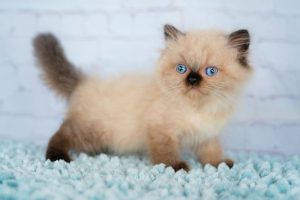
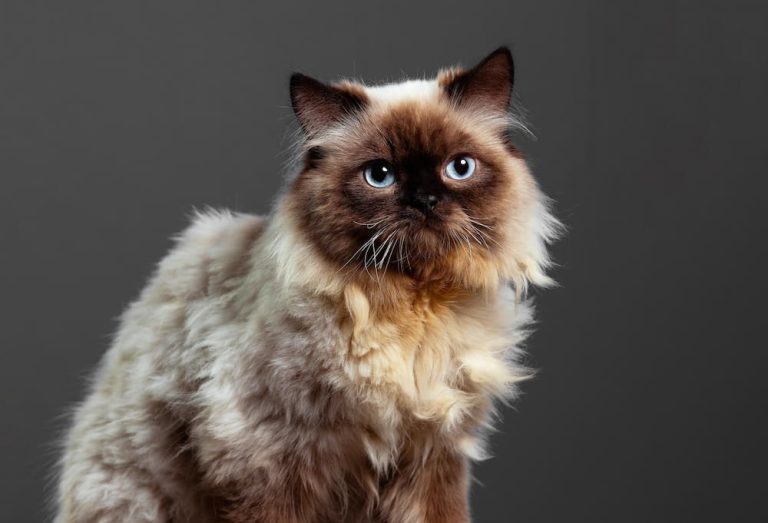
Himalayan cats are indeed known for their laid-back and loving temperament, which makes them ideal companions for a quieter household. One thing worth adding is that their calm nature doesn’t mean they’re totally low-energy. They do enjoy playtime, especially when it involves interactive toys like feather wands or laser pointers, though they’re not as hyperactive as some other breeds. Their playful side tends to emerge more in short bursts, and they can easily switch from a fun, active mood to curling up in your lap for a nap.
Also, because of their long, luxurious coats, they require regular grooming. If you don’t mind spending time brushing them (which many owners find to be a bonding experience), they’ll appreciate the attention. But without proper grooming, their fur can become matted, which can be uncomfortable for them.
Another thing to note is that Himalayans tend to be a bit sensitive to changes in their environment. They prefer stability and may become stressed with loud noises or sudden disruptions, so it’s important to keep their surroundings calm and predictable.
Overall, if you’re looking for a cat that’s affectionate, intelligent, and relatively low-maintenance in terms of activity level, the Himalayan is a great choice!
Care
Nutrition
Himalayan cats are prone to obesity, so it’s essential to ensure they get enough playtime and follow a balanced diet to maintain a healthy weight.
Grooming
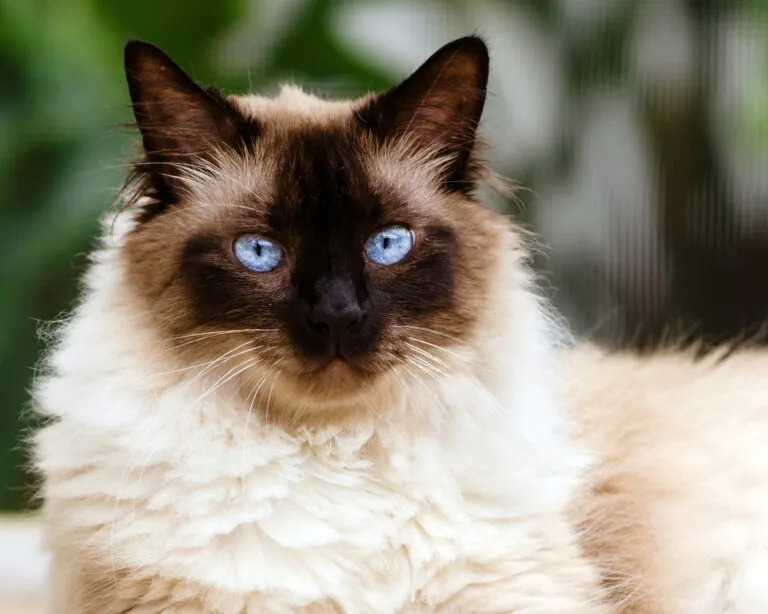
Himalayan cats require daily grooming to maintain their stunning coats, highlighting the special care they need to stay happy and healthy. Recognized as a unique breed by many cat associations, Himalayans are known for their luxurious fur, which demands regular maintenance. If you adore their beautiful appearance and gentle temperament, our comprehensive guide will provide you with all the information you need on their care and personality.
Exercise
Himalayan cats require daily exercise to avoid weight gain, but due to their laid-back nature, it’s up to owners to engage them in play. To encourage activity, use interactive toys like feather wands, laser pointers, and puzzles, and offer climbing structures such as cat trees to fulfill their instinctual needs and keep them both active and content.
Health
While Himalayan cats often enjoy long, healthy lives, their close genetic connection to Persians makes them more susceptible to conditions like polycystic kidney disease and progressive retinal atrophy. They also inherit the flat-faced (brachycephalic) features of the Persian, which can lead to tear drainage problems and potentially cause breathing difficulties. Additionally, Himalayans are prone to obesity, so regular exercise and a balanced diet are essential for maintaining a healthy weight.
History
In the 1950s, early breeding programs crossed Persian cats with Siamese cats to create the Himalayan breed. Marguerita Goforth is credited with refining the modern-day Himalayan that we recognize today. The breed inherited its luxurious coat from the Persian and its striking blue eyes and colorpoint markings from the Siamese. Due to their long fur, Himalayans require daily grooming to prevent matting, tangles, and hairballs. The Cat Fanciers’ Association officially recognized the Himalayan as a breed in 1957. However, some cat registries consider the Himalayan to be a color variation of the Persian rather than a distinct breed.