

I am text block. Click edit button to change this text. Lorem ipsum dolor sit amet, consectetur adipiscing elit. Ut elit tellus, luctus nec ullamcorper mattis, pulvinar dapibus leo.
A–Z Guide to Cat Health Symptoms
Abdominal Pain in Cats
Abdominal pain in cats can have many causes, including gastrointestinal issues (like gastroenteritis or foreign bodies), organ inflammation (pancreatitis, liver or bladder problems), peritonitis (inflammation of the abdominal lining), and trauma. Sometimes, pain from outside the abdomen, such as back injuries, can also appear as abdominal pain.
Common symptoms include:
Tension or sensitivity when the belly is touched
Vomiting, diarrhea, or reduced appetite
Lethargy, bloating, or abnormal behavior
Signs of urinary discomfort
Hiding or aggression
A major concern with abdominal pain is loss of appetite, which can lead to serious complications like hepatic lipidosis. Diagnosis usually involves a vet exam, x-rays, and ultrasound to find the exact cause.
Treatment depends on the underlying issue and may include medication, fluid therapy, or surgery. Pain relief alone is not enough—it’s essential to treat the root cause.
Because cats often hide pain, it’s important to seek veterinary advice early if you notice any of these signs.
Anorexia in Cats
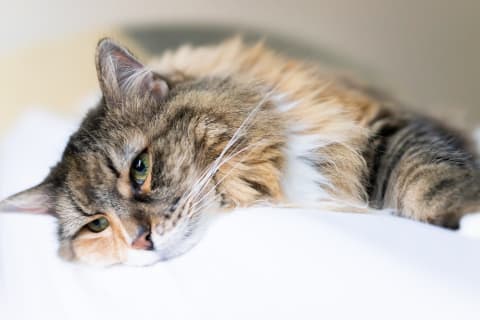
Anorexia in cats refers to a decreased or complete loss of appetite and is a symptom of an underlying issue—not a disease itself. Causes can range from minor issues like hairballs or stress to serious conditions like kidney disease, pancreatitis, or cancer. It can also be classified as true anorexia (loss of desire to eat) or pseudo-anorexia (wanting to eat but unable, e.g., due to dental pain).
Signs include reduced food intake, weight loss, vomiting, drooling, lethargy, mood changes, and more. Diagnosis typically involves a physical exam and diagnostic tests such as bloodwork, x-rays, or ultrasounds to find the root cause.
Prompt treatment is crucial. Depending on the cause, treatment may include medications, appetite stimulants, fluids, or supportive care. In severe or prolonged cases, cats risk developing hepatic lipidosis (fatty liver disease), which can be life-threatening.
Encouraging eating through stress reduction, warming food, or using favorite treats may help, but veterinary care is essential if the loss of appetite lasts more than 24–48 hours.
Blood in Cat Urine (Hematuria)
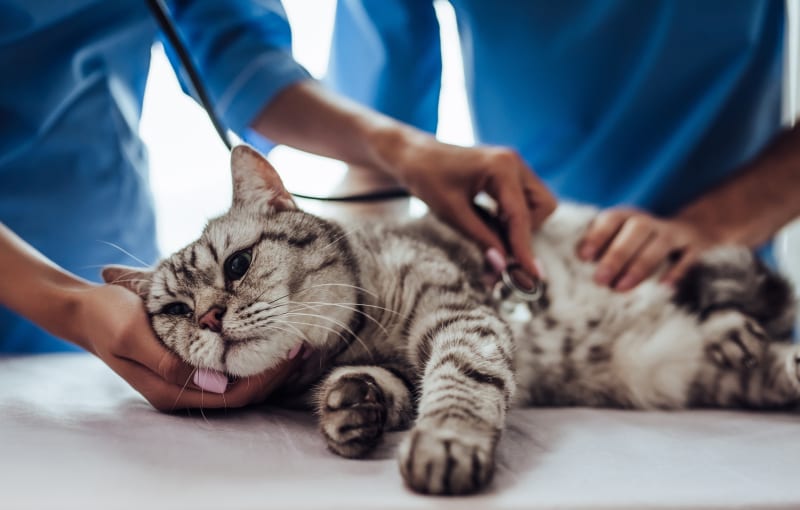
Blood in a cat’s urine (hematuria) is often a sign of urinary tract disease and should always prompt a vet visit. The most common cause is Feline Idiopathic Cystitis (FIC), often linked to stress. Other causes include urinary tract infections, bladder stones, tumors, or kidney issues. FIC is more common in indoor, overweight cats on dry diets and is often triggered by stress.
Symptoms include visible blood in urine, frequent litter box visits, straining, crying during urination, or urinating outside the box. A blocked urethra (more common in males) is a medical emergency and can be fatal within hours.
Diagnosis usually involves a physical exam, urine tests, ultrasound, and sometimes bloodwork or x-rays. Treatment depends on the cause and may include pain relief, antibiotics, dietary changes, stress reduction, or emergency catheterization in case of blockages.
Cats with chronic FIC benefit from environmental enrichment (MEMO), increased water intake (wet food, fountains), and stress management. In rare cases, underlying kidney disease or cancer may be the cause.
Prompt vet care and hydration are key to managing urinary tract disease and preventing recurrence.
Can Cats Get Hiccups?
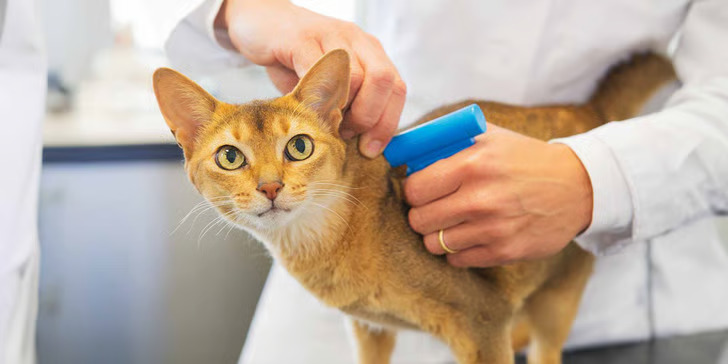
Yes, cats can get hiccups, just like humans and other mammals. Cat hiccups are caused by involuntary diaphragm spasms and often sound more like a soft chirp than the typical human hiccup.
Common causes include:
Eating too fast
Hairballs
Kittens’ immature nervous systems
Less commonly: parasites, asthma, heart disease, allergies, or even tumors
Hiccups are usually harmless and go away on their own. However, frequent or sudden onset hiccups, especially in older cats, could signal an underlying health issue and warrant a veterinary checkup—particularly if other symptoms are present (vomiting, lethargy, appetite loss, etc.).
Helpful tips:
Use slow feeders or food puzzles to reduce rapid eating.
Separate feeding areas if your cat is rushed by other pets.
Groom your cat regularly to reduce hairball-related hiccups.
Try hairball-control diets or supplements like Laxatone.
There is no direct link between hiccups and purring, though both can occur in relaxed or content cats.
If hiccups persist for over a day or are severe, consult your vet to rule out more serious causes.
Cat Dandruff
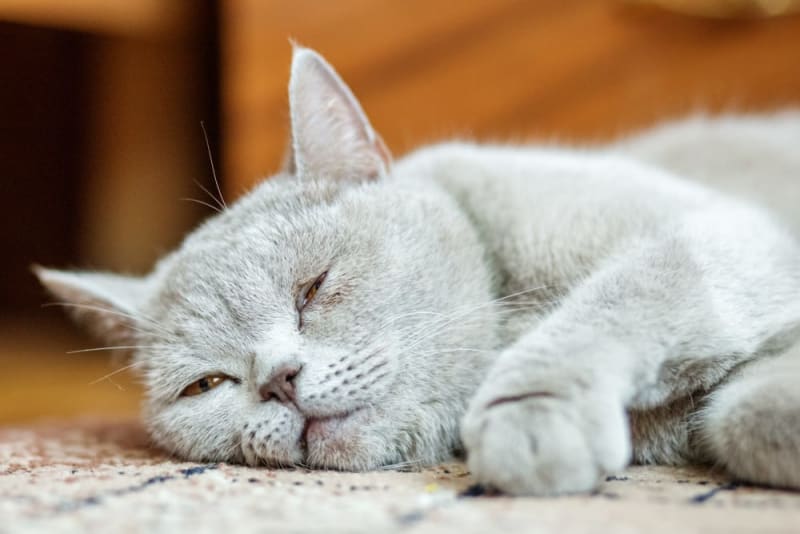
While cats are excellent groomers, dandruff (large white flakes) may still appear—especially along the back. It differs from regular dander, which is usually microscopic. Dandruff occurs when dead skin cells mix with skin oil and become visible flakes.
Common causes of cat dandruff include:
Poor diet, especially low in omega-3 fatty acids
Inadequate grooming (common in obese or arthritic cats)
Parasites (e.g., Cheyletiella mites or fleas)
Fungal infections like ringworm
Allergies (to food or environmental factors)
In most mild cases, dandruff can be improved by:
Brushing daily to remove dead skin and distribute oils
Feeding high-quality, omega-rich food or supplements
Using a humidifier in dry environments
Applying pet-safe topical treatments (e.g. mousses or drops containing ophytrium or phytosphingosine)
Avoid human dandruff shampoos, which may harm your cat.
See a vet if:
Your cat is itchy, losing fur, or has red, sore patches
Dandruff appears suddenly or worsens
You suspect parasites, ringworm, or allergies
Addressing the underlying cause is key. Prevention includes proper grooming, diet, parasite control, and managing joint or weight issues to support self-grooming.
Cat Grinding Teeth
Teeth grinding in cats, known as bruxism, is usually a sign of pain and should never be ignored. The most common cause is oral discomfort, often from dental disease such as tooth resorption, gum disease, broken or loose teeth, or foreign objects in the mouth. Other possible causes include misaligned teeth, oral tumors, or even a fractured jaw.
In some cases, grinding may be due to pain elsewhere in the body (e.g. pancreatitis, arthritis) or stress. Rarely, neurological conditions like seizures may cause it.
Signs that may accompany bruxism include:
Drooling
Difficulty eating
Bad breath
Swelling or facial pawing
Weight loss or appetite changes
Diagnosis usually requires a vet exam, possibly under anesthesia, along with dental x-rays. Treatment depends on the cause and may involve dental work, pain relief, or other medical therapies.
Prevention: Brush your cat’s teeth regularly, provide VOHC-approved dental products, and schedule annual veterinary dental checkups.
Bottom line: Bruxism is not normal. If your cat grinds their teeth, consult your vet promptly to identify and treat the underlying issue.
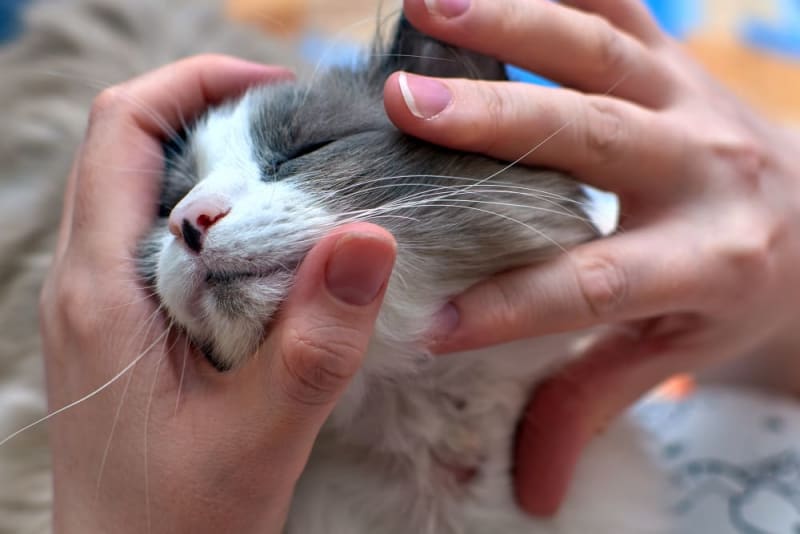
Cat Head Pressing
Head pressing is when a cat compulsively pushes its head against walls or objects. This is not the same as affectionate head-butting (bunting). Instead, it’s a serious sign that something is wrong—usually involving the central nervous system.
Common causes include:
Brain disorders (e.g. tumors, encephalitis, meningitis)
Liver disease (like portosystemic shunts causing hepatic encephalopathy)
Toxins or poisoning
Infections (viral, bacterial, fungal)
Neurological trauma or injury
Stroke-like events due to blood clots
Cats may also show other symptoms such as circling, drooling, vision loss, seizures, and uncoordinated movement.
When to act:
If you see your cat head pressing, don’t wait—this is an emergency. Take them to a vet immediately and, if possible, record a video of the behavior.
Diagnosis may require:
Bloodwork and urinalysis
Blood pressure measurement
Eye exam
MRI or CT scans
Treatment depends on the cause and could involve medication, surgery, hospitalization, or referral to a specialist.
Cat Losing Weight
Why Monitoring Your Cat’s Weight Matters
Cats can hide weight changes under their fur, making it hard to notice gradual loss. Regularly checking your cat’s body condition and weight helps spot issues early.
Signs of Weight Loss
Visible ribs and spine
Distinct waistline
Tucked-up tummy
Reduced appetite, vomiting, diarrhea, poor coat, low energy
Common Causes of Weight Loss in Cats
Dietary Issues: Not eating enough, food quality, or access problems.
Stress: Anxiety from changes in the environment or other pets causing loss of appetite.
Intestinal Parasites: Worms causing weight loss despite increased appetite.
Dental Problems: Pain making eating difficult.
Hyperthyroidism: Overactive thyroid increasing metabolism and causing weight loss.
Diabetes: Increased thirst, urination, poor appetite, and weight loss.
Kidney Disease: Poor kidney function leading to loss of appetite and weight.
Viral Diseases: Such as Feline Leukemia Virus (FeLV) or FIV.
Intestinal Disease: Includes cancers, inflammatory bowel disease, allergies.
Other Illnesses: Liver disease, heart disease, cancer, infections, or chronic pain.
When to Worry
Any unexpected or unexplained weight loss warrants veterinary attention promptly to diagnose and treat underlying causes.
Treatment
Treatment depends on the cause and can include:
Deworming medication
Diet adjustments
Stress management
Medication or surgery for hyperthyroidism, diabetes, dental disease
Supportive care for chronic or viral diseases
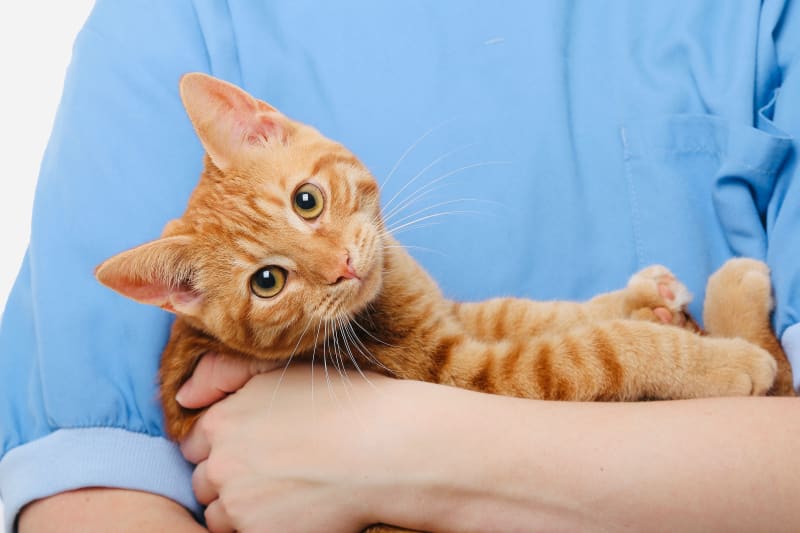
Cat Nausea
Nausea in cats is a feeling of sickness that often leads to vomiting, but since cats can’t communicate this, owners must watch for signs like loss of appetite, drooling, dullness, and retching. Nausea is common but often underdiagnosed in cats and can result from many causes, including gastrointestinal diseases (like IBD or hairballs), abdominal disorders (pancreatitis, liver or kidney disease), metabolic issues (diabetes, hyperthyroidism), toxins, motion sickness, and nervous system problems.
If your cat vomits repeatedly or shows signs of nausea, a vet visit is essential. Diagnosis may involve a detailed history, physical exams, blood and urine tests, and possibly imaging like X-rays or ultrasounds. Treatment focuses on addressing the underlying cause, which will typically resolve the nausea. In the meantime, vets may prescribe anti-nausea medications like maropitant (Cerenia) to ease symptoms.
Costs vary depending on the condition but can range from a few hundred to thousands of dollars for complex diseases. Monitoring and prognosis depend on the specific cause and your vet’s guidance. Prompt veterinary care is crucial to help your cat feel better and recover fully.
Cat Suddenly Lethargic and Weak
Sudden lethargy in cats means a rapid loss of energy and interest in normal activities. A lethargic cat may lie down most of the day, seem weak, hide away, and refuse to eat. This is different from normal tiredness, as lethargic cats remain unresponsive and inactive.
Mild lethargy can result from stress or anxiety due to changes at home or environmental factors. Moderate to severe lethargy usually signals illness or injury. Common causes include infections with fever, pain, dehydration, metabolic issues like diabetes or anemia, parasites, poisoning, heart or respiratory disease, liver or kidney problems, cancer, gastrointestinal or urinary tract diseases, and neurological disorders.
Veterinarians diagnose lethargy through history, physical exams, blood and urine tests, and possibly imaging. Treatment depends on the underlying cause and may involve antibiotics, pain relief, fluids, surgery, or other supportive care.
Costs vary widely, from a few hundred dollars for simple cases to thousands for complex illnesses. Prognosis depends on the diagnosis and response to treatment. Prompt veterinary attention is vital to help your cat recover.
Cat Swollen Nose
Cats rely on their noses for sensing their environment, so swelling—whether inside the nasal passages or externally on the nose—is concerning. Internal swelling (rhinitis or rhinosinusitis) is common and caused by viruses (like feline herpesvirus), bacteria, fungi, allergies, foreign objects, nasal polyps, or cancer. This swelling usually isn’t visible externally but causes sneezing and nasal discharge.
External swelling on the nasal bridge or face is less common but more visible and serious, often caused by trauma, fungal infections (especially Cryptococcus), or cancer.
See a vet if your cat has visible swelling, repeated sneezing, bloody or thick nasal discharge, facial wounds, or signs like lethargy or loss of appetite.
Diagnosis may involve exams, imaging, PCR tests, or biopsies. Treatment depends on the cause: antivirals and supportive care for viruses, antibiotics for bacterial infections, antifungals for fungal infections, antihistamines for allergies, surgery for polyps or trauma, and radiation or chemotherapy for cancer.
Prevention includes vaccinating kittens (FVRCP vaccine), reducing indoor allergens, trimming nails to prevent trauma, and monitoring outdoor cats.
Early vet care is vital to effectively treat nasal swelling and prevent complications.
Cat Throwing Up Foam
Cats vomiting foam is common and can signal various health issues. Foam vomit is usually bile and mucus, occurring when the stomach is empty. Causes range from mild gastrointestinal upset and intestinal parasites to infections, food allergies, inflammatory bowel disease, foreign bodies, cancer, and systemic diseases like diabetes or kidney issues.
If your cat vomits foam once but acts normal, monitor them closely. However, if vomiting happens three or more times in a day, or if your cat shows lethargy, loss of appetite, or other illness signs, contact your vet promptly.
Diagnosis may include physical exams, bloodwork, x-rays, and ultrasounds to identify the cause. Treatments depend on the underlying issue and may include anti-nausea meds, antibiotics, worming, special diets, or surgery for serious problems like blockages or tumors.
Prevention tips include feeding quality food, providing fresh water, keeping vaccinations and worming up to date, and monitoring your cat’s health.
If your cat is frequently vomiting foam or you have concerns, consult your veterinarian for a proper diagnosis and treatment plan.
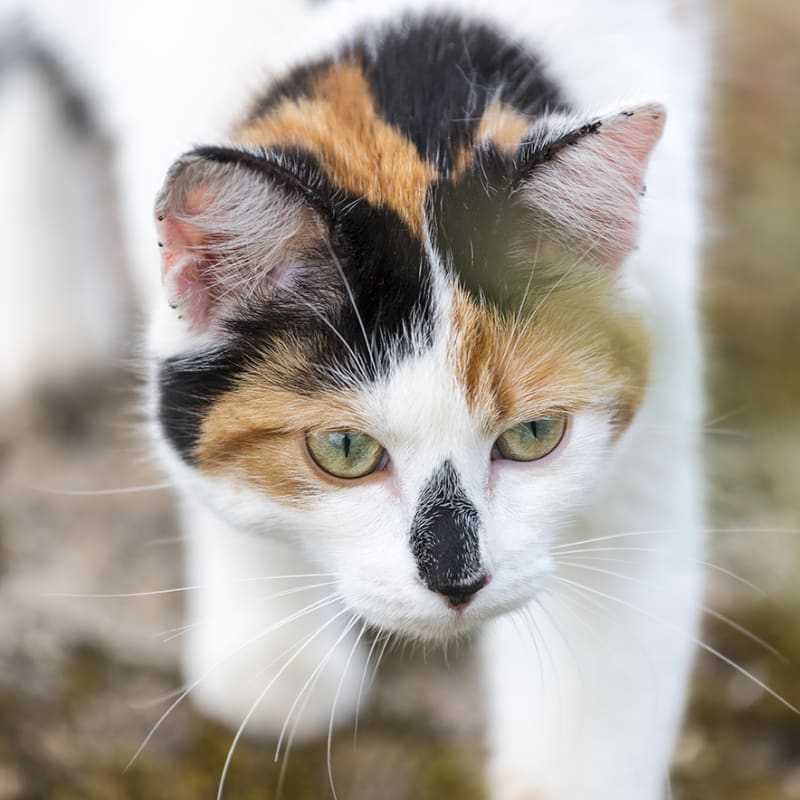
Cat Vomiting Blood
Vomiting blood in cats is a medical emergency requiring immediate veterinary attention. Blood in vomit can appear bright red (fresh bleeding in the upper GI tract) or look like coffee grounds (partially digested blood), both indicating serious issues.
Common causes include stomach ulcers, inflammatory bowel disease (IBD), ingestion of foreign objects or rat poison, gingivitis, parasites, cancer (like mast cell tumors), clotting disorders, and side effects from certain medications such as NSAIDs.
If your cat vomits blood, contact your vet promptly. Be ready to provide details on the vomit’s appearance, timing, and any other symptoms. Diagnostic tests may include bloodwork, clotting profiles, fecal exams, x-rays, and ultrasounds.
Treatment depends on the cause but often involves intravenous fluids, anti-nausea medication, antibiotics, dewormers, and medications to protect the GI tract lining. Severe cases may require hospitalization.
At home, follow your vet’s advice carefully, including feeding a gentle, easily digestible diet to support healing.
Blood in cat vomit is never normal—quick action and veterinary care are essential to ensure your cat’s health and recovery.
Cat Vomiting
Vomiting in cats—also called emesis—is the forceful emptying of stomach contents. It’s important to distinguish vomiting from regurgitation, which is effortless and involves food coming up from the esophagus, not the stomach.
Hairballs are a common cause of vomiting, but repeated vomiting or vomiting without producing a hairball can signal serious problems.
Common causes of vomiting include infections, food poisoning, hairballs, foreign bodies, poisoning (like rodent poison or toxic plants), pancreatitis, inflammatory bowel disease, cancer, kidney or liver disease, and allergies.
If your cat vomits once and acts normal, watch closely but don’t panic. However, persistent vomiting (more than once or twice in 24 hours), vomiting with blood, or any signs of illness (lethargy, loss of appetite, diarrhea) require prompt veterinary care.
Treatment varies with the cause but may include anti-nausea medications, fluids for dehydration, dietary changes, and specific treatments for underlying diseases.
Never ignore vomiting in cats, especially if it’s frequent, prolonged, or includes blood. Quick veterinary attention can save your cat’s life and prevent costly complications.
Changes in Urination Behavior
Straining to urinate, urinating outside the litter box, crying in the litter box, or producing only small amounts of urine can indicate a urinary tract infection (UTI), bladder stones, cystitis, or feline lower urinary tract disease (FLUTD). In male cats especially, urinary blockages can become fatal within hours. If your cat shows any of these signs, seek veterinary help immediately. Treatment may include antibiotics, pain relief, urinary acidifiers, special diets, or even catheterization. Keep litter boxes clean, ensure adequate water intake, and feed a balanced diet to help prevent urinary issues.
Colitis in Cats
Understanding Colitis in Cats: What You Need to Know
What is Colitis?
Colitis is inflammation of the colon (large intestine), causing discomfort and digestive upset. It can be acute (sudden) or chronic (long-lasting). The colon’s role in digestion means inflammation here often leads to diarrhea and other signs.
Causes of Colitis
Colitis can be triggered by many factors, including:
Food allergies or intolerances (common in inflammatory bowel disease)
Infections (viral, bacterial, parasites like Giardia)
Ingesting irritants or foreign objects
Side effects of medications
Other diseases such as tumors
Signs to Watch For
Frequent small amounts of diarrhea with mucus or blood
Straining to defecate (tenesmus)
Urgency or accidents outside the litter box
Weight loss or increased gas
Diagnosing Colitis
Veterinarians will:
Take a thorough history
Perform a physical exam
Conduct blood, urine, and fecal tests
Use imaging like X-rays or ultrasound
Sometimes perform endoscopy with biopsy
Treatment Options
Special diets: novel protein or hydrolyzed protein diets help reduce allergies
Soluble fiber and probiotics to support gut health
Deworming medication if parasites are found
Occasionally antibiotics or anti-inflammatory drugs under vet supervision
In severe cases, immunosuppressive drugs or surgery if tumors are present
Prognosis & Monitoring
Most cats respond well to treatment with proper veterinary care. Ongoing monitoring is important to prevent relapses. Chronic or severe cases require long-term management.
When to Seek Help
If your cat has diarrhea lasting more than 1-2 days, is straining, or shows blood in stool, consult your veterinarian promptly.
Diarrhea in Cats
Diarrhea is one of the most common reasons cats visit the vet. It can come on suddenly or be a long-term problem, and it’s caused by many different things—from dietary changes to infections or even serious illnesses like cancer or inflammatory bowel disease.
When your cat has diarrhea, it might strain to poop, have loose stools, or even show mucus or blood in their litter box. Diarrhea can make your cat feel uncomfortable and can cause dehydration or weight loss if it lasts too long.
There are two main types of diarrhea in cats: large bowel diarrhea (smaller, frequent stools with straining) and small bowel diarrhea (larger, more watery stools without straining). Both types need attention, especially if they don’t improve quickly.
If your cat has diarrhea, your vet will likely ask about their diet, environment, and health history. Tests might include stool checks for parasites, blood work, and sometimes imaging to find the cause.
Mild cases often get better with a bland diet or probiotics, but some cats need medication like dewormers or antibiotics. If diarrhea is severe or persistent, it’s important to get your cat checked by a vet to prevent complications.
To help prevent diarrhea, keep your cat’s diet consistent, avoid giving them garbage or new foods suddenly, and keep up with regular vet visits.
Difficulty Breathing (Dyspnea)
If your cat is breathing rapidly, with its mouth open, or appears to be struggling for air, this could be a medical emergency. Causes include feline asthma, heart disease, fluid in the lungs (pulmonary edema), or infections like pneumonia. Other signs may include blue-tinged gums, extended neck while breathing, or hiding behavior. Never delay veterinary care—labored breathing can become life-threatening quickly. At home, reduce stress, avoid strong smells, and keep the cat in a calm, well-ventilated space until you reach a vet. Oxygen therapy, X-rays, and medication may be needed to stabilize and treat the underlying cause.
Do Cats Snore
Yes, cats can snore! Although it’s more common in dogs, some cats snore when they sleep. Usually, snoring happens because the tissues in a cat’s nose, mouth, or throat vibrate as they breathe. Sometimes it’s just from sleeping in a funny position and nothing to worry about.
Some cats snore more because of their body shape or health. Overweight cats may snore since extra fat around their neck can press on their airway. Certain breeds with flat faces—like Persians, Himalayans, and Scottish Folds—have shorter airways and smaller nostrils, which makes snoring more common.
However, snoring can also signal health problems like allergies, infections, nasal inflammation, or even a foreign object stuck in their nose. If your cat suddenly starts snoring loudly, seems to struggle breathing, or shows other symptoms like coughing, sneezing, or nasal discharge, it’s a good idea to visit the vet.
Treatment depends on the cause and can include medications, weight loss plans, or sometimes surgery. For minor cases, a humidifier near your cat’s sleeping spot might help ease snoring by keeping their airways moist.
So, while some snoring is normal, keep an eye on your furry friend and get veterinary advice if you’re concerned!
Excessive Thirst (Polydipsia)
If your cat drinks significantly more water than usual, it might indicate underlying issues like diabetes, kidney disease, or hyperthyroidism. Increased thirst often accompanies increased urination. Monitoring this behavior is crucial because it often signals metabolic or hormonal imbalances. Prompt veterinary evaluation is needed to diagnose the cause and manage it properly.
Excessive Vocalization
While some cats are naturally chatty, a sudden increase in meowing, yowling, or crying—especially at night—can be a sign of stress, pain, cognitive dysfunction (in older cats), or conditions like hyperthyroidism. If your cat is also restless, losing weight, or acting differently, it’s time for a vet visit. Pain (e.g., arthritis or dental disease) is another common trigger. Try to identify patterns: Is your cat hungry, bored, or disoriented? Don’t punish vocalizing cats—instead, rule out medical causes first. In some cases, calming products, behavior modification, or medication may help.
Excessive Salivation (Hypersalivation or Drooling)
Mild drooling can be normal (especially in relaxed or purring cats), but excessive, sudden drooling often signals a problem. Causes include dental disease, mouth injuries, nausea, poisoning, or foreign objects stuck in the mouth. Look for bad breath, difficulty eating, or pawing at the mouth. If your cat’s drooling is accompanied by lethargy, vomiting, or dilated pupils, go to the vet immediately—this may be poisoning. Treatment depends on the cause: dental cleaning, removal of oral foreign bodies, anti-nausea medications, or toxin treatment may be necessary. Regular dental checks can help prevent drooling related to oral health.
Flatulence in Cats
Do Cats Really Fart?
Yes, cats do fart! Just like all mammals, cats have gas in their digestive system, which sometimes needs to escape. A little bit of gas is normal, but if your cat is farting a lot, has really smelly gas, or shows other symptoms like diarrhea, vomiting, or weight loss, it’s a good idea to check with your vet.
What Causes Cat Gas?
There are several reasons why your kitty might be gassy:
Swallowing air: Eating too fast or breathing problems can cause extra air in the gut.
Intestinal parasites: Worms or other bugs can cause inflammation and gas.
Food sensitivities: Many cats don’t digest certain ingredients well, like chicken, dairy, or soy. Changing foods too quickly can also upset their stomach.
Other health issues: Problems like inflammatory bowel disease or infections can lead to gas.
What Should You Do?
If your cat’s gas seems excessive, start with a vet visit to rule out parasites or illness. Feeding slower or using special puzzle feeders can help if your cat gulps food too fast. Switching to a high-quality, easily digestible diet recommended by your vet might also reduce gas—just do it slowly to avoid tummy troubles.
Though cat farts are usually harmless, they can signal that your cat’s digestion needs some TLC!
Fever in Cats
Fever in Cats: What You Need to Know
Fever in cats means their body temperature is higher than normal—usually above 103.1°F (39.5°C). It happens when their immune system fights infections, inflammation, or other health problems. A mild fever helps protect them, but a very high fever (over 106°F/41°C) can be dangerous and needs urgent vet care.
Signs Your Cat Might Have a Fever
Watch for low energy, loss of appetite, shivering, faster breathing or panting, and sometimes vomiting or sneezing. Cats are good at hiding illness, so even subtle changes matter.
How to Check Their Temperature
Taking a cat’s temperature can be tricky. A vet usually uses a rectal thermometer for accuracy. You can use an ear thermometer at home for a rough check—anything above 102°F (38.9°C) in a sick cat should prompt a vet visit.
Common Causes
Fever can be caused by infections (viral, bacterial, fungal), injuries, cancer, or certain medications.
What the Vet Does
Your vet will examine your cat and may run tests like blood work or x-rays to find the cause.
Helping Your Cat at Home
Keep your cat comfortable, encourage fluids and food, and gently cool them with a damp cloth if needed. Quick vet care and lots of love make a big difference!
Flea Allergy Dermatitis in Cats
Flea Allergy Dermatitis (FAD) is an allergic reaction some cats have to flea saliva, causing more severe itching and skin problems than typical flea bites. Even just one flea bite can trigger intense symptoms in allergic cats.
Symptoms of FAD
Common signs include intense itching, small crusty red bumps (papules), hair loss from overgrooming, and irritated or raw skin patches. These often appear on the head, neck, and base of the tail. Cats with FAD may scratch and groom excessively, sometimes leading to secondary infections.
Diagnosing FAD
Vets diagnose FAD by spotting fleas or flea dirt (tiny black specks of flea feces), examining characteristic skin lesions, and sometimes performing allergy tests. It’s important to note that fleas might not always be visible since cats groom them away, but the allergic reaction can still be severe.
Treatment Options
Treatment focuses on killing fleas and calming the allergic reaction. Flea control includes oral or topical medications, regular home cleaning, and sometimes professional pest control. Steroids and antihistamines help reduce itching and inflammation. If scratching causes infections, antibiotics may be necessary.
Prevention
Preventing flea bites is key. Regular flea prevention on all pets and treating the home environment prevent infestations. Outdoor cats are harder to protect due to exposure to fleas outside, so rapid-acting flea treatments and environmental controls are essential.
At-Home Care
Keep all pets treated with flea prevention and maintain a clean environment. Feeding a balanced diet supports skin health and overall recovery.
Food Intolerance in Cats
Cats can’t just eat any food or scraps—many suffer from adverse food reactions, which come in two main types: food allergies and food intolerances. Food allergies involve the immune system reacting to a specific allergen, while food intolerances are generally digestive issues without immune involvement.
Common Signs of Food Intolerance
Watch for frequent vomiting, chronic diarrhea, noticeable flatulence, unexplained weight loss, and increased lethargy. While occasional digestive upset is normal, ongoing symptoms suggest a food intolerance or other health issues, requiring veterinary advice.
Diagnosing and Managing Food Intolerance
Veterinarians often recommend an elimination diet, where you feed your cat a novel protein source they haven’t had before, such as venison, lamb, or rabbit. Strictly avoid all other foods or treats during this trial, which can last 6–8 weeks. Most cats show significant improvement within this period.
If novel protein diets don’t work, hydrolyzed protein diets (where proteins are broken down to avoid immune reactions) are another option, though beware that “hypoallergenic” labels aren’t always accurate. Homemade diets are a third option but require expert guidance to avoid nutrient deficiencies.
Next Steps
If food trials fail, further veterinary diagnostics like blood tests or ultrasounds might be needed to check for conditions such as inflammatory bowel disease or cancer. In severe cases, medication may be necessary alongside diet management.
With patience and proper care, many cats with food intolerances can thrive on the right diet, improving their quality of life.
Is Your Kitten Sneezing
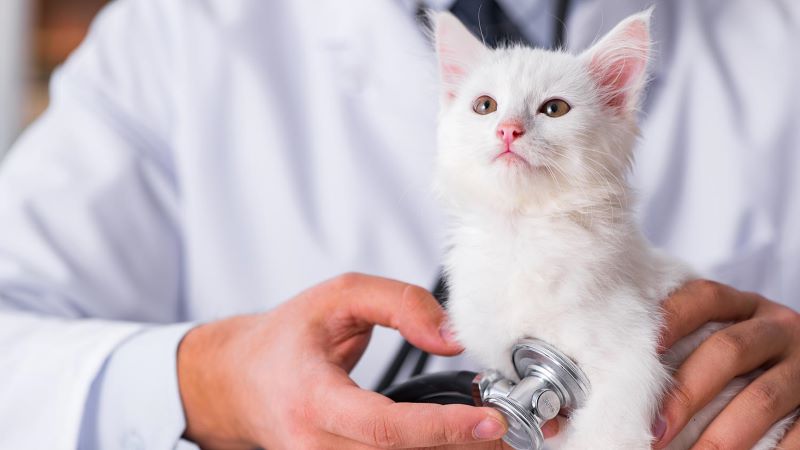
Sneezing in kittens can be normal, especially if it happens occasionally and is caused by minor irritants like dust or litter. However, persistent sneezing can signal an underlying issue, most often viral infections such as feline herpesvirus (FHV) or calicivirus (FCV), which are common in young kittens with developing immune systems. Bacterial infections like Mycoplasma or Chlamydia may also occur, often secondary to a virus. Allergens, irritants (like smoke or scented products), or foreign objects can cause sneezing too. Less commonly, structural issues like a cleft palate or even serious conditions like nasal tumors may be involved. If sneezing is ongoing, or if you notice nasal/eye discharge, lethargy, poor appetite, or bloody mucus, a vet visit is needed. Treatment may include home care like steam therapy, warm food, and nasal saline, but antibiotics or antivirals may be prescribed in more severe cases. Never give human decongestants, as they can be toxic. Prevention includes vaccinations (FVRCP), reducing stress, and minimizing allergens at home. Most mild cases resolve in 1–3 weeks with supportive care.
Lethargy in Cats
Lethargy in cats means a noticeable drop in energy, enthusiasm, and activity levels. Unlike a tired cat that naps but still plays and eats normally, a lethargic cat may sleep excessively, avoid play, hide, or skip meals. This behavior often signals illness, such as infections, kidney or liver disease, heart conditions, pain, dental issues, or even cancer. Stressful changes—like moving, a new pet, or losing a companion—can also cause lethargy. Cats instinctively hide illness, so by the time they show symptoms, it may be serious. If your cat is unusually withdrawn, weak, or inactive—especially if paired with appetite loss, vomiting, or other symptoms—contact your vet promptly. Diagnosis may require exams, bloodwork, or imaging. At home, provide a quiet space, fresh water, and enticing food. Knowing your cat’s normal behavior is key to spotting early signs of trouble.
My Cat Feels Cold to the Touch
Cats might feel cold to the touch for many reasons, and it’s not always something to worry about. Often, it’s simply environmental—maybe they’ve just come in from outside, been lying on a cool surface, or your hands are warmer than usual, making their fur feel colder by comparison. In these cases, your cat is likely behaving normally, eating, drinking, and moving around as usual, and they’ll warm up quickly once inside or in a cozy spot. However, if your cat feels cold and also shows signs of illness—like lethargy, weakness, not eating, or having cold extremities—it could point to something more serious. Conditions like hypothermia, shock, poor circulation, or dehydration can cause a drop in body temperature and require immediate veterinary care. Cats are good at hiding symptoms, so if they seem off, don’t wait too long to act. Gently warm them with blankets or pet-safe heating pads, and monitor their behavior closely. Knowing your cat’s normal habits and energy level is key to spotting when something’s wrong. A cold touch alone isn’t a cause for panic, but combined with abnormal behavior, it’s time to call your vet and get a proper check-up to rule out any underlying health issues.
My Cat’s Ears Are Warm
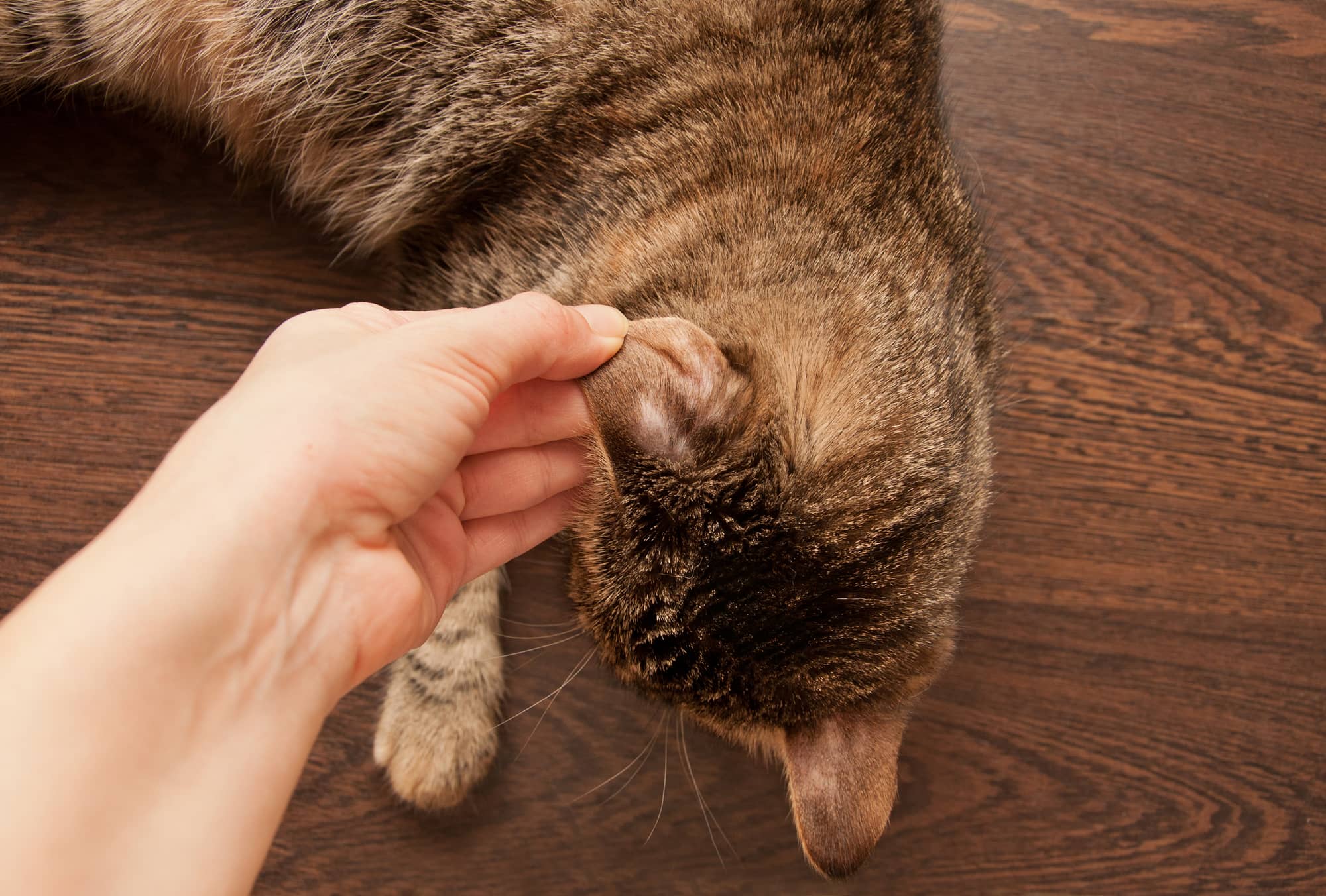
If you notice your cat’s ears feeling warm, it might be nothing to worry about—but it could also signal an underlying health issue. Warm ears can simply mean your cat has been lying in the sun, resting near a heat source, or that your hands are colder than usual. However, consistently warm ears, especially when paired with other symptoms, might point to a fever, heatstroke, or ear-related problems like infections or mites. A fever may come with signs like lethargy, loss of appetite, or other illness symptoms, while heatstroke often shows as panting, drooling, or collapse—requiring urgent veterinary attention. Infections or ear mites typically bring scratching, head shaking, and possibly discharge from the ear. If your cat is behaving normally and eating well, there’s probably no cause for concern. But if their behavior changes, they become lethargic, or their ears stay unusually warm, it’s best to contact a vet. A professional can accurately assess their temperature and diagnose any underlying issue. Don’t attempt home treatments unless guided by a vet, especially for ear problems, as improper handling can do more harm than good. Ultimately, knowing your cat’s normal behavior is the best way to catch signs of illness early.
Nasal Discharge
Nasal discharge in cats is extremely common, and most cats will experience it at some point in their lives. While it’s often caused by mild issues like allergies or viral infections that can resolve without treatment, sometimes it can signal a more serious problem. Nasal discharge can range from clear, watery mucus to thick pus or even blood, each indicating different underlying causes. The most frequent cause is upper respiratory tract infections, often viral, such as feline herpesvirus or calicivirus. These infections are contagious and many cats become lifelong carriers, showing symptoms mainly during stressful periods. Other causes include allergies, irritants like smoke or dust, foreign bodies lodged in the nasal passages, nasal polyps, tumors, and dental disease. Signs to watch for alongside discharge include sneezing, fever, lethargy, loss of appetite, and changes in the color or thickness of the mucus. If your cat’s nasal discharge is mild and they’re otherwise healthy, it might clear up on its own. However, if your cat shows additional symptoms, or the discharge persists beyond a few days, a vet visit is necessary. Treatment may involve supportive care such as keeping the nasal passages clear, using humidifiers or steam, encouraging eating and drinking, and in some cases, medications like antibiotics, antivirals, or anti-inflammatories depending on the diagnosis. Preventing nasal discharge largely involves keeping vaccinations up to date and minimizing stress and exposure to irritants at home. Regular veterinary checkups can help catch any underlying problems early and keep your cat comfortable.
Pale Gums
Pale gums in cats can signal serious health problems and should never be ignored. Healthy cat gums are typically a light pink color, moist, and well-supplied with blood. Pale or whitish gums often indicate anemia, which may result from blood loss, infections (like feline leukemia or immunodeficiency viruses), shock, heart disease, kidney disease, or internal bleeding. Other abnormal gum colors—blue/gray, red, yellow, or black—can signal oxygen deprivation, infections, jaundice, or normal pigmentation in some cats. Signs such as lethargy, breathing difficulties, and loss of appetite usually accompany pale gums and warrant immediate veterinary care. At the vet, tests like bloodwork, x-rays, or ultrasounds help diagnose the cause. Treatment depends on the underlying issue and may include blood transfusions, medications, surgery, or supportive care like fluids. Preventing pale gums involves keeping cats safe from trauma and heat stroke, regular veterinary check-ups, vaccinations, and minimizing outdoor risks. Since subtle changes in gum color can be hard to detect, any concern about your cat’s gum color should prompt prompt veterinary evaluation to ensure timely treatment.
Reasons Your Cat Is Pacing
Cats typically love to sleep up to 20 hours a day, so pacing or restlessness can indicate an underlying problem. Common reasons for pacing include boredom, stress, hormonal changes, pregnancy, and medical issues. Bored cats lacking stimulation may pace out of frustration, which can be eased with toys, playtime, and enrichment. Stress from environmental changes or anxiety can also cause pacing, and calming aids or veterinary advice may help. Unneutered cats may pace due to hormonal urges, while pregnant cats often pace and vocalize as they prepare to give birth. Medical causes like pain, hyperthyroidism, dementia, or neurological problems can also lead to pacing and require veterinary attention. Painful cats may be restless and avoid touch, while hyperthyroid cats become hyperactive and agitated. Older cats with cognitive dysfunction may pace due to confusion. If your cat suddenly starts pacing or shows behavior changes, it’s important to identify the cause so you can support their well-being. Prompt veterinary care is essential when medical issues are suspected. Understanding the reason behind pacing helps ensure your cat remains happy and healthy.
Regurgitation in Cats
While both can result in your cat bringing up food, regurgitation and vomiting are different processes. Vomiting is an active, often noisy process involving stomach contractions and signs of nausea. Regurgitation is passive, with undigested food coming up from the esophagus shortly after eating, usually quietly and without warning.
Common Causes of Regurgitation
Eating too fast: Cats eating quickly or competing for food may swallow air and regurgitate.
Esophagitis: Inflammation of the esophagus caused by acid, infections, or trauma, often with drooling and swallowing difficulty.
Motility disorders: Conditions like megaesophagus impair food movement down the esophagus.
Esophageal strictures: Narrowing of the esophagus often following anesthesia or injury.
Foreign objects: Items like bones or string lodged in the esophagus cause sudden symptoms requiring urgent removal.
Kittens: Frequent regurgitation may signal congenital problems and risks aspiration pneumonia.
When to See a Vet
If regurgitation is frequent, accompanied by symptoms like drooling, difficulty swallowing, weight loss, or lethargy, seek veterinary care promptly. Videos of the behavior can help diagnosis.
Diagnosis and Treatment
Veterinarians may use exams, x-rays, swallow studies, ultrasound, or endoscopy to identify the cause. Treatments range from dietary management and medications to surgical procedures.
At-Home Care Tips
Feed smaller, more frequent meals.
Use slow feeder bowls or elevated dishes.
Feed cats separately to reduce competition.
Gradually adjust diet to easier-to-digest options.
Understanding and managing the cause of regurgitation helps keep your cat comfortable and healthy.
Repetitive, Excessive and Compulsive Grooming
Cats spend a lot of time grooming themselves, often up to half of their waking hours. This is normal and helps them stay clean and comfortable. However, when a cat grooms excessively—licking, chewing, or pulling fur repeatedly—it may signal an underlying problem. Common causes include fleas, allergies, joint pain, or internal discomfort. Stress and anxiety can also lead to compulsive grooming, where the behavior becomes repetitive and hard to interrupt. This can cause hair loss, skin sores, and distress for your cat.
If you notice your cat grooming more than usual, focusing on one spot, or causing injury, it’s important to consult your veterinarian. They will check for medical issues and may suggest behavioral strategies or medication if anxiety is involved. Treatment often includes addressing physical causes, reducing stress through environmental changes, and sometimes prescribing anti-anxiety medications or calming aids like pheromones.
Preventing overgrooming involves keeping your cat flea-free, maintaining a clean and calm environment, and providing plenty of resources such as food, water, and quiet resting areas. Early intervention improves your cat’s comfort and quality of life, so don’t hesitate to seek help if you’re concerned about excessive grooming.
Reverse Sneezing
Reverse sneezing in cats is when nasal irritation causes them to rapidly suck air in through their noses, producing loud snorting or honking sounds. Unlike a regular sneeze that expels air, reverse sneezing pulls air inward. Episodes usually last a few seconds to a minute, with the cat standing still and behaving normally before and after. While it can be alarming, occasional reverse sneezing is typically harmless and part of a cat’s airway defense.
Common triggers include irritants like smoke, dust, aerosols, and scented products. Cats with allergies or flat-faced breeds (e.g., Persians) are more prone due to sensitive airways or anatomical differences. Excitement can also trigger episodes. However, reverse sneezing may sometimes indicate health issues such as infections, nasal polyps, dental disease, or foreign bodies.
If episodes become frequent, severe, or are accompanied by symptoms like nasal discharge, coughing, or breathing difficulties, it’s important to consult a veterinarian. Recording episodes helps with diagnosis. Treatment focuses on addressing underlying causes and reducing irritants in the environment. Most episodes don’t need treatment, but gentle throat massage or blowing air near the nose can help interrupt an episode.
To prevent reverse sneezing, keep your home free of smoke, dust, strong scents, and maintain good air quality for your cat’s comfort.
Seizures in Cats
Seizures can range from subtle twitching and disorientation to full-body convulsions with loss of consciousness. They can be triggered by epilepsy, toxins (like pesticides or certain plants), liver disease, or brain tumors. A single, short seizure may not be an emergency, but recurrent or prolonged episodes (status epilepticus) require urgent care. Keep your cat safe by removing nearby objects, turning off lights, and staying calm. Do not try to hold or restrain your cat during a seizure. Your vet will likely perform bloodwork, neurological exams, and imaging to identify the cause. Anti-seizure medication may be prescribed for long-term control.
Signs Your Cat May Be Sick
Cats often hide signs of illness because in the wild they are both predators and prey. This makes it harder to spot when they need help. Besides obvious signs like vomiting, here are some subtle clues your cat might be unwell. If your cat is hiding more than usual, it could be a sign of sickness. A visible third eyelid, especially when awake, is another warning. Cats that stop jumping or climbing may be in pain, often from arthritis. Changes in appetite are important—both eating much less or suddenly eating more can signal health issues like liver disease or diabetes. Unexpected weight loss is a serious sign, possibly from kidney disease, parasites, or other illnesses. Drinking and urinating excessively can indicate conditions like diabetes or kidney problems. Cats peeing or pooping outside the litter box often have underlying health or stress issues, not bad behavior. Poor grooming, resulting in greasy or matted fur, can point to pain or illness. Lastly, “funny faces” while eating may indicate dental pain. Recognizing these subtle signs and consulting your vet early can help your cat stay healthy and happy.
Skin Lumps and Bumps
What Are Skin Lumps in Cats?
Skin lumps are any unusual bumps or swellings on a cat’s skin, which should normally be smooth and flat. They are common, especially in older cats or certain breeds like Siamese.
Causes
Skin lumps can be benign (non-cancerous) tumors like cysts, lipomas, or warts, or malignant (cancerous) tumors such as mast cell tumors or squamous cell carcinoma. Other causes include abscesses from bites, parasites like ticks, hematomas (blood blisters), or inflammation from allergies.
Symptoms
Lumps may be soft or hard, hairless or haired, pink or pigmented, and sometimes itchy or ulcerated. They can appear anywhere on the body.
Diagnosis
Veterinarians start with a physical exam and history. Fine needle aspiration (FNA) collects cells for analysis, but sometimes a biopsy is needed for a definitive diagnosis. Blood and urine tests, specialized viral tests, and imaging like x-rays or ultrasounds may also be done.
Treatment
Treatment depends on the lump type. Benign lumps might just be monitored, while malignant tumors often require surgery and possibly chemotherapy or radiation. Abscesses need draining and antibiotics. Parasites and inflammation require appropriate treatment.
If you notice any lump on your cat, consult your vet promptly for diagnosis and care.
Stress in Cats
How to Tell if Your Cat Is Stressed & How to Help
Cats hide stress because they evolved as both predators and prey, making it risky to show weakness. While some stress is normal, chronic stress can cause behavior and health issues.
Signs of Stress:
Physically, stressed cats might have litterbox problems (like going outside or straining), overgroom causing bald patches, digestive issues (vomiting, diarrhea), weight changes, excessive sleeping, or twitchy skin. Behaviorally, they may spray urine, hide more or cling excessively, show aggression, vocalize loudly, act jumpy, or lose interest in play.
Common Causes:
Stress often stems from changes like moving, new furniture, new pets, or stray cats nearby. Other causes include dirty litterboxes, boredom, pain (like arthritis or dental issues), visitors, heavy scents, and insufficient resources.
How to Reduce Stress:
Keep a consistent routine and introduce changes gradually. Remove stress triggers when possible. Enrich your cat’s environment with climbing spaces, scratching posts, food puzzles, and playtime. Maintain clean litterboxes and provide enough resources (one litterbox per cat plus one extra). Avoid strong scents, ensure enough space, and provide proper socialization. Calming aids like pheromone sprays or anxiety meds can help. Work with your vet to keep your cat healthy and pain-free.
Sudden Blindness or Vision Problems
If your cat starts bumping into objects, has dilated pupils, or becomes unusually cautious in new environments, it may be experiencing vision loss. Causes include high blood pressure (often due to kidney disease or hyperthyroidism), retinal detachment, glaucoma, infections, or trauma. Sudden blindness is a medical emergency, especially if caused by hypertension, which can also affect other organs. A vet will check eye pressure, perform a fundic exam, and test blood pressure. Early diagnosis and treatment are crucial to preserving any remaining vision and addressing the root cause.
Swollen Limbs or Joints
Limping or visibly swollen legs and joints may result from trauma, arthritis, infections (like abscesses), or autoimmune diseases. Cats often hide pain well, so even subtle limping or reluctance to jump could be a warning sign. Check for heat, redness, or wounds. Don’t give human painkillers—many are toxic to cats. Instead, schedule a veterinary exam. X-rays or joint fluid analysis may be needed. Treatments range from anti-inflammatory medications and antibiotics to surgery, depending on the cause. Soft bedding, joint supplements, and weight management can help cats with chronic joint issues like arthritis.
Understand types of heavy breathing
Breathing difficulties in cats can be serious and often indicate stress or health problems. A cat’s normal resting breathing rate is between 16 and 30 breaths per minute. Signs of heavy breathing include labored breathing (dyspnea), rapid shallow breathing (tachypnea), and open-mouthed panting. Dyspnea shows as increased effort, noisy breaths, and possible bluish gums, while tachypnea is rapid but shallow breathing over 40 breaths per minute. Panting is less common in cats but may occur due to heat, stress, or medical issues.
Common causes include respiratory infections, heart disease, lung problems, stress, and heatstroke. Cats may also pant after exertion or when overheated. Because cats hide signs of illness well, heavy breathing should never be ignored. Immediate veterinary care is needed if a cat shows labored or open-mouth breathing, or breathes rapidly at rest.
Treatment depends on the underlying cause and may include oxygen therapy, medications, or addressing infections or heart issues. To prevent breathing problems, keep cats cool, reduce stress, and ensure regular vet check-ups. Early detection is key to managing breathing difficulties in cats effectively.
Visual Signs of a Stress
Stress affects cats much like it does humans, impacting their health and behavior. Stress is the body’s response to various stimuli, while distress refers to negative mental strain from unpleasant situations. Cats experience both acute (short-term) and chronic (long-term) distress, with chronic stress potentially causing serious problems.
Signs of stress can be subtle and include physical symptoms like vomiting, diarrhea, overgrooming, respiratory issues, and increased heart rate. Behaviorally, stressed cats may urinate inappropriately, hide, become aggressive, vocalize excessively, or show changes in appetite and activity.
Common causes of stress include moving homes, conflicts with other cats, changes in routine, poor human-cat interactions, and lack of resources such as litter boxes or hiding spots. Indoor cats especially need enriched environments with safe spaces, climbing areas, and interactive toys.
To reduce stress, create a stable routine, provide environmental enrichment, engage in regular play, use pheromone products, and handle your cat gently respecting their boundaries. Sometimes, supplements or veterinary-prescribed medications may be necessary.
Always consult your vet if you notice signs of stress in your cat to protect their wellbeing and maintain a strong, happy bond.
What Causes Tremors in Cats
If your cat is trembling, shaking, or twitching, it’s a serious sign that shouldn’t be ignored. While some mild shaking can happen during play, stalking, or deep sleep, persistent or uncontrollable tremors usually indicate an underlying health problem that requires urgent veterinary care.
Cat tremors can look like involuntary shaking, jerking, shivering, or twitching of the head or body. Causes range from vestibular disease and poisoning to epilepsy, brain tumors, low blood sugar, and infections. Even temperature extremes and nutritional imbalances can trigger tremors.
If your cat’s tremors last more than a few moments or don’t stop when distracted, take them to a vet immediately. The vet will perform a detailed history, physical and neurological exams, and run blood tests or imaging to find the root cause.
Treatment depends on the diagnosis—such as providing glucose for low blood sugar, fluids for kidney issues, or detoxification for poisoning. Monitoring your cat closely and following your vet’s advice is essential for recovery.
At home, keep your cat warm, comfortable, and ensure they’ve eaten, but never delay veterinary care if you notice trembling or shaking. Early intervention is key to helping your cat stay healthy and safe.
Why does my cat spray urine?
Urine spraying is a natural behavior cats use to mark their territory with scent. Cats create a “scent map” of their environment using different smells.
They usually rub their cheeks in the core areas where they feel safe and comfortable. However, they use urine spraying to mark spots where they feel threatened or uneasy. This acts as a warning for themselves to be cautious in that part of their territory. When the scent fades, they spray again to refresh the mark.
Why Doesn’t My Cat Meow
Not all cats meow a lot—some are naturally quiet, which is perfectly normal. Cats communicate in many ways, like purring, chirping, or body language. If your cat has always been quiet but seems healthy and happy, there’s usually no reason to worry.
However, if your cat suddenly stops meowing or their voice changes, it could signal a health issue. Causes include stress, upper respiratory infections (like cat flu), inflammation or damage to the voice box (larynx), or, less commonly, tumors. Other illnesses such as kidney disease or thyroid problems can also make a cat quieter.
If your cat is showing other signs like sneezing, discharge from eyes or nose, loss of appetite, lethargy, or weight loss, it’s important to visit a veterinarian. Stress can also cause silence, so check for changes at home, like new pets or visitors, and try to reduce anxiety with extra resources and calming aids like pheromone diffusers.
In short, a quiet cat can be normal, but sudden silence or changes in meowing need veterinary attention to rule out illness and ensure your cat stays healthy.
Why Is My Cat Drinking a Lot
Most cat owners watch their pets’ appetite and behavior to monitor health, but tracking daily water intake is an easy and useful way to spot early problems. Often, excessive drinking—called polydipsia—goes unnoticed until it becomes severe, with cats frequently needing fresh water.
Increased thirst often pairs with increased urination (polyuria), together known as PUPD. This usually signals an internal health issue that needs veterinary attention.
Common causes of increased thirst include feeding dry food, kidney disease, diabetes, hormonal disorders (like hyperthyroidism or Cushing’s), urinary tract infections, liver problems, certain medications, and electrolyte imbalances.
If you notice your cat drinking more, a vet will take a detailed history, perform a physical exam, and may run urine and blood tests, plus imaging like x-rays or ultrasounds to identify the cause.
A good way to catch changes early is to measure how much water your cat drinks daily by noting how often and how much you refill their bowl.
If your cat suddenly drinks more water than usual, it’s important to visit the vet for a thorough checkup to diagnose and treat any underlying conditions.
What to do if my cat is hurt
If your cat gets injured, staying calm is very important. First, check your cat carefully to see how serious the injury is. Look for bleeding, broken bones, difficulty breathing, or if your cat is unconscious.
If your cat is bleeding, try to stop it by gently applying pressure with a clean cloth or bandage. Avoid using anything too tight. If there is a broken bone or a deep wound, try to keep your cat still and avoid moving them too much, as this can cause more pain or damage.
Call your veterinarian immediately to explain the situation and get advice. If the injury is serious, take your cat to the vet right away or to an emergency animal hospital.
If your cat is in pain, do not give any human medicine. Many medications that are safe for people can be dangerous to cats.
Keep your cat warm and quiet during transport to the vet. Bring a towel or blanket to gently wrap them if needed.
Always handle your injured cat carefully, as even the gentlest cats may scratch or bite when scared or hurt.
Quick action and proper care can make a big difference in your cat’s recovery.